Notice: تابع WP_Block_Type_Registry::register به طورنادرست فراخوانی شد. نامهای نوع بلوک نباید حروف بزرگ داشته باشند. لطفاً برای اطلاعات بیشتر، اشکال زدایی در وردپرس را مشاهده کنید. (این پیام در نگارش 5.0.0 افزوده شده است.) in /home/ethicsho/public_html/wp-includes/functions.php on line 5313
Warning: Use of undefined constant TDC_PATH_LEGACY - assumed 'TDC_PATH_LEGACY' (this will throw an Error in a future version of PHP) in /home/ethicsho/public_html/wp-content/plugins/td-composer/td-composer.php on line 109
Warning: Use of undefined constant TDSP_THEME_PATH - assumed 'TDSP_THEME_PATH' (this will throw an Error in a future version of PHP) in /home/ethicsho/public_html/wp-content/plugins/td-composer/td-composer.php on line 113 بایگانیهای Mit Pr - خانه اخلاق پژوهان جوان Notice: Trying to access array offset on value of type bool in /home/ethicsho/public_html/wp-content/plugins/wp-ulike/inc/general-functions.php on line 807
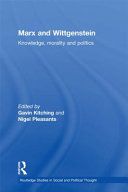
At first sight, Karl Marx and Ludwig Wittgenstein may well seem to be as different from each other as it is possible for the ideas of two major intellectuals to be. Despite this standard conception, however, a small number of scholars have long suggested that there are deeper philosophical commonalities between Marx and Wittgenstein. They have argued that, once grasped, these commonalities can radically change and enrich understanding both of Marxism and of Wittgensteinian philosophy. This book develops and extends this unorthodox view, emphasizing the mutual enrichment that comes from bringing Marx’s and Wittgenstein’s ideas into dialogue with one another.
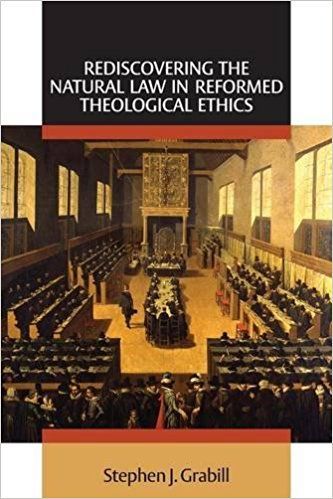
Is knowledge of right and wrong written on the human heart? Do people know God from the world around them? Does natural knowledge contribute to Christian doctrine? While these questions of natural theology and natural law have historically been part of theological reflection, twentieth-century Protestant theologians’ radical reliance on revelation has eclipsed this historic connection. Stephen Grabill attempts the treacherous task of reintegration of Reformed Protestant theology with natural law by appealing to reformation era theologians such as John Calvin, Peter Martyr Vermigli, Johannes Althusius, and Francis Turretin who carried over and refined the traditional understanding of this key doctrine. In Rediscovering the Natural Law in Reformed Theological Ethics Stephen Grabill calls Christian ethicists, theologians and laypersons to take another look at this vital element in the history of Christian ethical thought.
In academic and non-academic debates the practice of human rights enforcement is usually reduced to the intentions, interests and capabilities of agents – particularly the United States and other Western states. Whether seen as a policy adopted to promote national interest or an imperialist device used by the West, the practice of human rights enforcement is discussed in isolation from the structure of the late-modern Global Political Economy. This book develops a structural approach to post-Cold war military humanitarianism and demonstrates the nature of reciprocal causal relations between the global capitalist economy and the practice of human rights enforcement. It provides an historical analysis of the notion of individual rights and their relationship with capitalism and demonstrates that today the actors engaged in human rights enforcement – whether for selfish or humanitarian reasons – unintentionally provide global capital with a Gramscian quality of moral leadership thereby contributing to its hegemony.
ما از اخلاق چه انتظاری داریم؟ این سوال شاید تاحدودی برای عموم مردم و یا متخصصان این رشته قابل پاسخ باشد؛ اینکه خوب بودن را به ما بیاموزد و در تنظیم روابط فردی م...

جشن کتاب تهران به ایستگاه سی و یکم رسیده است. حال و احوال نشر کتاب خوب نیست و باید فرهنگدوستان را به خرید و هدیه دادن کتاب ترغیب نمود. خانه اخلاقپژوهان جوان ب...

بنیاد کتابهای اخلاق اسلامی عمدتا پالایش جان از آلودگیها و آراستن آن به زیباییها است. اندیشه محوری این قبیل کتابها آن است که انسان فعلی آنی نیست که باید باشد...

-
0 Comments