Notice: تابع WP_Block_Type_Registry::register به طورنادرست فراخوانی شد. نامهای نوع بلوک نباید حروف بزرگ داشته باشند. لطفاً برای اطلاعات بیشتر، اشکال زدایی در وردپرس را مشاهده کنید. (این پیام در نگارش 5.0.0 افزوده شده است.) in /home/ethicsho/public_html/wp-includes/functions.php on line 5313
Warning: Use of undefined constant TDC_PATH_LEGACY - assumed 'TDC_PATH_LEGACY' (this will throw an Error in a future version of PHP) in /home/ethicsho/public_html/wp-content/plugins/td-composer/td-composer.php on line 109
Warning: Use of undefined constant TDSP_THEME_PATH - assumed 'TDSP_THEME_PATH' (this will throw an Error in a future version of PHP) in /home/ethicsho/public_html/wp-content/plugins/td-composer/td-composer.php on line 113 بایگانیهای Z5873 .B48 1990 - خانه اخلاق پژوهان جوان Notice: Trying to access array offset on value of type bool in /home/ethicsho/public_html/wp-content/plugins/wp-ulike/inc/general-functions.php on line 807
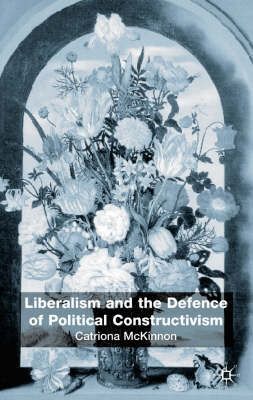
Liberal political justification is often accused of preaching to the converted: the values of such justification, it is claimed, are acceptable as values only to those already convinced by arguments in the secular, humanist Enlightenment tradition of political justification. This is the most taxing problem facing contemporary liberal theories of political justification. Catriona McKinnon suggests an interpretation of the ‘political constructivism’ approach to this problem offered by John Rawls. This interpretation argues that by placing the value of self-respect and its social conditions at the heart of the political constructivist approach to liberal justification, such justification can deliver on its promise to show why liberal principles of toleration and public reason are acceptable even to non-liberal people. A self-respect based constructivist approach to contemporary liberal justification restores to the liberal tradition the radical potential which it has always historically possessed.
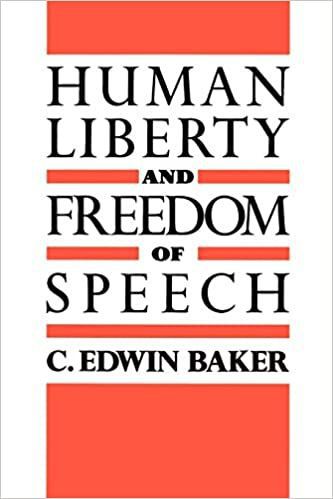
Although an inchoate liberty theory of freedom of speech has deep roots in Supreme Court decisions and political history, it has been overshadowed in judicial decisions and scholarly commentary by the marketplace of ideas theory. In this book, Baker critiques the assumptions required by the marketplace of ideas theory and develops the liberty theory, showing its philosophical soundness, persuasiveness, and ability to protect free speech. He argues that First Amendment liberty rights (as well as Fourteenth Amendment equality rights) required by political or moral theory are central to the possibility of progressive change. Problem areas are examined, including the question of whether individual political and civil rights can in principle be distinguished from property rights, freedom of the press, and the use of public spaces for expressive purposes.
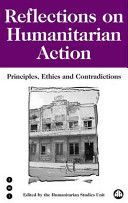
Humanitarian action has become a subject for serious debate in light of recent conflicts across the globe. The debacle in Somalia, the policy of intervention in Bosnia, and domestic conflicts in the West over intervention in Kosovo have given rise to many complex questions surrounding humanitarian action. The contributors to this volume provide a systematic overview of the issues involved from a wide range of viewpoints.The book examines the central problems of humanitarian action: the judicial question and the right to humanitarian assistance; the ethical framework of humanitarian action; the challenge of coordination of all the actors involved in humanitarian action; the recipients in the aid chain; the link between aid, development and emergency action; the role of the media; and a practical evaluation of Operation Lifeline Sudan.
ما از اخلاق چه انتظاری داریم؟ این سوال شاید تاحدودی برای عموم مردم و یا متخصصان این رشته قابل پاسخ باشد؛ اینکه خوب بودن را به ما بیاموزد و در تنظیم روابط فردی م...

جشن کتاب تهران به ایستگاه سی و یکم رسیده است. حال و احوال نشر کتاب خوب نیست و باید فرهنگدوستان را به خرید و هدیه دادن کتاب ترغیب نمود. خانه اخلاقپژوهان جوان ب...

بنیاد کتابهای اخلاق اسلامی عمدتا پالایش جان از آلودگیها و آراستن آن به زیباییها است. اندیشه محوری این قبیل کتابها آن است که انسان فعلی آنی نیست که باید باشد...

-
0 Comments