Notice: تابع WP_Block_Type_Registry::register به طورنادرست فراخوانی شد. نامهای نوع بلوک نباید حروف بزرگ داشته باشند. لطفاً برای اطلاعات بیشتر، اشکال زدایی در وردپرس را مشاهده کنید. (این پیام در نگارش 5.0.0 افزوده شده است.) in /home/ethicsho/public_html/wp-includes/functions.php on line 5313
Warning: Use of undefined constant TDC_PATH_LEGACY - assumed 'TDC_PATH_LEGACY' (this will throw an Error in a future version of PHP) in /home/ethicsho/public_html/wp-content/plugins/td-composer/td-composer.php on line 109
Warning: Use of undefined constant TDSP_THEME_PATH - assumed 'TDSP_THEME_PATH' (this will throw an Error in a future version of PHP) in /home/ethicsho/public_html/wp-content/plugins/td-composer/td-composer.php on line 113 بایگانیهای QH588.S83 .M37 2007 - خانه اخلاق پژوهان جوان Notice: Trying to access array offset on value of type bool in /home/ethicsho/public_html/wp-content/plugins/wp-ulike/inc/general-functions.php on line 807
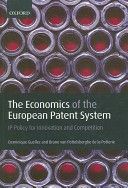
Why does society allow, or even encourage, private appropriation of inventions? When do patents encourage competition, when do they hamper it? How should society design the compromise between the interest of the inventor and the interest of the users of patented inventions? How should the patent system adapt to new technological areas? These questions and many more are addressed by the authors in this groundbreaking analysis of the economics behind the European patent system. Beginning with the history and principles of the patent system, the book then examines the economic effects of patenting on innovation and the diffusion of technology and growth. Throughout the book the theory and the reality are discussed alongside real world examples and comparison between the European, USA, and Japanese patent systems.
Conceived originally as a serious presentation of the development of philosophy for Catholic seminary students, Frederick Copleston’s nine-volumeA History Of Philosophyhas journeyed far beyond the modest purpose of its author to universal acclaim as the best history of philosophy in English. Copleston, an Oxford Jesuit of immense erudition who once tangled with A.J. Ayer in a fabled debate about the exiatenceof God and the possibility of metaphysics, knew that seminary students were fed a woefully inadequate diet of theses and proofs, and that their familiarity with most of history’s great thinkers was reduced to simplistic caricatures. Copelston sets out to redress the wrong by writing a complete history of Western philosophy, one crackling with incident and intellectual excitement – and one that gives full place to each thinker, presenting his thought in a beautifully rounded manner and showing his links to those who went before and to those who came after them.
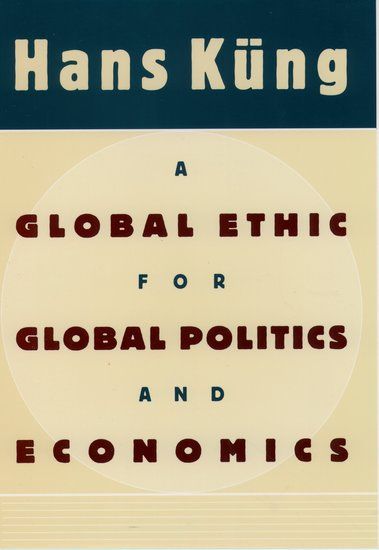
As the twentieth century draws to a close and the rush to globalization gathers momentum, political and economic considerations are crowding out vital ethical questions about the shape of our future. Now, Hans Kung, one of the world’s preeminent Christian theologians, explores these issues in a visionary and cautionary look at the coming global society. How can the new world order of the twenty first century avoid the horrors of the twentieth? Will nations form a real community or continue to aggressively pursue their own interests? Will the Machiavellian approaches of the past prevail over idealism and a more humanitarian politics? What role can religion play in a world increasingly dominated by transnational corporations? Kung tackles these and many other questions with the insight and moral authority that comes from a lifetime’s devotion to the search for justice and human dignity. Arguing against both an amoral realpolitik and an immoral resurgence of laissez faire economics, Kung defines a comprehensive ethic founded on the bedrock of mutual respect and humane treatment of all beings that would encompass the ecological, legal, technological, and social patterns that are reshaping civilization. If we are going to have a global economy, a global technology, a global media, Kung argues, we must also have a global ethic to which all nations, and peoples of the most varied backgrounds and beliefs, can commit themselves. “The world,” he says, “is not going to be held together by the Internet.” For anyone concerned about the world we are creating, A Global Ethic for Global Politics and Economics offers equal measures of informed analysis, compassionate foresight, and wise counsel.
ما از اخلاق چه انتظاری داریم؟ این سوال شاید تاحدودی برای عموم مردم و یا متخصصان این رشته قابل پاسخ باشد؛ اینکه خوب بودن را به ما بیاموزد و در تنظیم روابط فردی م...

جشن کتاب تهران به ایستگاه سی و یکم رسیده است. حال و احوال نشر کتاب خوب نیست و باید فرهنگدوستان را به خرید و هدیه دادن کتاب ترغیب نمود. خانه اخلاقپژوهان جوان ب...

بنیاد کتابهای اخلاق اسلامی عمدتا پالایش جان از آلودگیها و آراستن آن به زیباییها است. اندیشه محوری این قبیل کتابها آن است که انسان فعلی آنی نیست که باید باشد...

-
0 Comments