Notice: تابع WP_Block_Type_Registry::register به طورنادرست فراخوانی شد. نامهای نوع بلوک نباید حروف بزرگ داشته باشند. لطفاً برای اطلاعات بیشتر، اشکال زدایی در وردپرس را مشاهده کنید. (این پیام در نگارش 5.0.0 افزوده شده است.) in /home/ethicsho/public_html/wp-includes/functions.php on line 5313
Warning: Use of undefined constant TDC_PATH_LEGACY - assumed 'TDC_PATH_LEGACY' (this will throw an Error in a future version of PHP) in /home/ethicsho/public_html/wp-content/plugins/td-composer/td-composer.php on line 109
Warning: Use of undefined constant TDSP_THEME_PATH - assumed 'TDSP_THEME_PATH' (this will throw an Error in a future version of PHP) in /home/ethicsho/public_html/wp-content/plugins/td-composer/td-composer.php on line 113 بایگانیهای QH438.7 .S25 2007 - خانه اخلاق پژوهان جوان Notice: Trying to access array offset on value of type bool in /home/ethicsho/public_html/wp-content/plugins/wp-ulike/inc/general-functions.php on line 807
Genocide in Rwanda, multiple murder in Denver or Dunblane, the gruesome activities of serial killers–what makes these great evils, and why do they occur? In addressing such questions this book interconnects contemporary moral philosophy with recent work in New Testament scholarship. The conclusions to emerge are surprising. Gordon Graham argues that the inability of modernist thought to account satisfactorily for evil and its occurrence should not lead us to embrace an eclectic postmodernism, but to take seriously some unfashionable premodern conceptions–Satan, demonic possession, spiritual powers, cosmic battles. The book makes a powerful case for the rejection of humanism and naturalism, and for explaining the moral obligation to struggle against evil by reference to the New Testament’s cosmic narrative.
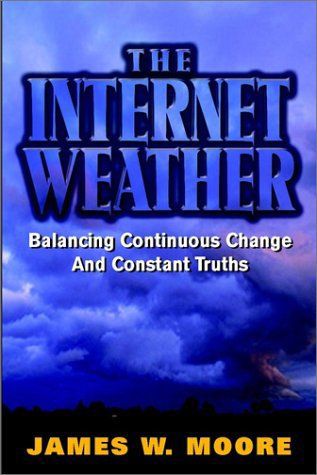
What will work be like in the future? Futurists often try to answer this question by looking at the effects of the Internet and technology, examining how they have changed our personal and professional lives. In The Internet Weather, instead of studying all the changes occurring in our world, James Moore looks at all the things that will stay the same. Technology may lead us to more rapid communication, more voluminous information, and a world without the privacy we’ve come to expect, but it will also force us to think in new ways about old values. Most likely, argues Moore, we will not abandon age-old ideals for new ones, but reorganize human society around the same old ideals we’ve always held, accommodating and incorporating new technologies into new ways of living under the same, long-held beliefs. Whatever happens in the fast-paced world of e-commerce and life lived online, we will never have more than twenty-four hours in a day. We will always value our privacy and seek trustworthiness and truth from the people with whom we do business. Understanding this can help managers make positive change in the way they manage and, in so doing, retain employees and improve their businesses. Based on his theory of these four vital elements–time, trust, truth, and privacy–Moore predicts that corporations will reorganize themselves according to the doctrine of “principled agility”; anonymity will become the ultimate luxury good; alter ego roles will become significant career choices. Our human values will not change, but our behaviors to enhance these values will change dramatically. Unless we learn that essential lesson now, our businesses and our personal lives will suffer sooner or later. The Internet Weather questions common assumptions about the New Economy and takes an often contrary–but always compelling–point of view about not only the ways in which techno-logy will change our lives, but also the ways in which it will improve our lives. With insights gleaned from more than twenty-five years of business experience, Moore offers advice for helping managers and employees focus their energy and attention on those issues that will be most important in the near future. Insightful, well-reasoned, and visionary, this is a book that no business leader should be without–if they want to prepare for the continuous change and constant truths of the future.
ما از اخلاق چه انتظاری داریم؟ این سوال شاید تاحدودی برای عموم مردم و یا متخصصان این رشته قابل پاسخ باشد؛ اینکه خوب بودن را به ما بیاموزد و در تنظیم روابط فردی م...

جشن کتاب تهران به ایستگاه سی و یکم رسیده است. حال و احوال نشر کتاب خوب نیست و باید فرهنگدوستان را به خرید و هدیه دادن کتاب ترغیب نمود. خانه اخلاقپژوهان جوان ب...

بنیاد کتابهای اخلاق اسلامی عمدتا پالایش جان از آلودگیها و آراستن آن به زیباییها است. اندیشه محوری این قبیل کتابها آن است که انسان فعلی آنی نیست که باید باشد...

-
0 Comments