Notice: تابع WP_Block_Type_Registry::register به طورنادرست فراخوانی شد. نامهای نوع بلوک نباید حروف بزرگ داشته باشند. لطفاً برای اطلاعات بیشتر، اشکال زدایی در وردپرس را مشاهده کنید. (این پیام در نگارش 5.0.0 افزوده شده است.) in /home/ethicsho/public_html/wp-includes/functions.php on line 5313
Warning: Use of undefined constant TDC_PATH_LEGACY - assumed 'TDC_PATH_LEGACY' (this will throw an Error in a future version of PHP) in /home/ethicsho/public_html/wp-content/plugins/td-composer/td-composer.php on line 109
Warning: Use of undefined constant TDSP_THEME_PATH - assumed 'TDSP_THEME_PATH' (this will throw an Error in a future version of PHP) in /home/ethicsho/public_html/wp-content/plugins/td-composer/td-composer.php on line 113 بایگانیهای LC375 .B85 1999 - خانه اخلاق پژوهان جوان Notice: Trying to access array offset on value of type bool in /home/ethicsho/public_html/wp-content/plugins/wp-ulike/inc/general-functions.php on line 807
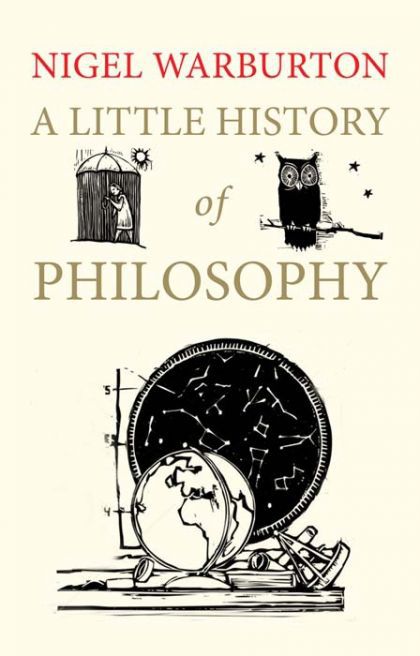
Philosophy begins with questions about the nature of reality and how we should live. These were the concerns of Socrates, who spent his days in the ancient Athenian marketplace asking awkward questions, disconcerting the people he met by showing them how little they genuinely understood. This engaging book introduces the great thinkers in Western philosophy and explores their most compelling ideas about the world and how best to live in it.In forty brief chapters, Nigel Warburton guides us on a chronological tour of the major ideas in the history of philosophy. He provides interesting and often quirky stories of the lives and deaths of thought-provoking philosophers from Socrates, who chose to die by hemlock poisoning rather than live on without the freedom to think for himself, to Peter Singer, who asks the disquieting philosophical and ethical questions that haunt our own times.Warburton not only makes philosophy accessible, he offers inspiration to think, argue, reason, and ask in the tradition of Socrates. A Little History of Philosophy presents the grand sweep of humanity’s search for philosophical understanding and invites all to join in the discussion.
The Oxford Textbook of Clinical Research Ethics is the first systematic and comprehensive reference on clinical research ethics. Under the editorship of experts from the National Institute of Health of the United States, the book’s 73 chapters offer a wide-ranging and systematic examination of all aspects of research with human beings. Considering historical triumphs of research as well as tragedies, the textbook provides a framework for analyzing the ethical aspects of research studies with human beings. Through both conceptual analysis and systematic reviews of empirical data, the textbook examines issues ranging from scientific validity, fair subject selection, risk benefit ration, independent review, and informed consent as well as focused consideration of international research ethics, conflicts of interests and other aspects of responsible conduct of research. The editors of The Oxford Textbook of Clinical Research Ethics offer a work that critically assesses and advances scholarship in the field of human subjects research with human beings. Comprehensive in scope and research, this book will be a crucial resource for researchers in the medical sciences, as well as teachers and students alike.
Normative reasons are reasons to do and believe things. Intellectual inquiry seems to presuppose their existence, for we cannot justifiably conclude that we exist; that there is an external world; and that there are better and worse ways of investigating it and behaving in it, unless there are reasons to do and believe such things. But just what in the world are normative reasons? In this book a case will be made for believing normative reasons are favouring relations that have a single, external source, filling this significant gap in the literature in an area within contemporary philosophy that has quickly grown in prominence. Providing a divine command metanormative analysis of normative reasons on entirely non-religious grounds, its arguments will be relevant to both secular and non-secular audiences alike and will address key issues in meta-ethics, evolutionary theory – especially evolutionary debunking threats to moral reasons and the normative more generally – and epistemology. .
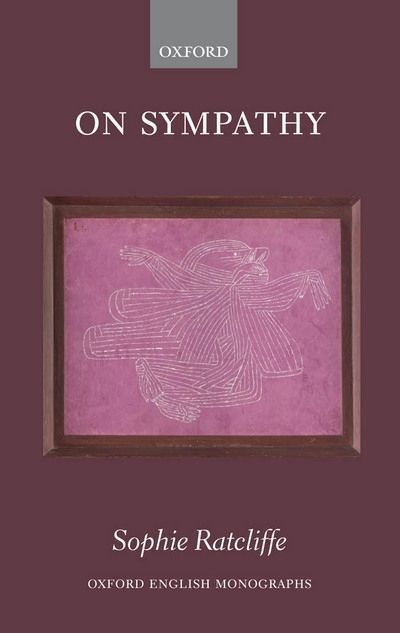
What happens when we engage with fictional characters? How do our imaginative engagements bear on our actions in the wider world? Moving between the literary and the philosophical, Sophie Ratcliffe onsiders the ways in which readers feel when they read, and how they understand ideas of feeling. On Sympathy uses dramatic monologues based on The Tempest as its focus, and broaches questions about fictional belief, morality, and the dynamics between readers, writers, and fictional characters. The book challenges conventionally accepted ideas of literary identification and sympathy, and asks why the idea of sympathy has been seen as so important to liberal humanist theories of literary value. Individual chapters on Robert Browning, W. H. Auden, and Samuel Beckett, who all drew on Shakespeare’s late play, offer new readings of some major works, while the book’s epilogue tackles questions of contemporary sympathy. Ranging from the nineteenth century to the present day, this important new study sets out to clarify and challenge current assumptions about reading and sympathetic belief, shedding new light on the idea and ideal of sympathy, the workings of affect and allusion, and the ethics of reading.
ما از اخلاق چه انتظاری داریم؟ این سوال شاید تاحدودی برای عموم مردم و یا متخصصان این رشته قابل پاسخ باشد؛ اینکه خوب بودن را به ما بیاموزد و در تنظیم روابط فردی م...

جشن کتاب تهران به ایستگاه سی و یکم رسیده است. حال و احوال نشر کتاب خوب نیست و باید فرهنگدوستان را به خرید و هدیه دادن کتاب ترغیب نمود. خانه اخلاقپژوهان جوان ب...

بنیاد کتابهای اخلاق اسلامی عمدتا پالایش جان از آلودگیها و آراستن آن به زیباییها است. اندیشه محوری این قبیل کتابها آن است که انسان فعلی آنی نیست که باید باشد...

-
0 Comments