Notice: تابع WP_Block_Type_Registry::register به طورنادرست فراخوانی شد. نامهای نوع بلوک نباید حروف بزرگ داشته باشند. لطفاً برای اطلاعات بیشتر، اشکال زدایی در وردپرس را مشاهده کنید. (این پیام در نگارش 5.0.0 افزوده شده است.) in /home/ethicsho/public_html/wp-includes/functions.php on line 5313
Warning: Use of undefined constant TDC_PATH_LEGACY - assumed 'TDC_PATH_LEGACY' (this will throw an Error in a future version of PHP) in /home/ethicsho/public_html/wp-content/plugins/td-composer/td-composer.php on line 109
Warning: Use of undefined constant TDSP_THEME_PATH - assumed 'TDSP_THEME_PATH' (this will throw an Error in a future version of PHP) in /home/ethicsho/public_html/wp-content/plugins/td-composer/td-composer.php on line 113 بایگانیهای CB361 .I62 2006 - خانه اخلاق پژوهان جوان Notice: Trying to access array offset on value of type bool in /home/ethicsho/public_html/wp-content/plugins/wp-ulike/inc/general-functions.php on line 807
This book is a profound and creative treatise on modernity and its challenge to social science. Alan Wolfe argues that modern liberal democracies, such as the U.S. and Scandinavia, have broken with traditional sources of morality and instead have relied upon economic and political frameworks to define their obligations to one another. Wolfe calls for reinvigorating a sense of community and thus an sense of obligation to the larger society.
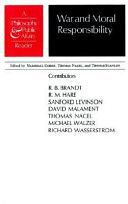
This remarkably rich collection of articles focuses on moral questions about war. The essays, originally published inPhilosophy & Public Affairs, cover a wide range of topics from several points of view by writers from the fields of political science, philosophy, and law. The discussion of war and moral responsibility falls into three general categories: problems of political and military choice, problems about the relation of an individual to the actions of his government, and more abstract ethical questions as well.The first category includes questions about the ethical and legal aspects of war crimes and the laws of war; about the source of moral restrictions on military methods or goals; and about differences in suitability of conduct which may depend on differences in the nature of the opponent. The second category includes questions about the conditions for responsibility of individual soldiers and civilian officials for war crimes, and about the proper attitude of a government toward potential conscripts who reject its military policies. The third category includes disputes between absolutist, deontological, and utilitarian ethical theories, and deals with questions about the existence of insoluble moral dilemmas
There is now a renewed concern for moral psychology among moral philosophers. Moreover, contemporary philosophers interested in virtue, moral responsibility and moral progress regularly refer to Plato and Aristotle, the two founding fathers of ancient ethics. The book contains eleven chapters by distinguished scholars which showcase current research in Greek ethics. Four deal with Plato, focusing on the Protagoras, Euthydemus, Symposium and Republic, and discussing matters of literary presentation alongside the philosophical content. The four chapters on Aristotle address problems such as the doctrine of the mean, the status of rules, equity and the tension between altruism and egoism in Aristotelian eudaimonism. A contrast to classical Greek ethics is presented by two chapters reconstructing Epicurus’ views on the emotions and moral responsibility as well as on moral development. The final chapter on personal identity in Empedocles shows that the concern for moral progress is already palpable in Presocratic philosophy.
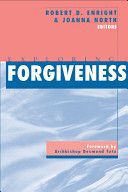
Pioneers in the study of forgiveness, Robert Enright and Joanna North have compiled a collection of twelve essays ranging from a first-person account of the mother of a murdered child to an assessment of the United States’ post-war reconciliations with Germany and Vietnam. This book explores forgiveness in interpersonal relationships, family relationships, the individual and society relationship, and international relations through the eyes of philosophers and educators as well as a psychologist, police chief-turned-minister, law professor, sociologist, psychiatrist, social worker, and theologian.
ما از اخلاق چه انتظاری داریم؟ این سوال شاید تاحدودی برای عموم مردم و یا متخصصان این رشته قابل پاسخ باشد؛ اینکه خوب بودن را به ما بیاموزد و در تنظیم روابط فردی م...

جشن کتاب تهران به ایستگاه سی و یکم رسیده است. حال و احوال نشر کتاب خوب نیست و باید فرهنگدوستان را به خرید و هدیه دادن کتاب ترغیب نمود. خانه اخلاقپژوهان جوان ب...

بنیاد کتابهای اخلاق اسلامی عمدتا پالایش جان از آلودگیها و آراستن آن به زیباییها است. اندیشه محوری این قبیل کتابها آن است که انسان فعلی آنی نیست که باید باشد...

-
0 Comments