Notice: تابع WP_Block_Type_Registry::register به طورنادرست فراخوانی شد. نامهای نوع بلوک نباید حروف بزرگ داشته باشند. لطفاً برای اطلاعات بیشتر، اشکال زدایی در وردپرس را مشاهده کنید. (این پیام در نگارش 5.0.0 افزوده شده است.) in /home/ethicsho/public_html/wp-includes/functions.php on line 5313
Warning: Use of undefined constant TDC_PATH_LEGACY - assumed 'TDC_PATH_LEGACY' (this will throw an Error in a future version of PHP) in /home/ethicsho/public_html/wp-content/plugins/td-composer/td-composer.php on line 109
Warning: Use of undefined constant TDSP_THEME_PATH - assumed 'TDSP_THEME_PATH' (this will throw an Error in a future version of PHP) in /home/ethicsho/public_html/wp-content/plugins/td-composer/td-composer.php on line 113 بایگانیهای BP188 .B56 2005 - خانه اخلاق پژوهان جوان Notice: Trying to access array offset on value of type bool in /home/ethicsho/public_html/wp-content/plugins/wp-ulike/inc/general-functions.php on line 807
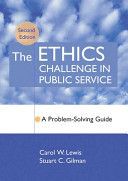
Since it was first published in 1991, The Ethics Challenge in Public Service has become a classic text used by public managers and in public management programs across the country. This second edition is filled with practical tools and techniques for making ethical choices in the ambiguous, pressured world of public service. It explores the day-to-day ethical dilemmas managers face in their work, including what to do when rules recommend one action and compassion another, and whether it is ethical to dissent from agency policy. This essential text explores managers’ accountability to different stakeholders and how to balance the often competing responsibilities.
Written by a leading proponent of the philosophy and ethics of healthcare, this volume, filled with thought-provoking and frequently controversial ideas and arguments provides readers with a contribution to the literature on medical ethics.
It is hard to overestimate the importance of the work of Augustine of Hippo, both in his own period and in the subsequent history of Western philosophy. Until the thirteenth century, when he may have had a competitor in Thomas Aquinas, he was the most important philosopher of the medieval period. Many of his views, including his theory of the just war, his account of time and eternity, his understanding of the will, his attempted resolution of the problem of evil, and his approach to the relation of faith and reason, have continued to be influential up to the present time. In this volume of specially-commissioned essays, sixteen scholars provide a wide-ranging and stimulating contribution to our understanding of Augustine, covering all the major areas of his philosophy and theology.
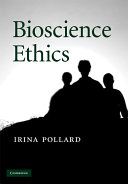
Bioscience ethics facilitates free and accurate information transfer from applied science to applied bioethics. Its major elements are: increased understanding of biological systems, responsible use of technology, and attuning ethnocentric debates to new scientific insights. Pioneered by Irina Pollard in 1994, bioscience ethics has become an internationally recognized discipline, interfacing science and bioethics within professional perspectives such as medical, legal, bio-engineering, and economics. Written for students and professionals alike, the fundamental feature of this book is its breadth, important because bioscience ethics interweaves many diverse subjects in the process of gathering specialist scientific knowledge for bioethical review. It contains chapters which embrace topics affecting human reproduction, end-of-life care and euthanasia, challenge human-dominated ecosystems, and review population growth, economic activity and warfare. A background section describes the evolution of ethical consciousness, explores the future, and proposes that the reworking of ethical boundaries can enhance mature decision-making in harmony with changing technology.
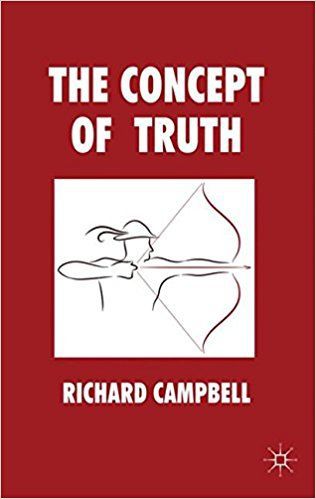
“This book addresses the contemporary disillusion with truth, manifest in sceptical relativism. Contending that all contemporary theories of truth are too narrow, it argues for a novel conception of truth, by showing how error is implicated in the actions of all living things; and by analyzing uses of ‘true’ in non-linguistic contexts”–
ما از اخلاق چه انتظاری داریم؟ این سوال شاید تاحدودی برای عموم مردم و یا متخصصان این رشته قابل پاسخ باشد؛ اینکه خوب بودن را به ما بیاموزد و در تنظیم روابط فردی م...

جشن کتاب تهران به ایستگاه سی و یکم رسیده است. حال و احوال نشر کتاب خوب نیست و باید فرهنگدوستان را به خرید و هدیه دادن کتاب ترغیب نمود. خانه اخلاقپژوهان جوان ب...

بنیاد کتابهای اخلاق اسلامی عمدتا پالایش جان از آلودگیها و آراستن آن به زیباییها است. اندیشه محوری این قبیل کتابها آن است که انسان فعلی آنی نیست که باید باشد...

-
0 Comments