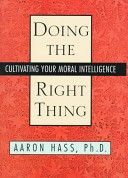
A psychologist and frequent television guest shows readers how to shore up their sense of right and wrong and communicate it to their children, outlining four universal moral principles and many real-life scenarios where right thinking is required.
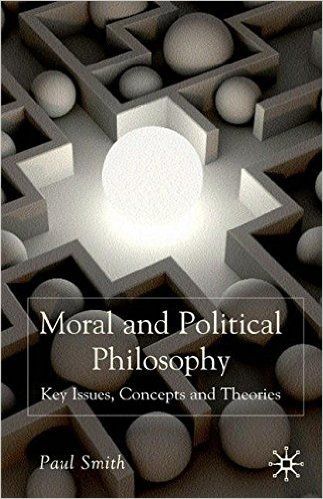
Paul Smith’s clear and concise introduction provides a comprehensive and incisive examination of key concepts and theories in moral and political philosophy. With a clear focus on the essentials of each topic, he presupposes no prior knowledge and relates moral philosophy to social and political issues. Chapters can be read independently, but are interconnected, enabling students to develop a coherent understanding of the subject, including: – the controversial and topical practical issues of drug laws, justifications of punishment, civil disobedience and whether there is a duty to obey the law, and global poverty. – key concepts in moral and political theory: liberty, reasons for laws that limit liberty (harm to others, offence, harm to self, and harmless wrongdoing), rights, equality and social justice. – critical evaluation of moral and political theories: moral relativism, utilitarianism, Kantian moral philosophy, and Rawls’s theory of justice, together with libertarian and egalitarian criticisms of Rawls.
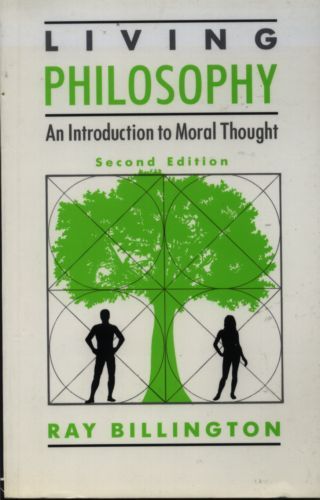
Living Philosophy: An introduction to moral thought, Third edition is a thoroughly revised and updated version of its highly successful and popular predecessor. Incorporating several brand new case studies and discussion pcints, the book introduces central questions in ethical theory to the student and assumes no previous knowledge of philosophy. Book jacket.
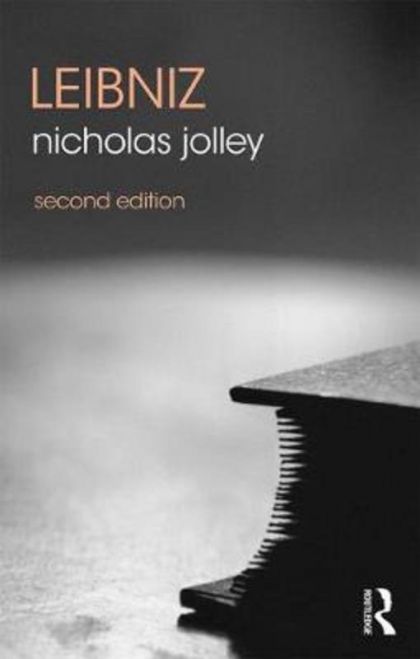
Gottfried Wilhelm Leibniz (1646-1716) was hailed by Bertrand Russell as ‘one of the supreme intellects of all time’. A towering figure in seventeenth-century philosophy, his complex thought has been championed and satirized in equal measure, most famously in Voltaire’s Candide. In this outstanding introduction to his philosophy, Nicholas Jolley introduces and assesses the whole of Leibniz’s philosophy. Beginning with an introduction to Leibniz’s life and work, he carefully introduces the core elements of Leibniz’s metaphysics: his theories of substance, identity and individuation; monads and space and time; and his important debate over the nature of space and time with Newton’s champion, Samuel Clarke. He then introduces Leibniz’s theories of mind, knowledge, and innate ideas, showing how Leibniz anticipated the distinction between conscious and unconscious states, before examining his theory of free will and the problem of evil. An important feature of the book is its introduction to Leibniz’s moral and political philosophy, an overlooked aspect of his work. The final chapter assesses legacy and the impact of his philosophy on philosophy as a whole, particularly on the work of Immanuel Kant. Throughout, Nicholas Jolley places Leibniz in relation to some of the other great philosophers, such as Descartes, Spinoza and Locke, and discusses Leibniz’s key works, such as the Monadology and Discourse on Metaphysics.
Russell Hardin presents a new explication of David Hume’s moral and political theory. With Hume, he holds that our normative views can be scientifically explained but they cannot be justified as true. Hume argued for the psychological basis of such views. In particular, he argued for sympathy as the mirroring of the psychological sensations and emotions of others. By placing Hume in the developing tradition of social science, as a strong forerunner of his younger friend Adam Smith, Hardin demonstrates Hume’s strong strategic sense, his nascent utilitarianism, his powerful theory of convention as a main source of social and political order, and his recognition of moral and political theory as a single enterprise.
ما از اخلاق چه انتظاری داریم؟ این سوال شاید تاحدودی برای عموم مردم و یا متخصصان این رشته قابل پاسخ باشد؛ اینکه خوب بودن را به ما بیاموزد و در تنظیم روابط فردی م...

جشن کتاب تهران به ایستگاه سی و یکم رسیده است. حال و احوال نشر کتاب خوب نیست و باید فرهنگدوستان را به خرید و هدیه دادن کتاب ترغیب نمود. خانه اخلاقپژوهان جوان ب...

بنیاد کتابهای اخلاق اسلامی عمدتا پالایش جان از آلودگیها و آراستن آن به زیباییها است. اندیشه محوری این قبیل کتابها آن است که انسان فعلی آنی نیست که باید باشد...

-
0 Comments