Notice: تابع WP_Block_Type_Registry::register به طورنادرست فراخوانی شد. نامهای نوع بلوک نباید حروف بزرگ داشته باشند. لطفاً برای اطلاعات بیشتر، اشکال زدایی در وردپرس را مشاهده کنید. (این پیام در نگارش 5.0.0 افزوده شده است.) in /home/ethicsho/public_html/wp-includes/functions.php on line 5313
Warning: Use of undefined constant TDC_PATH_LEGACY - assumed 'TDC_PATH_LEGACY' (this will throw an Error in a future version of PHP) in /home/ethicsho/public_html/wp-content/plugins/td-composer/td-composer.php on line 109
Warning: Use of undefined constant TDSP_THEME_PATH - assumed 'TDSP_THEME_PATH' (this will throw an Error in a future version of PHP) in /home/ethicsho/public_html/wp-content/plugins/td-composer/td-composer.php on line 113 بایگانیهای BJ46 .N87 1990 - خانه اخلاق پژوهان جوان Notice: Trying to access array offset on value of type bool in /home/ethicsho/public_html/wp-content/plugins/wp-ulike/inc/general-functions.php on line 807
The vast amount of suffering in the world is often held as a particularly powerful reason to deny that God exists. Now, one of the world’s most distinguished philosophers of religion presents his own position on the problem of evil. Highly accessible and sensitively argued, Peter van Inwagen’s book argues that such reasoning does not hold: his conclusion is not that God exists, but that suffering cannot be shown to prove that He does not.
Human Rights and the Ethics of Globalization provides a balanced, thoughtful discussion of the globalization of the economy and the ethical considerations inherent in the many changes it has prompted. Considering philosophical ideals about ethical globalization in the context of four specific case studies, the book provides a comprehensive discussion of how to enforce global compliance with basic human rights standards in a global economy.
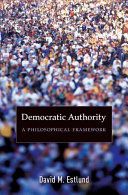
Democracy is not naturally plausible. Why turn such important matters over to masses of people who have no expertise? Many theories of democracy answer by appealing to the intrinsic value of democratic procedure, leaving aside whether it makes good decisions. In Democratic Authority, David Estlund offers a groundbreaking alternative based on the idea that democratic authority and legitimacy must depend partly on democracy’s tendency to make good decisions. Just as with verdicts in jury trials, Estlund argues, the authority and legitimacy of a political decision does not depend on the particular decision being good or correct. But the “epistemic value” of the procedure–the degree to which it can generally be accepted as tending toward a good decision–is nevertheless crucial. Yet if good decisions were all that mattered, one might wonder why those who know best shouldn’t simply rule. Estlund’s theory–which he calls “epistemic proceduralism”–avoids epistocracy, or the rule of those who know. He argues that while some few people probably do know best, this can be used in political justification only if their expertise is acceptable from all reasonable points of view. If we seek the best epistemic arrangement in this respect, it will be recognizably democratic–with laws and policies actually authorized by the people subject to them.
Biotechnology and the Challenge of Property addresses the question of how the advancement of property law is capable of controlling the interests generated by the engineering of human tissues. Through a comparative consideration of non-Western societies and industrialized cultures, this book addresses the impact of modern biotechnology, and its legal accommodation on the customary conduct and traditional beliefs which shape the lives of different communities. As such, it provides an introduction to the legal regulation of the evolving uses of human tissues, and its implications for traditional knowledge, beliefs and cultures.
ما از اخلاق چه انتظاری داریم؟ این سوال شاید تاحدودی برای عموم مردم و یا متخصصان این رشته قابل پاسخ باشد؛ اینکه خوب بودن را به ما بیاموزد و در تنظیم روابط فردی م...

جشن کتاب تهران به ایستگاه سی و یکم رسیده است. حال و احوال نشر کتاب خوب نیست و باید فرهنگدوستان را به خرید و هدیه دادن کتاب ترغیب نمود. خانه اخلاقپژوهان جوان ب...

بنیاد کتابهای اخلاق اسلامی عمدتا پالایش جان از آلودگیها و آراستن آن به زیباییها است. اندیشه محوری این قبیل کتابها آن است که انسان فعلی آنی نیست که باید باشد...

-
0 Comments