Notice: تابع WP_Block_Type_Registry::register به طورنادرست فراخوانی شد. نامهای نوع بلوک نباید حروف بزرگ داشته باشند. لطفاً برای اطلاعات بیشتر، اشکال زدایی در وردپرس را مشاهده کنید. (این پیام در نگارش 5.0.0 افزوده شده است.) in /home/ethicsho/public_html/wp-includes/functions.php on line 5313
Warning: Use of undefined constant TDC_PATH_LEGACY - assumed 'TDC_PATH_LEGACY' (this will throw an Error in a future version of PHP) in /home/ethicsho/public_html/wp-content/plugins/td-composer/td-composer.php on line 109
Warning: Use of undefined constant TDSP_THEME_PATH - assumed 'TDSP_THEME_PATH' (this will throw an Error in a future version of PHP) in /home/ethicsho/public_html/wp-content/plugins/td-composer/td-composer.php on line 113 بایگانیهای BJ1249 .H79 2004 - خانه اخلاق پژوهان جوان Notice: Trying to access array offset on value of type bool in /home/ethicsho/public_html/wp-content/plugins/wp-ulike/inc/general-functions.php on line 807
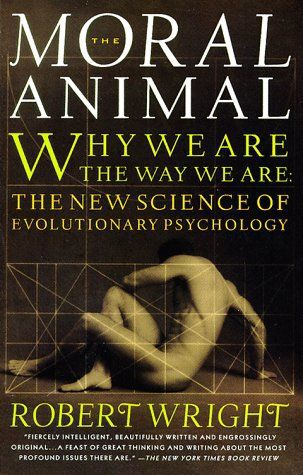
Are men literally born to cheat? Does monogamy actually serve women’s interests? These are among the questions that have made The Moral Animal one of the most provocative science books in recent years. Wright unveils the genetic strategies behind everything from our sexual preferences to our office politics–as well as their implications for our moral codes and public policies. Illustrations.
Moral philosophy has long been dominated by the aim of understanding morality and the virtues in terms of principles. However, the underlying assumption that this is the best approach has received almost no defence, and has been attacked by particularists, who argue that the traditional link between morality and principles is little more than an unwarranted prejudice. In Principled Ethics, Michael Ridge and Sean McKeever meet the particularist challenge head-on, and defend a distinctive view they call “generalism as a regulative ideal.”
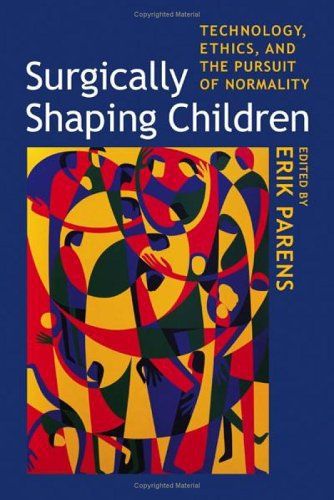
At a time when medical technologies make it ever easier to enhance our minds and bodies, a debate has arisen about whether such efforts promote a process of “normalization,” which makes it ever harder to tolerate the natural anatomical differences among us. The debate becomes especially complicated when it addresses the surgical alteration, or “shaping,” of children. This volume explores the ethical and social issues raised by the recent proliferation of surgeries designed to make children born with physical differences look more normal.Using three cases — surgeries to eliminate craniofacial abnormalities such as cleft lip and palate, surgeries to correct ambiguous genitalia, and surgeries to lengthen the limbs of children born with dwarfism — the contributors consider the tensions parents experience when making such life-altering decisions on behalf of or with their children.The essays in this volume offer in-depth examinations of the significance and limits of surgical alteration through personal narratives, theoretical reflections, and concrete suggestions about how to improve the decision-making process. Written from the perspectives of affected children and their parents, health care providers, and leading scholars in philosophy, sociology, history, law, and medicine, this collection provides an integrated and comprehensive foundation from which to consider a complex and controversial issue. It takes the reader on a journey from reflections on the particulars of current medical practices to reflections on one of the deepest and most complex of human desires: the desire for normality.ContributorsPriscilla Alderson, Adrienne Asch, Cassandra Aspinall, Alice Domurat Dreger, James C. Edwards, Todd C. Edwards, Ellen K. Feder, Arthur W. Frank, Lisa Abelow Hedley, Eva Fedder Kittay, Hilde Lindemann, Jeffery L. Marsh, Paul Steven Miller, Sherri G. Morris, Wendy E. Mouradian, Donald L. Patrick, Nichola Rumsey, Emily Sullivan Sanford, Tari D. Topolski
ما از اخلاق چه انتظاری داریم؟ این سوال شاید تاحدودی برای عموم مردم و یا متخصصان این رشته قابل پاسخ باشد؛ اینکه خوب بودن را به ما بیاموزد و در تنظیم روابط فردی م...

جشن کتاب تهران به ایستگاه سی و یکم رسیده است. حال و احوال نشر کتاب خوب نیست و باید فرهنگدوستان را به خرید و هدیه دادن کتاب ترغیب نمود. خانه اخلاقپژوهان جوان ب...

بنیاد کتابهای اخلاق اسلامی عمدتا پالایش جان از آلودگیها و آراستن آن به زیباییها است. اندیشه محوری این قبیل کتابها آن است که انسان فعلی آنی نیست که باید باشد...

-
0 Comments