Notice: تابع WP_Block_Type_Registry::register به طورنادرست فراخوانی شد. نامهای نوع بلوک نباید حروف بزرگ داشته باشند. لطفاً برای اطلاعات بیشتر، اشکال زدایی در وردپرس را مشاهده کنید. (این پیام در نگارش 5.0.0 افزوده شده است.) in /home/ethicsho/public_html/wp-includes/functions.php on line 5313
Warning: Use of undefined constant TDC_PATH_LEGACY - assumed 'TDC_PATH_LEGACY' (this will throw an Error in a future version of PHP) in /home/ethicsho/public_html/wp-content/plugins/td-composer/td-composer.php on line 109
Warning: Use of undefined constant TDSP_THEME_PATH - assumed 'TDSP_THEME_PATH' (this will throw an Error in a future version of PHP) in /home/ethicsho/public_html/wp-content/plugins/td-composer/td-composer.php on line 113 بایگانیهای BF698.35.O57 .P38 2010 - خانه اخلاق پژوهان جوان Notice: Trying to access array offset on value of type bool in /home/ethicsho/public_html/wp-content/plugins/wp-ulike/inc/general-functions.php on line 807
The Oxford Handbook of Ethical Theory is a major new reference work in ethical theory consisting of commissioned essays by leading moral philosophers. Ethical theories have always been of central importance to philosophy, and remain so; ethical theory is one of the most active areas of philosophical research and teaching today. Courses in ethics are taught in colleges and universities at all levels, and ethical theory is the organizing principle for all of them. The Handbook is divided into two parts, mirroring the field. The first part treats meta-ethical theory, which deals with theoretical questions about morality and moral judgment, including questions about moral language, the epistemology of moral belief, the truth aptness of moral claims, and so forth. The second part addresses normative theory, which deals with general moral issues, including the plausibility of various ethical theories and abstract principles of behavior. Examples of such theories are consequentialism and virtue theory. As with other Oxford Handbooks, the twenty-five contributors cover the field in a comprehensive and highly accessible way, while achieving three goals: exposition of central ideas, criticism of other approaches, and putting forth a distinct viewpoint.
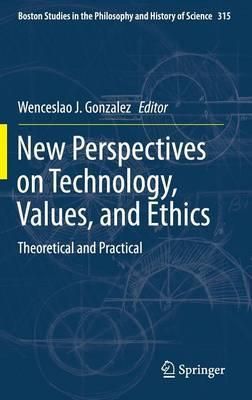
This book focuses on a key issue today: the role of values in technology, with special emphasis on ethical values. This topic involves the analysis of internal values in technology (as they affect objectives, processes, and outcomes) and the study of external values in technology (social, cultural, economic, ecological, etc.). These values — internal and external — are crucial to the decision making of engineers. In addition, they have increasing relevance for citizens concerned with the present and future state of technology, which gives society a leading position in technological issues. The book follows three main lines of research: 1) new perspectives on technology, values, and ethics; 2) rationality and responsibility in technology; and 3) technology and risks. This volume analyzes the two main sides involved here: the theoretical basis for the role of values in technology and a practical discussion on how to implement them in our society. Thus, the book is of interest for philosophers, engineers, academics of different fields, and policy-makers. The style used lends itself to broad audience.
ما از اخلاق چه انتظاری داریم؟ این سوال شاید تاحدودی برای عموم مردم و یا متخصصان این رشته قابل پاسخ باشد؛ اینکه خوب بودن را به ما بیاموزد و در تنظیم روابط فردی م...

جشن کتاب تهران به ایستگاه سی و یکم رسیده است. حال و احوال نشر کتاب خوب نیست و باید فرهنگدوستان را به خرید و هدیه دادن کتاب ترغیب نمود. خانه اخلاقپژوهان جوان ب...

بنیاد کتابهای اخلاق اسلامی عمدتا پالایش جان از آلودگیها و آراستن آن به زیباییها است. اندیشه محوری این قبیل کتابها آن است که انسان فعلی آنی نیست که باید باشد...

-
0 Comments