Notice: تابع WP_Block_Type_Registry::register به طورنادرست فراخوانی شد. نامهای نوع بلوک نباید حروف بزرگ داشته باشند. لطفاً برای اطلاعات بیشتر، اشکال زدایی در وردپرس را مشاهده کنید. (این پیام در نگارش 5.0.0 افزوده شده است.) in /home/ethicsho/public_html/wp-includes/functions.php on line 5313
Warning: Use of undefined constant TDC_PATH_LEGACY - assumed 'TDC_PATH_LEGACY' (this will throw an Error in a future version of PHP) in /home/ethicsho/public_html/wp-content/plugins/td-composer/td-composer.php on line 109
Warning: Use of undefined constant TDSP_THEME_PATH - assumed 'TDSP_THEME_PATH' (this will throw an Error in a future version of PHP) in /home/ethicsho/public_html/wp-content/plugins/td-composer/td-composer.php on line 113 بایگانیهای BD161 .H6116 2006 - خانه اخلاق پژوهان جوان Notice: Trying to access array offset on value of type bool in /home/ethicsho/public_html/wp-content/plugins/wp-ulike/inc/general-functions.php on line 807
Over the past decade, researchers from different academic disciplines have paid increasing attention to the productivity of online environments. The ethical underpinnings of research in such settings, however, remain contested and often controversial. As traditional debates have been reignited by the need to respond to the particular characteristics of technologically-mediated environments, researchers have entered anew key debates regarding the moral, legal and regulative aspects of research ethics. A growing trend in this work has been towards the promotion of localized and contextualized research ethics – the suggestion that the decisions we make should be informed by the nature of the environments we study and the habits/expectations of participants within them. Despite such moves, the relationship between the empirical, theoretical and methodological aspects of Internet research ethics remains underexplored. Drawing from ongoing sociological research into the practices of media cultures online, this book provides a timely and distinctive response to this need.This book explores the relationship between the production of ethical stances in two different contexts: the ethical manoeuvring of participants within online media-fan communities and the ethical decision-making of the author as Internet researcher, manoeuvring, as it were, in the academic community. In doing so, the book outlines a reflexive framework for exploring research ethics at different levels of analysis; the empirical settings of research; the theoretical perspectives which inform the researcher’s objectification of the research settings; and the methodological issues and practical decisions that constitute the activity as research. The analysis of these different levels develops a way of thinking about ethical practice in terms of stabilizing and destabilizing moves within and between research and researched communities. The analysis emphasizes the continuities and discontinuities between both research practice and online media-fan activity, and social activity in on and offline environments.
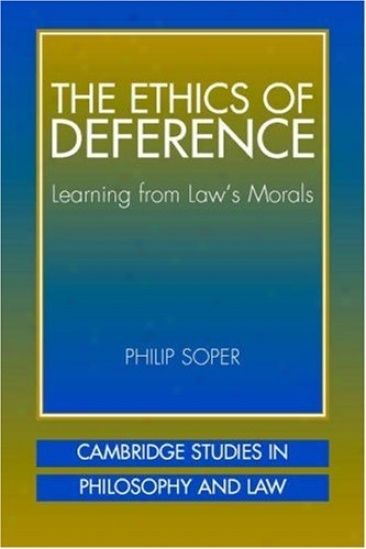
Do citizens have an obligation to obey the law? This book differs from standard approaches by shifting from the language of obedience (orders) to that of deference (normative judgments). The popular view that law claims authority but does not have it is here reversed on both counts: Law does not claim authority but has it. Though the focus is on political obligation, the author approaches that issue indirectly by first developing a more general account of when deference is due to the view of others. Two standard practices that political theorists often consider in exploring the question of political obligation – fair-play and promise-keeping – can themselves be seen as examples of a duty of deference. In this respect the book defends a more general theory of ethics whose scope extends beyond the question of political obligation to questions of duty in the case of law, promises, fair play and friendship.
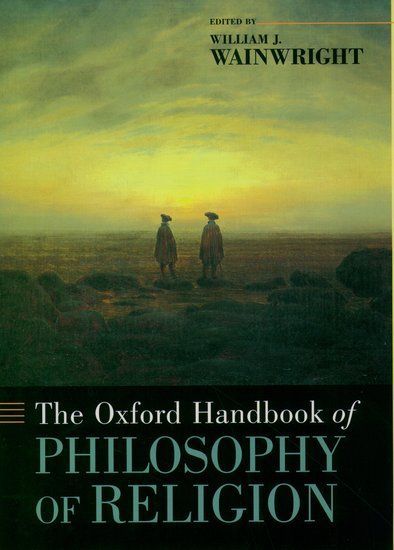
The philosophy of religion as a distinct discipline is an innovation of the last two hundred years, but its central topics–the existence and nature of the divine, humankind’s relation to it, the nature of religion and its place in human life–have been with us since the inception ofphilosophy. Philosophers have long critically examined the truth of (and rational justification for) religious claims, and have explored such philosophically interesting phenomena as faith, religious experience and the distinctive features of religious discourse. The second half of thetwentieth-century has been an especially fruitful period, with philosophers using new developments in logic and epistemology to mount both sophisticated defenses of, and attacks on, religious claims. The Oxford Handbook of Philosophy of Religion contains newly commissioned chapters by 21 prominent experts who cover the field in a comprehensive but accessible manner. Each chapter is expository, critical, and representative of a distinctive viewpoint. The Handbook is divided into two sections.The first, “Problems,” covers the most frequently discussed topics, among them arguments for God’s existence, the problem of evil, and religious epistemology. The second is called “Approaches” and contains four essays assessing the advantages and disadvantages of different methods of practicingphilosophy of religion. The Handbook offers contributors of high stature who present substantive and in-depth treatment of the most central topics. It is a must-have reference for anyone with an interest in philosophy and religion.
John Rawls was one of the most important political philosophers of our time, and promises to be an enduring figure over the coming decades. His Theory of Justice (1971) has had a profound impact across philosophy, politics, law, and economics. Nonetheless Rawlsian theory is not easy to understand, particularly for beginners, and his writing can be dense and forbidding. Thomas Pogge’s short introduction (originally published in German) gives a thorough and concise presentation of the main outlines of Rawls’s theory, introduces biographical information when necessary, and draws links between the Rawlsian enterprise and other important positions in moral and political philosophy.
ما از اخلاق چه انتظاری داریم؟ این سوال شاید تاحدودی برای عموم مردم و یا متخصصان این رشته قابل پاسخ باشد؛ اینکه خوب بودن را به ما بیاموزد و در تنظیم روابط فردی م...

جشن کتاب تهران به ایستگاه سی و یکم رسیده است. حال و احوال نشر کتاب خوب نیست و باید فرهنگدوستان را به خرید و هدیه دادن کتاب ترغیب نمود. خانه اخلاقپژوهان جوان ب...

بنیاد کتابهای اخلاق اسلامی عمدتا پالایش جان از آلودگیها و آراستن آن به زیباییها است. اندیشه محوری این قبیل کتابها آن است که انسان فعلی آنی نیست که باید باشد...

-
0 Comments