Notice: تابع WP_Block_Type_Registry::register به طورنادرست فراخوانی شد. نامهای نوع بلوک نباید حروف بزرگ داشته باشند. لطفاً برای اطلاعات بیشتر، اشکال زدایی در وردپرس را مشاهده کنید. (این پیام در نگارش 5.0.0 افزوده شده است.) in /home/ethicsho/public_html/wp-includes/functions.php on line 5313
Warning: Use of undefined constant TDC_PATH_LEGACY - assumed 'TDC_PATH_LEGACY' (this will throw an Error in a future version of PHP) in /home/ethicsho/public_html/wp-content/plugins/td-composer/td-composer.php on line 109
Warning: Use of undefined constant TDSP_THEME_PATH - assumed 'TDSP_THEME_PATH' (this will throw an Error in a future version of PHP) in /home/ethicsho/public_html/wp-content/plugins/td-composer/td-composer.php on line 113 بایگانیهای B815 .G65 2002 - خانه اخلاق پژوهان جوان Notice: Trying to access array offset on value of type bool in /home/ethicsho/public_html/wp-content/plugins/wp-ulike/inc/general-functions.php on line 807
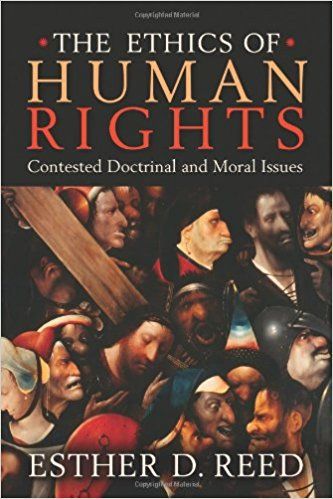
“The concept of autonomy is one of Kant’s central legacies for contemporary moral thought. We often invoke autonomy as both a moral ideal and a human right, especially a right to determine oneself independently of foreign determinants; indeed, to violate a person’s autonomy is considered to be a serious moral offence. Yet while contemporary philosophy claims Kant as the originator of its notion of autonomy, Kant’s own conception of the term seems to differ in important respects from our present-day interpretation. Kant on Moral Autonomy brings together a distinguished group of scholars who explore the following questions: what is Kant’s conception of autonomy? What is its history and its influence on contemporary conceptions? And what is its moral significance? Their essays will be of interest both to scholars and students working on Kantian moral philosophy and to anyone interested in the subject of autonomy”–
Wide-ranging and ambitious, Justice combines moral philosophy and Christian ethics to develop an important theory of rights and of justice as grounded in rights. Nicholas Wolterstorff discusses what it is to have a right, and he locates rights in the respect due the worth of the rights-holder. After contending that socially-conferred rights require the existence of natural rights, he argues that no secular account of natural human rights is successful; he offers instead a theistic account. Wolterstorff prefaces his systematic account of justice as grounded in rights with an exploration of the common claim that rights-talk is inherently individualistic and possessive. He demonstrates that the idea of natural rights originated neither in the Enlightenment nor in the individualistic philosophy of the late Middle Ages, but was already employed by the canon lawyers of the twelfth century. He traces our intuitions about rights and justice back even further, to Hebrew and Christian scriptures. After extensively discussing justice in the Old Testament and the New, he goes on to show why ancient Greek and Roman philosophy could not serve as a framework for a theory of rights. Connecting rights and wrongs to God’s relationship with humankind, Justice not only offers a rich and compelling philosophical account of justice, but also makes an important contribution to overcoming the present-day divide between religious discourse and human rights.
ما از اخلاق چه انتظاری داریم؟ این سوال شاید تاحدودی برای عموم مردم و یا متخصصان این رشته قابل پاسخ باشد؛ اینکه خوب بودن را به ما بیاموزد و در تنظیم روابط فردی م...

جشن کتاب تهران به ایستگاه سی و یکم رسیده است. حال و احوال نشر کتاب خوب نیست و باید فرهنگدوستان را به خرید و هدیه دادن کتاب ترغیب نمود. خانه اخلاقپژوهان جوان ب...

بنیاد کتابهای اخلاق اسلامی عمدتا پالایش جان از آلودگیها و آراستن آن به زیباییها است. اندیشه محوری این قبیل کتابها آن است که انسان فعلی آنی نیست که باید باشد...

-
0 Comments