Notice: تابع WP_Block_Type_Registry::register به طورنادرست فراخوانی شد. نامهای نوع بلوک نباید حروف بزرگ داشته باشند. لطفاً برای اطلاعات بیشتر، اشکال زدایی در وردپرس را مشاهده کنید. (این پیام در نگارش 5.0.0 افزوده شده است.) in /home/ethicsho/public_html/wp-includes/functions.php on line 5313
Warning: Use of undefined constant TDC_PATH_LEGACY - assumed 'TDC_PATH_LEGACY' (this will throw an Error in a future version of PHP) in /home/ethicsho/public_html/wp-content/plugins/td-composer/td-composer.php on line 109
Warning: Use of undefined constant TDSP_THEME_PATH - assumed 'TDSP_THEME_PATH' (this will throw an Error in a future version of PHP) in /home/ethicsho/public_html/wp-content/plugins/td-composer/td-composer.php on line 113 بایگانیهای B2799.L49 .A48 2000 - خانه اخلاق پژوهان جوان Notice: Trying to access array offset on value of type bool in /home/ethicsho/public_html/wp-content/plugins/wp-ulike/inc/general-functions.php on line 807
The Soul of Classical American Philosophy is an introduction to the thought of William James, Josiah Royce, and Charles Sanders Peirce, particularly in terms of the ethical and the spiritual. Writing for the nonspecialist in a straightforward style, Richard P. Mullin brings together the central ideas of these three key figures of classical American Pragmatism and explores their engagement with issues of truth, the meaning of self, free will, moral values, community, scientific thinking, and the relationship with the transcendent. He also addresses the growing international interest in American philosophy and sheds light on a defining movement in its history. Book jacket.
Environmental health decision making can be a complex undertaking, as there is the need to navigate and find balance among three core elements: science, policy, and the needs of the American public. Policy makers often grapple with how to make appropriate decisions when the research is uncertain. The challenge for the policy maker is to make the right decision with the best available data in a transparent process. The workshop, summarized in this volume, included an overview of the principles underlying decision making, the role of evidence and challenges for vulnerable populations, and ethical issues of conflict of interest, scientific integrity, and transparency. The workshop engaged science interest groups, industry, government, and the academic sector.
Mark Graber looks at the history of abortion law in action to argue that the only defensible, constitutional approach to the issue is to afford all women equal choice – abortion should remain legal or bans should be strictly enforced. Steering away from metaphysical critiques of privacy, Graber compares the philosophical, constitutional, and democratic merits of the two systems of abortion regulation witnessed in the twentieth-century: pre-Roe v. Wade statutory prohibitions on abortion and Roe’s ban on significant state interference with the market for safe abortion services. He demonstrates that before Roe, pro-life measures were selectively and erratically administered, thereby subverting our constitutional commitment to equal justice. Claiming that these measures would be similarly administered if reinstated, the author seeks to increase support for keeping abortion legal, even among those who have reservations about its morality. Abortion should remain legal, Graber argues, because statutory bans on abortion have a history of being enforced in ways that intentionally discriminate against poor persons and persons of color. In the years before Roe, the same law enforcement officials who routinely ignored and sometimes assisted those physicians seeking to terminate pregnancies for their private patients too often prevented competent abortionists from offering the same services to the general public. This double standard violated the fundamental human and constitutional right of equal justice under law, a right that has powerful roots in the American political tradition and that remains a major concern of the equal protection clause of the Fourteenth Amendment.
Life can sometimes thrust us into troubling circumstances that threaten to undo our thin mastery over those things that matter most. In this moving and thought-provoking volume, Arthur Kleinman tells the unsettling stories of a handful of men and women, some of whom have lived through some of the most fundamental transitions of the turbulent twentieth century. Here we meet an American veteran of World War II, tortured by the memory of the atrocities he committed while a soldier in the Pacific. A French-American woman aiding refugees in sub-Saharan Africa, facing the utter chaos of a society where life has become meaningless. A Chinese doctor trying to stay alive during Mao’s cultural revolution, discovering that the only values that matter are those that get you beyond the next threat. These individuals have found themselves caught in circumstances where those things that matter most to them–their desires, status, relationships, resources, political and religious commitments, life itself–have been challenged by the society around them. Each is caught up in existential moral experiences that define what it means to be human, with an intensity that makes their life narratives arresting. Their stories reveal just how malleable moral life is, and just how central danger is to our worlds and our livelihood. Indeed, Kleinman offers in this book a groundbreaking approach to ethics, examining “who we are” through some of the most disturbing issues of our time–war, globalization, poverty, social injustice, sex, and religion–all in the context of actual lived moral life. Here then are riveting stories of ordinary men and women, in extraordinary times and threatening situations, making sense of their worlds and facing profound challenges to what matters most in their lives.
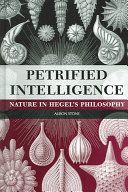
“Petrified Intelligence offers the first comprehensive treatment of Hegel’s “Philosophy of Nature, exploring its central place within his system, including its relation to his “Logic, Philosophy of Mind, and moral and political thought. It highlights the contemporary relevance of Hegel’s approach to nature, particularly with respect to environmental issues. Challenging the standard view that Hegel devalues nature relative to mind and culture, Alison Stone revels the deep concern to re-enchant the natural world that pervades his entire philosophical project. Written in clear and nontechnical language, the book also provides a critical introducing to Hegel’s metaphysics.
ما از اخلاق چه انتظاری داریم؟ این سوال شاید تاحدودی برای عموم مردم و یا متخصصان این رشته قابل پاسخ باشد؛ اینکه خوب بودن را به ما بیاموزد و در تنظیم روابط فردی م...

جشن کتاب تهران به ایستگاه سی و یکم رسیده است. حال و احوال نشر کتاب خوب نیست و باید فرهنگدوستان را به خرید و هدیه دادن کتاب ترغیب نمود. خانه اخلاقپژوهان جوان ب...

بنیاد کتابهای اخلاق اسلامی عمدتا پالایش جان از آلودگیها و آراستن آن به زیباییها است. اندیشه محوری این قبیل کتابها آن است که انسان فعلی آنی نیست که باید باشد...

-
0 Comments