Notice: تابع WP_Block_Type_Registry::register به طورنادرست فراخوانی شد. نامهای نوع بلوک نباید حروف بزرگ داشته باشند. لطفاً برای اطلاعات بیشتر، اشکال زدایی در وردپرس را مشاهده کنید. (این پیام در نگارش 5.0.0 افزوده شده است.) in /home/ethicsho/public_html/wp-includes/functions.php on line 5313
Warning: Use of undefined constant TDC_PATH_LEGACY - assumed 'TDC_PATH_LEGACY' (this will throw an Error in a future version of PHP) in /home/ethicsho/public_html/wp-content/plugins/td-composer/td-composer.php on line 109
Warning: Use of undefined constant TDSP_THEME_PATH - assumed 'TDSP_THEME_PATH' (this will throw an Error in a future version of PHP) in /home/ethicsho/public_html/wp-content/plugins/td-composer/td-composer.php on line 113 بایگانیهای B105.A35 .A48 2010 - خانه اخلاق پژوهان جوان Notice: Trying to access array offset on value of type bool in /home/ethicsho/public_html/wp-content/plugins/wp-ulike/inc/general-functions.php on line 807
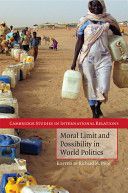
At what point can we concede that the realities of world politics require that moral principles be compromised, and how do we know when a real ethical limit has been reached? This volume gathers leading constructivist scholars to explore the issue of moral limit and possibility in global political dilemmas. The contributors examine pressing ethical challenges such as sanctions, humanitarian intervention, torture, the self-determination of indigenous peoples, immigration, and the debate about international criminal tribunals and amnesties in cases of atrocity. Their analyses entail theoretical and empirical claims about the conditions of possibility and limits of moral change in world politics, therefore providing insightful leverage on the ethical question of ‘what ought we to do?’ This is a valuable contribution to the growing field of normative theory in International Relations and will appeal to scholars and advanced students of international ethics and political theory.
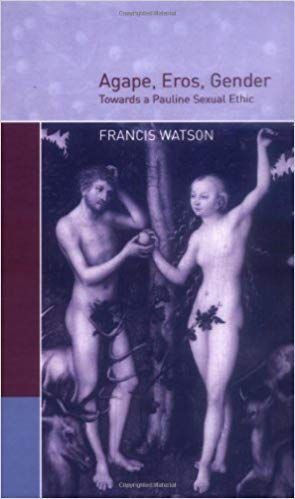
Issues of gender and sexuality have recently come to the fore in all humanities disciplines, and this book reflects this broad interdisciplinary situation. It focuses on issues of gender and sexuality (eros) in the light of the comprehensive divine-human love (agape) which, for the New Testament, lies at the heart of Christian faith and practice. The intention is to outline a distinctively Christian understanding of the male/female relationship reflecting the priority of agape over eros. Key Pauline texts are read alongside modern texts by Virginia Woolf, Freud and Irigaray.
We have been taught that forgiveness is the only healthy, morally sound response to violation, and that it must be granted without conditions, even when the person who hurt us is unremorseful — even when that person is dead. In her long-awaited second book, the gifted therapist and bestselling author of After the Affair debunks these myths. Drawing on twenty-nine years as a clinical psychologist, Dr. Spring proposes a radically new, life-affirming alternative that lets us overcome the corrosive effects of hate and get on with our lives — without forgiving. She also offers a powerful and unconventional model for genuine forgiveness — one that asks as much of the offender as it asks of us. Forgiveness is no gratuitous gift, she argues. We can heal ourselves, but forgiveness must be earned. How Can I Forgive You? answers such crucial questions as: How do I forgive someone who can’t or won’t apologize for hurting me? How do I reconcile with an unrepentant offender and maintain my self-respect? If I can’t forgive, how do I put the injury behind me? Is forgiveness my job alone, requiring nothing in return? When is forgiveness cheap, and when is it genuine? What can the offender do to earn forgiveness? How can I encourage the offender to seek my forgiveness? What is self-forgiveness? How do we achieve it? This bold and healing book offers concrete, step-by-step instructions that help us to make peace with our partner, parent, sibling, child, in-law, or friend — and with ourselves. Penetrating and beautifully written, How Can I Forgive You? is bound to change forever the way we think about forgiveness and how we recover from intimate wounds.
ما از اخلاق چه انتظاری داریم؟ این سوال شاید تاحدودی برای عموم مردم و یا متخصصان این رشته قابل پاسخ باشد؛ اینکه خوب بودن را به ما بیاموزد و در تنظیم روابط فردی م...

جشن کتاب تهران به ایستگاه سی و یکم رسیده است. حال و احوال نشر کتاب خوب نیست و باید فرهنگدوستان را به خرید و هدیه دادن کتاب ترغیب نمود. خانه اخلاقپژوهان جوان ب...

بنیاد کتابهای اخلاق اسلامی عمدتا پالایش جان از آلودگیها و آراستن آن به زیباییها است. اندیشه محوری این قبیل کتابها آن است که انسان فعلی آنی نیست که باید باشد...

-
0 Comments