Notice: تابع WP_Block_Type_Registry::register به طورنادرست فراخوانی شد. نامهای نوع بلوک نباید حروف بزرگ داشته باشند. لطفاً برای اطلاعات بیشتر، اشکال زدایی در وردپرس را مشاهده کنید. (این پیام در نگارش 5.0.0 افزوده شده است.) in /home/ethicsho/public_html/wp-includes/functions.php on line 5313
Warning: Use of undefined constant TDC_PATH_LEGACY - assumed 'TDC_PATH_LEGACY' (this will throw an Error in a future version of PHP) in /home/ethicsho/public_html/wp-content/plugins/td-composer/td-composer.php on line 109
Warning: Use of undefined constant TDSP_THEME_PATH - assumed 'TDSP_THEME_PATH' (this will throw an Error in a future version of PHP) in /home/ethicsho/public_html/wp-content/plugins/td-composer/td-composer.php on line 113 بایگانیهای 9781845112790 - خانه اخلاق پژوهان جوان Notice: Trying to access array offset on value of type bool in /home/ethicsho/public_html/wp-content/plugins/wp-ulike/inc/general-functions.php on line 807
If globalization is to be a benefit and not a burden to humankind, it must be governed by global institutions that are perceived by all people to be democratic and just. But before we can create such institutions, we must imagine them, and that requires a rethinking and extension of normative political theory. Global Justice and Transnational Politics encourages and advances that work.The book’s first part, “Weak Universalism,” contains essays by Amartya Sen and Leif Wenar that offer constructive developments of John Rawls’s statement of the principles a liberal polity might reasonably propose to govern its relations with other peoples. The second part, “Strong Universalism and Transnational Commitments,” contains essays by Jurgen Habermas, David Luban, Martha Nussbaum, and Thomas Pogge examining the normative sources and possible types of cross-border commitments. In the third part, “Transnational Politics and National Identities,” Habermas discusses the possibility of a democratic political order developing within the institutional framework of the European Union; Thomas McCarthy draws on Kant to show how cosmopolitanism might be reconciled with the legacy of nationalism; and Craig Calhoun tries to retrieve a positive aspect of the tradition of nationalism, namely that it provides large populations with a powerful way of imagining political community across space and time.
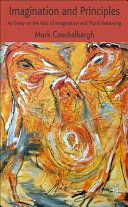
What does it mean to say that imagination plays a role in moral reasoning, and what are the theoretical and practical implications? Engaging with three traditions in moral theory and confronting them with three contexts of moral practice, this book offers a more comprehensive framework to think about these questions. The author develops an argument about the relation between imagination and principles that moves beyond competition metaphors and center-periphery schemas. He shows that both cooperate and are equally necessary to cope with moral problems, and combines insights of different theories and disciplines to explore how this works in practice.
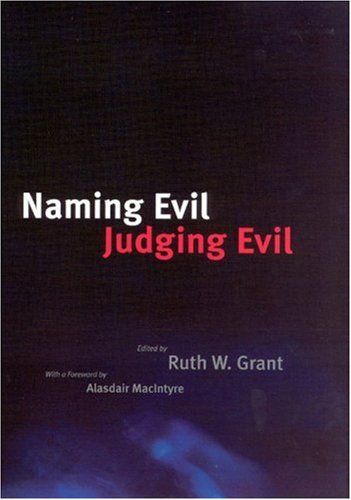
Is it more dangerous to call something evil or not to? This fundamental question deeply divides those who fear that the term oversimplifies grave problems and those who worry that, to effectively address such issues as terrorism and genocide, we must first acknowledge them as evil. Recognizing that the way we approach this dilemma can significantly affect both the harm we suffer and the suffering we inflict, a distinguished group of contributors engages in the debate with this series of timely and original essays. Drawing on Western conceptions of evil from the Middle Ages to the present, these pieces demonstrate that, while it may not be possible to definitively settle moral questions, we are still ableand in fact are obligatedto make moral arguments and judgments. Using a wide variety of approaches, the authors raise tough questions: Why is so much evil perpetrated in the name of good? Could evil ever be eradicated? How can liberal democratic politics help us strike a balance between the need to pass judgment and the need to remain tolerant? Their insightful answers exemplify how the sometimes rarefied worlds of political theory, philosophy, theology, and history can illuminate pressing contemporary concerns.
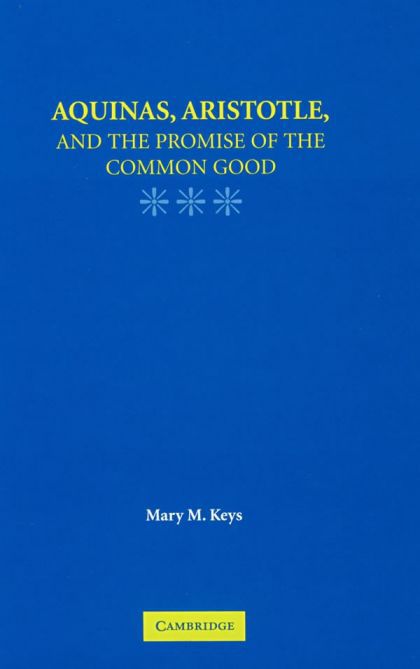
Aquinas, Aristotle, and the Promise of the Common Good claims that contemporary theory and practice have much to gain from engaging Aquinas’s normative concept of the common good and his way of reconciling religion, philosophy, and politics. Examining the relationship between personal and common goods, and the relation of virtue and law to both, Mary M. Keys shows why Aquinas should be read in addition to Aristotle on these perennial questions. She focuses on Aquinas’s Commentaries as mediating statements between Aristotle’s Nicomachean Ethics and Politics and, Aquinas’s own Summa Theologiae, showing how this serves as the missing link for grasping Aquinas’s understanding of Aristotle’s thought, in relation to Aquinas’s own considered views. Keys argues provocatively that Aquinas’s Christian faith opens up new panoramas and possibilities for philosophical inquiry and insights into ethics and politics. Her book shows how religious faith can assist sound philosophical inquiry into the foundation and proper purposes of society and politics.
ما از اخلاق چه انتظاری داریم؟ این سوال شاید تاحدودی برای عموم مردم و یا متخصصان این رشته قابل پاسخ باشد؛ اینکه خوب بودن را به ما بیاموزد و در تنظیم روابط فردی م...

جشن کتاب تهران به ایستگاه سی و یکم رسیده است. حال و احوال نشر کتاب خوب نیست و باید فرهنگدوستان را به خرید و هدیه دادن کتاب ترغیب نمود. خانه اخلاقپژوهان جوان ب...

بنیاد کتابهای اخلاق اسلامی عمدتا پالایش جان از آلودگیها و آراستن آن به زیباییها است. اندیشه محوری این قبیل کتابها آن است که انسان فعلی آنی نیست که باید باشد...

-
0 Comments