Notice: تابع WP_Block_Type_Registry::register به طورنادرست فراخوانی شد. نامهای نوع بلوک نباید حروف بزرگ داشته باشند. لطفاً برای اطلاعات بیشتر، اشکال زدایی در وردپرس را مشاهده کنید. (این پیام در نگارش 5.0.0 افزوده شده است.) in /home/ethicsho/public_html/wp-includes/functions.php on line 5313
Warning: Use of undefined constant TDC_PATH_LEGACY - assumed 'TDC_PATH_LEGACY' (this will throw an Error in a future version of PHP) in /home/ethicsho/public_html/wp-content/plugins/td-composer/td-composer.php on line 109
Warning: Use of undefined constant TDSP_THEME_PATH - assumed 'TDSP_THEME_PATH' (this will throw an Error in a future version of PHP) in /home/ethicsho/public_html/wp-content/plugins/td-composer/td-composer.php on line 113 بایگانیهای 9781565180246 - خانه اخلاق پژوهان جوان Notice: Trying to access array offset on value of type bool in /home/ethicsho/public_html/wp-content/plugins/wp-ulike/inc/general-functions.php on line 807
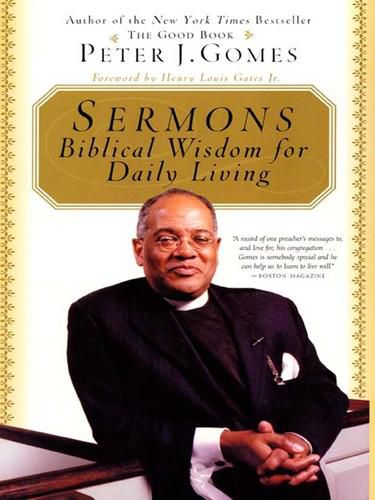
Conceived originally as a serious presentatin of the development of philosophy for Catholic seminary students, Frederick Copleston’s nine-volume “A History Of Philosophy” has journeyed far beyond the modest purpose of its author to universal acclaim as the best history of philosophy in English. Copleston, an Oxford Jesuit of immense erudition who once tangled with A.J. Ayer in a fabled debate about the existence of God and the possibility of metaphysics, knew that seminary students were fed a woefully inadequate diet of theses and proofs, and that their familiarity with most of history’s great thinkers was reduced to simplistic caricatures. Copleston set out to redress the wrong by writing a complete history of Western Philosophy, one crackling with incident an intellectual excitement – and one that gives full place to each thinker, presenting his thought in a beautifully rounded manner and showing his links to those who went before and to those who came after him.
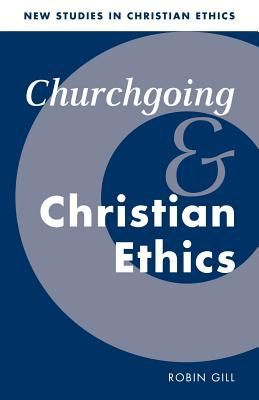
Robin Gill argues that once moral communities (such as churchgoers) take centre stage in ethics – as they do in virtue ethics – then there should be a greater interest in sociological evidence about these communities. This book examines recent evidence, gathered from social attitude surveys, about church communities, in particular their views on faith, moral order and love. It shows that churchgoers are distinctive in their attitudes and behaviour. Some of their attitudes change over time, and there are a number of obvious moral disagreements between different groups of churchgoers. Nonetheless, there are broad patterns of Christian beliefs, teleology and altruism which distinguish churchgoers as a whole from non-churchgoers. However, the values, virtues, moral attitudes and behaviour of churchgoers are shared by many other people as well. The distinctiveness of church communities in the modern world is thus real but relative, and is crucial for the task of Christian ethics.
This book offers a fresh analysis of the account of Peripatetic ethics in Cicero’s On Ends 5, which goes back to the first-century BCE philosopher Antiochus of Ascalon. Georgia Tsouni challenges previous characterisations of Antiochus’ philosophical project as ‘eclectic’ and shows how his reconstruction of the ethics of the ‘Old Academy’ demonstrates a careful attempt to update the ancient heritage, and predominantly the views of Aristotle and the Peripatos, in the light of contemporary Stoic-led debates. This results in both a hermeneutically complex and a philosophically exciting reading of the old tradition. A case in point is the way Antiochus grounds the ‘Old Academic’ conception of the happy life in natural appropriation (oikeiosis), thus offering a naturalistic version of Aristotelian ethics.
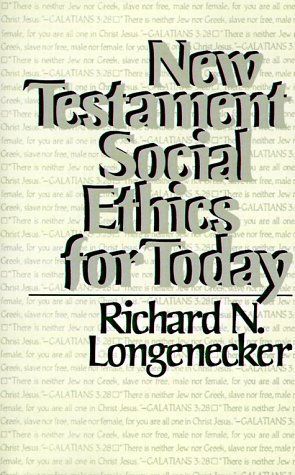
To Answer the Question of what role the New Testament should play in the formation and expression of Christian social morality today, Richard Longenecker here proposes a developmental hermeneutic, which distinguishes between “dedared principles” and “described practices” in the New Testament writings. With this distinction in mind; he focuses on the three couplets of Galatians 3:28 – “neither Jew nor Greek, slave nor free, male nor female” – showing how these matters were treated in early Christian thought and explaining their meaning for us today. In so doing, Longenecker lays a hermeneutical foundation for the much larger discussion of Christian social ethics. Book jacket.
ما از اخلاق چه انتظاری داریم؟ این سوال شاید تاحدودی برای عموم مردم و یا متخصصان این رشته قابل پاسخ باشد؛ اینکه خوب بودن را به ما بیاموزد و در تنظیم روابط فردی م...

جشن کتاب تهران به ایستگاه سی و یکم رسیده است. حال و احوال نشر کتاب خوب نیست و باید فرهنگدوستان را به خرید و هدیه دادن کتاب ترغیب نمود. خانه اخلاقپژوهان جوان ب...

بنیاد کتابهای اخلاق اسلامی عمدتا پالایش جان از آلودگیها و آراستن آن به زیباییها است. اندیشه محوری این قبیل کتابها آن است که انسان فعلی آنی نیست که باید باشد...

-
0 Comments