Notice: تابع WP_Block_Type_Registry::register به طورنادرست فراخوانی شد. نامهای نوع بلوک نباید حروف بزرگ داشته باشند. لطفاً برای اطلاعات بیشتر، اشکال زدایی در وردپرس را مشاهده کنید. (این پیام در نگارش 5.0.0 افزوده شده است.) in /home/ethicsho/public_html/wp-includes/functions.php on line 5313
Warning: Use of undefined constant TDC_PATH_LEGACY - assumed 'TDC_PATH_LEGACY' (this will throw an Error in a future version of PHP) in /home/ethicsho/public_html/wp-content/plugins/td-composer/td-composer.php on line 109
Warning: Use of undefined constant TDSP_THEME_PATH - assumed 'TDSP_THEME_PATH' (this will throw an Error in a future version of PHP) in /home/ethicsho/public_html/wp-content/plugins/td-composer/td-composer.php on line 113 بایگانیهای 9781461418269 - خانه اخلاق پژوهان جوان Notice: Trying to access array offset on value of type bool in /home/ethicsho/public_html/wp-content/plugins/wp-ulike/inc/general-functions.php on line 807
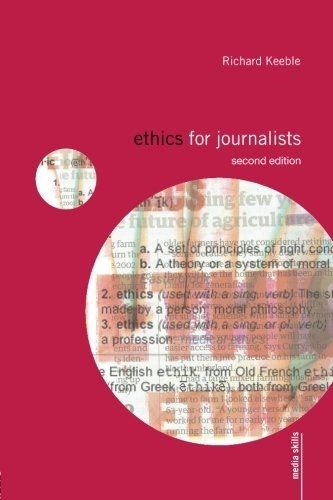
Ethics for Journalists tackles many of the issues which journalists face in their everyday lives – from the media’s supposed obsession with sex, sleaze and sensationalism, to issues of regulation and censorship. Its accessible style and question and answer approach highlights the relevance of ethical issues for everyone involved in journalism, both trainees and professionals, whether working in print, broadcast or new media.Ethics for Journalists provides a comprehensive overview of ethical dilemmas and features interviews with a number of journalists. Presenting a range of imaginative strategies for improving media standards and supported by a thorough bibliography and a wide ranging list of websites.
John Rawls is the preeminent political philosopher of our time. His 1971 masterpiece, A Theory of Justice, permanently changed the landscape of moral political theory, revitalizing the normative study of social issues and taking stands about justice, ethics, rationality and philosophical method that continue to draw followers and critics today.In these five volumes, Henry S. Richardson and Paul Weithman draw together almost 90 of the most incisive and influential articles in that body of literature. The reprinted articles, many of them drawn from difficult-to-find sources, cover the gamut of controversies and conversations sparked by Rawls’s work and represent a wide range of philosophical points of view. The selection also includes articles that reflect Rawls’s reception in economics, law, and the social science more broadly.The publication of these five volumes will be welcomed by students and scholars of contemporary political philosophy, and by anyone interested in the most probing reactions to the premier political philosopher of our time.
‘Fiala’s Tolerance and the Ethical Life is a profound study of the sources and consequences of the effort to get along with others in peace. His view that philosophy and toleration are particularly closely related is novel and important; connecting forbearance with tragically diverse communities stresses a much-neglected aspect of the subject. Written in accessible language but displaying a mastery of the history of thought, this book makes a permanent contribution to our understanding of why we must learn to live together and how difficult that is’ John Lachs, Vanderbilt University In a fresh and exciting way, this book shows how tolerance connects with the practice of philosophy. Andrew Fiala examines the virtue of tolerance as it appears in several historical contexts: Socratic philosophy, Stoic philosophy, Pragmatism and Existentialism. The lesson derived is that tolerance is a virtue for what Fiala calls ‘tragic communities’. Such communities are developed when we come together across our differences, but they lack the robust sense of connection that we often seek with others – the complete sort of happiness that is offered by a more Utopian ideal of community. But rather than viewing this conclusion as a failure, Fiala maintains that tragic communities are the best communities possible for human beings who are aware of their own individuality and finitude. Indeed, they are typical of the sorts of communities created by philosophers engaged in dialogue with others.
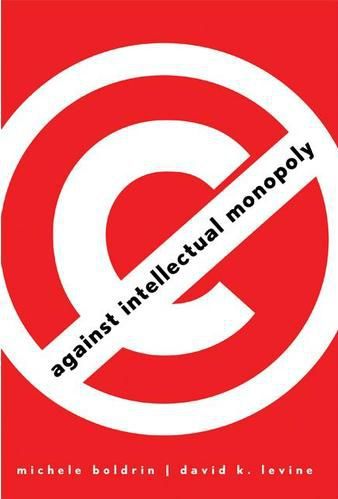
“Intellectual property” – patents and copyrights – have become controversial. We witness teenagers being sued for “pirating” music – and we observe AIDS patients in Africa dying due to lack of ability to pay for drugs that are high priced to satisfy patent holders. Are patents and copyrights essential to thriving creation and innovation – do we need them so that we all may enjoy fine music and good health? Across time and space the resounding answer is: No. So-called intellectual property is in fact an “intellectual monopoly” that hinders rather than helps the competitive free market regime that has delivered wealth and innovation to our doorsteps. This book has broad coverage of both copyrights and patents and is designed for a general audience, focusing on simple examples. The authors conclude that the only sensible policy to follow is to eliminate the patents and copyright systems as they currently exist.
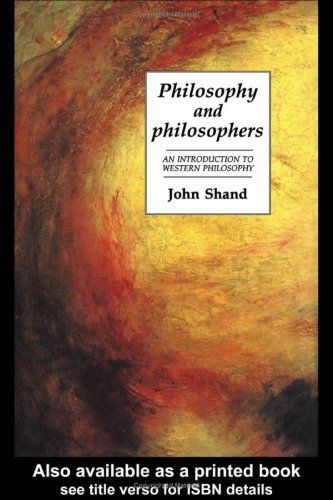
Aimed at the beginning student, it presents the ideas of the major philosophers and their schools of thought in a readable and engaging way, highlighting the central points in each contributor’s doctrines and offering a lucid discussion of the next-level details that both fills out the general themes and encourages the reader to pursue the arguments still further through a detailed guide to further reading.
ما از اخلاق چه انتظاری داریم؟ این سوال شاید تاحدودی برای عموم مردم و یا متخصصان این رشته قابل پاسخ باشد؛ اینکه خوب بودن را به ما بیاموزد و در تنظیم روابط فردی م...

جشن کتاب تهران به ایستگاه سی و یکم رسیده است. حال و احوال نشر کتاب خوب نیست و باید فرهنگدوستان را به خرید و هدیه دادن کتاب ترغیب نمود. خانه اخلاقپژوهان جوان ب...

بنیاد کتابهای اخلاق اسلامی عمدتا پالایش جان از آلودگیها و آراستن آن به زیباییها است. اندیشه محوری این قبیل کتابها آن است که انسان فعلی آنی نیست که باید باشد...

-
0 Comments