Notice: تابع WP_Block_Type_Registry::register به طورنادرست فراخوانی شد. نامهای نوع بلوک نباید حروف بزرگ داشته باشند. لطفاً برای اطلاعات بیشتر، اشکال زدایی در وردپرس را مشاهده کنید. (این پیام در نگارش 5.0.0 افزوده شده است.) in /home/ethicsho/public_html/wp-includes/functions.php on line 5313
Warning: Use of undefined constant TDC_PATH_LEGACY - assumed 'TDC_PATH_LEGACY' (this will throw an Error in a future version of PHP) in /home/ethicsho/public_html/wp-content/plugins/td-composer/td-composer.php on line 109
Warning: Use of undefined constant TDSP_THEME_PATH - assumed 'TDSP_THEME_PATH' (this will throw an Error in a future version of PHP) in /home/ethicsho/public_html/wp-content/plugins/td-composer/td-composer.php on line 113 بایگانیهای 9781405135658 - خانه اخلاق پژوهان جوان Notice: Trying to access array offset on value of type bool in /home/ethicsho/public_html/wp-content/plugins/wp-ulike/inc/general-functions.php on line 807
The Animal Ethics Readeris the first comprehensive, state-of-the-art anthology of readings on this substantial area of study and interest. A subject that regularly captures the headlines, the book is designed to appeal to anyone interested in tracing the history of the subject, as well as providing a powerful insight into the debate as it has developed. The recent wealth of material published in this area has not, until now, been collected in one volume. Readings are arranged thematically, carefully presenting a balanced representation of the subject as it stands. It will be essential reading for students taking a course in the subject as well as being of considerable interest to the general reader. Articles are arranged under the following headings: Theories of Animal Ethics; Animal Capacities; Animals for Food; Animal Experimentation; Genetic Engineering of Animals; Ethics and Wildlife; Zoos, Aquaria, and Animals in Entertainment; Companion Animals; Legal Rights for Animals. Readings from leading experts in the field including Peter Singer, Mary Midgley and Bernard Rollin are featured as well as selections from Donald Griffin, Mark Bekoff, Jane Goodall, Raymond Frey, Barbara Orlans, Tom Regan, and Baird Callicott. There is an emphasis on balancing classic and contemporary readings with a view to presenting debates as they stand at this point in time. Each chapter is introduced by the editors and study questions feature at the end. The foreword has been written by Bernard Rollin.
Invaluable book for practitioners and students alike. Readable and authoritative, subjects range from confidentiality, consent, mental disabilities and negligence, and the practical aspects of managing complaints and claims. Where differences occur, as in Scotland, these are fully explained. Developments in revalidation and continuing professional education make this a timely publication which should be readily available to every dentist and dental student. It provides clear and comprehensive guidance on key legal and ethical issues, and emphasises the standards which are now expected by patients and the profession.
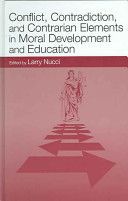
Publisher description: The premise of this book is that individuals and societies have an inexorable urge to morally develop by challenging the assumptions of the previous generation in terms of what is right and wrong. The focus is on the nature and functional value of conflicts and challenges to the dominant moral and social values framework. Through this analysis, individuals develop moral character through conflict with their local authority figures, including parents. The moral structure of societies evolves through intergenerational challenges to and contradictions with the dominant social order. The book is divided into three parts to help frame this discussion. Part I directly takes up the issue of resistance as it occurs at a cultural level, andthe implications of such resistance for moral education and socialization. Part II explores the normative forms of adolescent resistance and contrarian behavior that vex parents and teachers alike. Part III brings back the issue of societal structure andculture to illustrate how negative features of society–such as racial discrimination and economic disparity–can feed into the construction of negative moral identity in youth posing challenges to moral education.
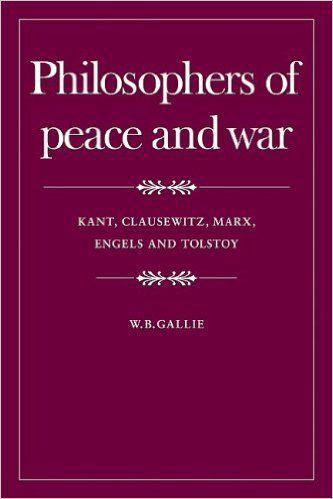
Intellectual eminence apart, what did Kant, Clausewitz, Marx and Engels, and Tolstoy have in common? Professor Gallic argues that they made contributions to ‘international theory’ – to the understanding of the character and causes of war and of the possibility of peace between nations – which were of unrivalled originality in their own times and remain of undiminished importance in ours. But these contributions have been either ignored or much misunderstood ; chiefly because, as with all intellectual efforts in unexplored fields, they were often imperfectly expressed, and were also overshadowed by their author’s more striking achievements. Professor Gallic has sorted out, compared and contrasted, criticised and re-phrased the teachings of his chosen authors on peace and war.
ما از اخلاق چه انتظاری داریم؟ این سوال شاید تاحدودی برای عموم مردم و یا متخصصان این رشته قابل پاسخ باشد؛ اینکه خوب بودن را به ما بیاموزد و در تنظیم روابط فردی م...

جشن کتاب تهران به ایستگاه سی و یکم رسیده است. حال و احوال نشر کتاب خوب نیست و باید فرهنگدوستان را به خرید و هدیه دادن کتاب ترغیب نمود. خانه اخلاقپژوهان جوان ب...

بنیاد کتابهای اخلاق اسلامی عمدتا پالایش جان از آلودگیها و آراستن آن به زیباییها است. اندیشه محوری این قبیل کتابها آن است که انسان فعلی آنی نیست که باید باشد...

-
0 Comments