Notice: تابع WP_Block_Type_Registry::register به طورنادرست فراخوانی شد. نامهای نوع بلوک نباید حروف بزرگ داشته باشند. لطفاً برای اطلاعات بیشتر، اشکال زدایی در وردپرس را مشاهده کنید. (این پیام در نگارش 5.0.0 افزوده شده است.) in /home/ethicsho/public_html/wp-includes/functions.php on line 5313
Warning: Use of undefined constant TDC_PATH_LEGACY - assumed 'TDC_PATH_LEGACY' (this will throw an Error in a future version of PHP) in /home/ethicsho/public_html/wp-content/plugins/td-composer/td-composer.php on line 109
Warning: Use of undefined constant TDSP_THEME_PATH - assumed 'TDSP_THEME_PATH' (this will throw an Error in a future version of PHP) in /home/ethicsho/public_html/wp-content/plugins/td-composer/td-composer.php on line 113 بایگانیهای 9781107657045 - خانه اخلاق پژوهان جوان Notice: Trying to access array offset on value of type bool in /home/ethicsho/public_html/wp-content/plugins/wp-ulike/inc/general-functions.php on line 807
Suppose there is no God. This supposition implies that human life is meaningless, that there are no moral obligations and hence people can do whatever they want, and that the notions of virtue and vice, right and wrong, and good and evil have no place in the universe. Erik J. Wielenberg believes this view to be utterly erroneous and, in this thought-provoking book, he explains the reasons why. He argues that, even if God does not exist, human life can still have meaning, humans do have moral obligations, and human virtue is still possible. Wielenberg offers readers a cognent explanation of the ethical implications of naturalism–a view that denies the existence of the supernatural in human life. In his view virtue exists in a godless universe but it is significantly different from virtue in a Christian universe, and he develops naturalistic accounts of humility, charity, and hope. The overarching theme of Virtue and Value in a Godless Universe is what ethics might look like without God. Erik Wielenberg takes readers on an extraordinary tour of some of the central landmarks of this under-explored territory.
Film and literature have long been mined for interesting examples and case studies in order to teach biomedical ethics to students. This volume presents a collection of about 80 very brief, accessible essays written by international experts from medicine, social sciences, and the humanities, all of whom have experience using film in their teaching of medical ethics. Each essay focuses on a single scene and the ethical issues it raises, and the volume editors have provided strict guidelines for what each essay must do, while also allowing for some creative freedom. While some of the films are obvious candidates with medical themes — “Million Dollar Baby”, “The Diving Bell and the Butterfly” — some are novel choices, such as “Pan’s Labyrinth” or “As Good as it Gets”. The book will contain several general introductory chapters to major sections, and a complete filmography and cross-index at the end of the book where readers can look up individual films or ethical issues.
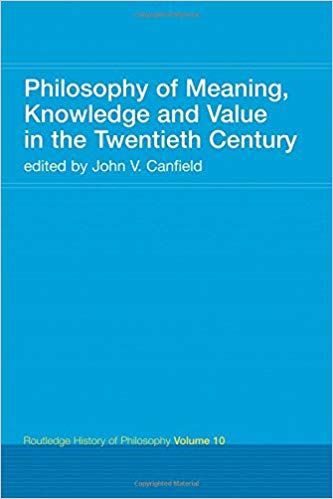
Volume X of the Routledge History of Philosophy presents a historical survey of the central topics in twentieth century Anglo-American philosophy. It chronicles what has been termed the “linguistic turn” in analytic philosophy and traces the influence the study of language has had on the main problems of philosophy. Each chapter contains an extensive bibliography of the major writings in the field. In keeping with the importance of the linguistic turn, the introduction and the first two essays in the book deal with the philosophy of language. A subsequent series of essays concentrates on the central areas of metaphysics, ethics, epistemology, aesthetics, and the philosophies of politics and religion.
ما از اخلاق چه انتظاری داریم؟ این سوال شاید تاحدودی برای عموم مردم و یا متخصصان این رشته قابل پاسخ باشد؛ اینکه خوب بودن را به ما بیاموزد و در تنظیم روابط فردی م...

جشن کتاب تهران به ایستگاه سی و یکم رسیده است. حال و احوال نشر کتاب خوب نیست و باید فرهنگدوستان را به خرید و هدیه دادن کتاب ترغیب نمود. خانه اخلاقپژوهان جوان ب...

بنیاد کتابهای اخلاق اسلامی عمدتا پالایش جان از آلودگیها و آراستن آن به زیباییها است. اندیشه محوری این قبیل کتابها آن است که انسان فعلی آنی نیست که باید باشد...

-
0 Comments