Notice: تابع WP_Block_Type_Registry::register به طورنادرست فراخوانی شد. نامهای نوع بلوک نباید حروف بزرگ داشته باشند. لطفاً برای اطلاعات بیشتر، اشکال زدایی در وردپرس را مشاهده کنید. (این پیام در نگارش 5.0.0 افزوده شده است.) in /home/ethicsho/public_html/wp-includes/functions.php on line 5313
Warning: Use of undefined constant TDC_PATH_LEGACY - assumed 'TDC_PATH_LEGACY' (this will throw an Error in a future version of PHP) in /home/ethicsho/public_html/wp-content/plugins/td-composer/td-composer.php on line 109
Warning: Use of undefined constant TDSP_THEME_PATH - assumed 'TDSP_THEME_PATH' (this will throw an Error in a future version of PHP) in /home/ethicsho/public_html/wp-content/plugins/td-composer/td-composer.php on line 113 بایگانیهای 9780415364874 - خانه اخلاق پژوهان جوان Notice: Trying to access array offset on value of type bool in /home/ethicsho/public_html/wp-content/plugins/wp-ulike/inc/general-functions.php on line 807
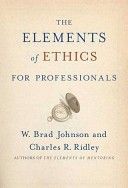
Patterned after Strunk and White’s classic The Elements of Style, this handy guide pulls the existing research on the delicate balance of professional ethics into one concise source. Johnson and Ridley explore seventy-five of the most important and pithy truths for supervisors in all fields, including questions of integrity, loyalty, justice, respect, and delivering one’s best in the business environment. Succinct and comprehensive, with examples and takeaway advice, this is a must-have for any professional or business leader striving to create an ethical workplace.
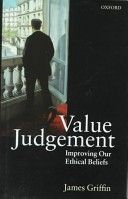
How can we improve our ethical beliefs? How great are our capacities for moral improvement? What constitutes a good life? What role can philosophy play in answering these questions? In this important new book, one of our leading moral philosophers looks at central issues of ethics and emerges with the fullest and most elegant account of his fundamental ethical theory. James Griffin examines influential schools of ethical thought and finds deontology, virtue ethics, and most forms of utilitarianism to be overly ambitious. He argues that ethics cannot be what philosophers in these traditions expect because agents cannot be what the philosophies need them to be. Clear, compelling, and original, this new account of ethics will be of interest to anyone concerned with thinking about values: not only philosophers but legal, political, and economic theorists as well.
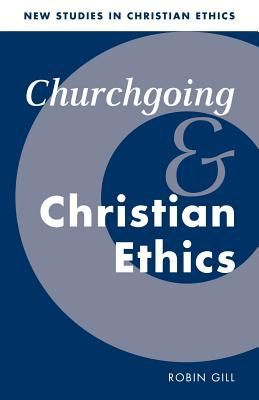
Robin Gill argues that once moral communities (such as churchgoers) take centre stage in ethics – as they do in virtue ethics – then there should be a greater interest in sociological evidence about these communities. This book examines recent evidence, gathered from social attitude surveys, about church communities, in particular their views on faith, moral order and love. It shows that churchgoers are distinctive in their attitudes and behaviour. Some of their attitudes change over time, and there are a number of obvious moral disagreements between different groups of churchgoers. Nonetheless, there are broad patterns of Christian beliefs, teleology and altruism which distinguish churchgoers as a whole from non-churchgoers. However, the values, virtues, moral attitudes and behaviour of churchgoers are shared by many other people as well. The distinctiveness of church communities in the modern world is thus real but relative, and is crucial for the task of Christian ethics.
The aim of this highly original book is twofold: to explain the reconciliation of religion and politics in the work of John Locke, and to explore the relevance of that reconciliation for politics in our own time. Confronted with deep social divisions over ultimate beliefs Locke sought to unite society in a single liberal community. Reason could identify divine moral laws that would be acceptable to members of all cultural groups, thereby justifying the authority of government. Greg Forster demonstrates that Locke’s theory is liberal and rational but also moral and religious, providing an alternative to the two extremes of religious fanaticism and moral relativism. This fresh new account of Locke’s thought will appeal to specialists and advanced students across philosophy, political science, and religious studies.
ما از اخلاق چه انتظاری داریم؟ این سوال شاید تاحدودی برای عموم مردم و یا متخصصان این رشته قابل پاسخ باشد؛ اینکه خوب بودن را به ما بیاموزد و در تنظیم روابط فردی م...

جشن کتاب تهران به ایستگاه سی و یکم رسیده است. حال و احوال نشر کتاب خوب نیست و باید فرهنگدوستان را به خرید و هدیه دادن کتاب ترغیب نمود. خانه اخلاقپژوهان جوان ب...

بنیاد کتابهای اخلاق اسلامی عمدتا پالایش جان از آلودگیها و آراستن آن به زیباییها است. اندیشه محوری این قبیل کتابها آن است که انسان فعلی آنی نیست که باید باشد...

-
0 Comments