Notice: تابع WP_Block_Type_Registry::register به طورنادرست فراخوانی شد. نامهای نوع بلوک نباید حروف بزرگ داشته باشند. لطفاً برای اطلاعات بیشتر، اشکال زدایی در وردپرس را مشاهده کنید. (این پیام در نگارش 5.0.0 افزوده شده است.) in /home/ethicsho/public_html/wp-includes/functions.php on line 5313
Warning: Use of undefined constant TDC_PATH_LEGACY - assumed 'TDC_PATH_LEGACY' (this will throw an Error in a future version of PHP) in /home/ethicsho/public_html/wp-content/plugins/td-composer/td-composer.php on line 109
Warning: Use of undefined constant TDSP_THEME_PATH - assumed 'TDSP_THEME_PATH' (this will throw an Error in a future version of PHP) in /home/ethicsho/public_html/wp-content/plugins/td-composer/td-composer.php on line 113 بایگانیهای 9780415194099 - خانه اخلاق پژوهان جوان Notice: Trying to access array offset on value of type bool in /home/ethicsho/public_html/wp-content/plugins/wp-ulike/inc/general-functions.php on line 807
Widely regarded as one of the foremost figures in contemporary philosophy of religion, Linda Zagzebski has written a new book that will be seen as a major contribution to ethical theory and theological ethics. At the core of the book lies a new form of virtue theory based on the emotions. Quite distinct from deontological, consequentialist and teleological virtue theories, this one has a particular theological, indeed Christian, foundation. The new theory helps to resolve philosophical problems and puzzles of various kinds: the dispute between cognitivism and non-cognitivism in moral psychology, the claims and counterclaims of realism and anti-realism in the metaphysics of value, and paradoxes of perfect goodness in natural theology, including the problem of evil. As with Zagzebski’s previous Cambridge book Virtues of the Mind, this new book will be sought out eagerly by a broad swathe of professionals and graduate students in philosophy and religious studies.
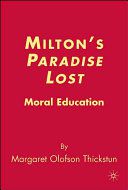
This book reads Milton’s Paradise Lostas a poem that seeks to educate its readers by narrating the education of its main characters. Many of Milton’s characters enter the action in late adolescence, newly independent and eager to test themselves, to discover who they are and their place in the world. The poem charts their progress into moral adulthood. Taking as its premise that attention to the moral development of the poem’s main characters will open the poem to most undergraduate readers, this book explores both the pedagogical activity within Paradise Lostand the pedagogical activity that the poem encourages.
How do the hard facts of political responsibility shape and constrain the demands of ethical life? That question lies at the heart of the problem of ‘dirty hands’ in public life. Those who exercise political power often feel they must act in ways that would otherwise be considered immoral: indeed, paradoxically, they sometimes feel that it would be immoral of them not to perform or condone such acts as killing or lying. John Parrish offers a wide-ranging account of how this important philosophical problem emerged and developed, tracing it – and its proposed solutions – from ancient Greece through the Enlightenment. His central argument is that many of our most familiar concepts and institutions – from Augustine’s interiorised ethics, to Hobbes’s sovereign state, to Adam Smith’s ‘invisible hand’, understanding of the modern commercial economy – were designed partly as responses to the ethical problem of dirty hands in public life.
ما از اخلاق چه انتظاری داریم؟ این سوال شاید تاحدودی برای عموم مردم و یا متخصصان این رشته قابل پاسخ باشد؛ اینکه خوب بودن را به ما بیاموزد و در تنظیم روابط فردی م...

جشن کتاب تهران به ایستگاه سی و یکم رسیده است. حال و احوال نشر کتاب خوب نیست و باید فرهنگدوستان را به خرید و هدیه دادن کتاب ترغیب نمود. خانه اخلاقپژوهان جوان ب...

بنیاد کتابهای اخلاق اسلامی عمدتا پالایش جان از آلودگیها و آراستن آن به زیباییها است. اندیشه محوری این قبیل کتابها آن است که انسان فعلی آنی نیست که باید باشد...

-
0 Comments