Notice: تابع WP_Block_Type_Registry::register به طورنادرست فراخوانی شد. نامهای نوع بلوک نباید حروف بزرگ داشته باشند. لطفاً برای اطلاعات بیشتر، اشکال زدایی در وردپرس را مشاهده کنید. (این پیام در نگارش 5.0.0 افزوده شده است.) in /home/ethicsho/public_html/wp-includes/functions.php on line 5313
Warning: Use of undefined constant TDC_PATH_LEGACY - assumed 'TDC_PATH_LEGACY' (this will throw an Error in a future version of PHP) in /home/ethicsho/public_html/wp-content/plugins/td-composer/td-composer.php on line 109
Warning: Use of undefined constant TDSP_THEME_PATH - assumed 'TDSP_THEME_PATH' (this will throw an Error in a future version of PHP) in /home/ethicsho/public_html/wp-content/plugins/td-composer/td-composer.php on line 113 بایگانیهای 9780394413709 - خانه اخلاق پژوهان جوان Notice: Trying to access array offset on value of type bool in /home/ethicsho/public_html/wp-content/plugins/wp-ulike/inc/general-functions.php on line 807
In this book Axel Honneth re-examines arguments put forward by Hegel and claims that the ‘struggle for recognition’ should be at the centre of social conflicts.
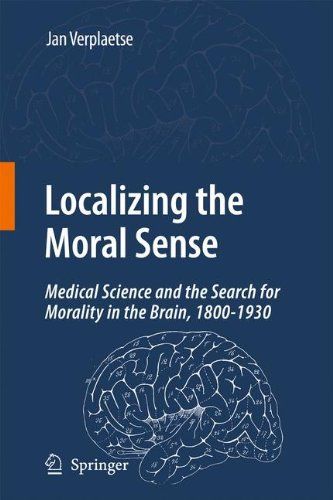
Due to the current revolution in brain research the search for the a oemoral braina became a serious endeavour. Nowadays, neural circuits that are indispensable for moral and social behaviour are discovered and the brains of psychopaths and criminals – the classical anti-heroes of morality – are scanned with curiosity, even enthusiasm. How revolutionary this current research might be, the quest for a localisable ethical centre or moral organ is far from new. The moral brain was a recurrent theme in the works of neuroscientists during the 19th and 20th century. From the phrenology era to the encephalitis pandemic in the 1920s a wide range of European and American scientists (neurologists, psychiatrists, anthropologists and criminologists) speculated about and discussed the location of a moral sense in the human cortex. Encouraged by medical discoveries and concerned by terrifying phenomena like crime or a oemoral insanitya (psychopathy) even renowned and outstanding neurologists, including Moritz Benedikt, Paul Flechsig, Arthur Van Gehuchten, Oskar Vogt or Constantin von Monakow, had the nerve to make their speculations public. This book presents the first overview of believers and disbelievers in a cerebral seat of human morality, their positions and arguments and offers an explanation for these historical attempts to localise our moral sense, in spite of the massive disapproving commentary launched by colleagues.
This work is an investigation of the ongoing methodical reconstruction of Catholic moral theology. As such it is based on and honors the work of Norbert Rigali, S.J., one of the most important contributors to this reconstruction.The decisive break from the traditional manual approach to moral theology represented by Vatican II reoriented moral theology away from universal natural law morality based on the commandments to a morality based on specifically Christian sources. This reorientation, however, was not an either/or but a both/and proposition. Father Norbert Rigali, S.J. has been an inspiration and a challenge to moral theologians working toward reconstruction. This essays in this collection address four questions in the renewal movement: an investigation of normative methods, a clarification of sources, an investigation of the tension between natural law morality and Christian ethics and/or morality, and a combination of methodical insights of philosophy and traditional Christian sources in their investigation of biomedical ethical issues.
ما از اخلاق چه انتظاری داریم؟ این سوال شاید تاحدودی برای عموم مردم و یا متخصصان این رشته قابل پاسخ باشد؛ اینکه خوب بودن را به ما بیاموزد و در تنظیم روابط فردی م...

جشن کتاب تهران به ایستگاه سی و یکم رسیده است. حال و احوال نشر کتاب خوب نیست و باید فرهنگدوستان را به خرید و هدیه دادن کتاب ترغیب نمود. خانه اخلاقپژوهان جوان ب...

بنیاد کتابهای اخلاق اسلامی عمدتا پالایش جان از آلودگیها و آراستن آن به زیباییها است. اندیشه محوری این قبیل کتابها آن است که انسان فعلی آنی نیست که باید باشد...

-
0 Comments