Notice: تابع WP_Block_Type_Registry::register به طورنادرست فراخوانی شد. نامهای نوع بلوک نباید حروف بزرگ داشته باشند. لطفاً برای اطلاعات بیشتر، اشکال زدایی در وردپرس را مشاهده کنید. (این پیام در نگارش 5.0.0 افزوده شده است.) in /home/ethicsho/public_html/wp-includes/functions.php on line 5313
Warning: Use of undefined constant TDC_PATH_LEGACY - assumed 'TDC_PATH_LEGACY' (this will throw an Error in a future version of PHP) in /home/ethicsho/public_html/wp-content/plugins/td-composer/td-composer.php on line 109
Warning: Use of undefined constant TDSP_THEME_PATH - assumed 'TDSP_THEME_PATH' (this will throw an Error in a future version of PHP) in /home/ethicsho/public_html/wp-content/plugins/td-composer/td-composer.php on line 113 بایگانیهای 9780230552814 - خانه اخلاق پژوهان جوان Notice: Trying to access array offset on value of type bool in /home/ethicsho/public_html/wp-content/plugins/wp-ulike/inc/general-functions.php on line 807
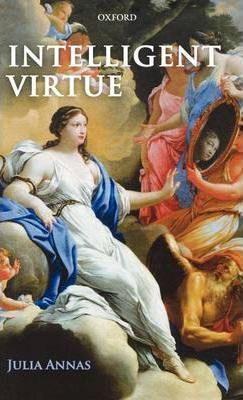
Intelligent Virtue presents a distinctive new account of virtue and happiness as central ethical ideas. Annas argues that exercising a virtue involves practical reasoning of a kind which can illuminatingly be compared to the kind of reasoning we find in someone exercising a practical skill. Rather than asking at the start how virtues relate to rules, principles, maximizing, or a final end, we should look at the way in which the acquisition and exercise of virtue can be seen to be in many ways like the acquisition and exercise of more mundane activities, such as farming, building or playing the piano. This helps us to see virtue as part of an agent’s happiness or flourishing, and as constituting (wholly, or in part) that happiness. We are offered a better understanding of the relation between virtue as an ideal and virtue in everyday life, and the relation between being virtuous and doing the right thing.
Oxford Studies in Ancient Philosophy is a volume of original articles on all aspects of ancient philosophy. The articles may be of substantial length, and include critical notices of major books. OSAP is now published twice yearly, in both hardback and paperback. This volume covers a wide chronological range of ancient philosophy, from the Presocratics, Heraclitus and Anaxagoras, to Galen and Aspasius in the second century AD. At the core of the volume are five articles on Aristotle.
Volume 1 gives readers a deep understanding of the contribution that the ancient Greek and medieval philosophers have made to contemporary philosophical debate. From Plato to William of Ockham, the philosophical texts covered offer a remarkable insight into a world out of which our present way of thinking emerged.
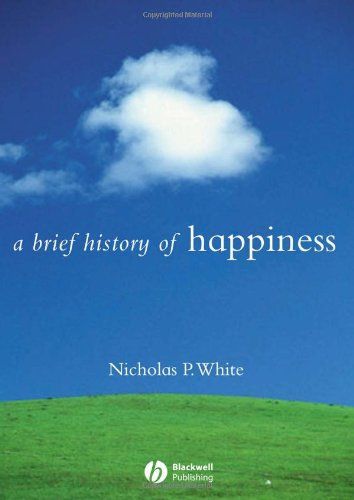
In this brief history, philosopher Nicholas White reviews 2,500 years of philosophical thought about happiness.Addresses key questions such as: What is happiness? Should happiness play such a dominant role in our lives? How can we deal with conflicts between the various things that make us happy? Considers the ways in which major thinkers from antiquity to the modern day have treated happiness: from Plato’s notion of the harmony of the soul, through to Nietzsche’s championing of conflict over harmony. Relates questions about happiness to ethics and to practical philosophy.
ما از اخلاق چه انتظاری داریم؟ این سوال شاید تاحدودی برای عموم مردم و یا متخصصان این رشته قابل پاسخ باشد؛ اینکه خوب بودن را به ما بیاموزد و در تنظیم روابط فردی م...

جشن کتاب تهران به ایستگاه سی و یکم رسیده است. حال و احوال نشر کتاب خوب نیست و باید فرهنگدوستان را به خرید و هدیه دادن کتاب ترغیب نمود. خانه اخلاقپژوهان جوان ب...

بنیاد کتابهای اخلاق اسلامی عمدتا پالایش جان از آلودگیها و آراستن آن به زیباییها است. اندیشه محوری این قبیل کتابها آن است که انسان فعلی آنی نیست که باید باشد...

-
0 Comments