Notice: تابع WP_Block_Type_Registry::register به طورنادرست فراخوانی شد. نامهای نوع بلوک نباید حروف بزرگ داشته باشند. لطفاً برای اطلاعات بیشتر، اشکال زدایی در وردپرس را مشاهده کنید. (این پیام در نگارش 5.0.0 افزوده شده است.) in /home/ethicsho/public_html/wp-includes/functions.php on line 5313
Warning: Use of undefined constant TDC_PATH_LEGACY - assumed 'TDC_PATH_LEGACY' (this will throw an Error in a future version of PHP) in /home/ethicsho/public_html/wp-content/plugins/td-composer/td-composer.php on line 109
Warning: Use of undefined constant TDSP_THEME_PATH - assumed 'TDSP_THEME_PATH' (this will throw an Error in a future version of PHP) in /home/ethicsho/public_html/wp-content/plugins/td-composer/td-composer.php on line 113 بایگانیهای 9780230219472 - خانه اخلاق پژوهان جوان Notice: Trying to access array offset on value of type bool in /home/ethicsho/public_html/wp-content/plugins/wp-ulike/inc/general-functions.php on line 807
Neuroscience has dramatically increased understanding of how mental states and processes are realized by the brain, thus opening doors for treating the multitude of ways in which minds become dysfunctional. This book explores questions such as when is it permissible to alter a person’s memories, influence personality traits or read minds? What can neuroscience tell us about free will, self-control, self-deception and the foundations of morality? The view of neuroethics offered here argues that many of our new powers to read ,alter and control minds are not entirely unparalleled with older ones. They have, however, expanded to include almost all our social, political and ethical decisions. Written primarily for graduate students, this book will appeal to anyone with an interest in the more philosophical and ethical aspects of the neurosciences.
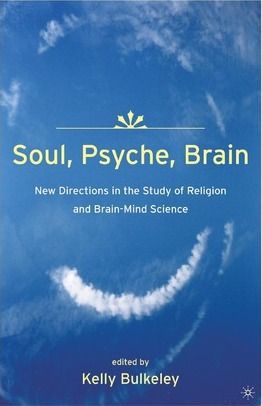
Soul, Psyche, Brainis a collection of essays that address the relationships between neuroscience, religion and human nature. The book highlights some startling new developments in neuroscience that have many people rethinking spirituality, the mind-body connection, and cognition in general. Soul, Psyche, Brainexplores questions like: What are the neurological effects of meditation and prayer? How does the mind develop psychological and spiritual self-awareness? And what are the practical implications of brain-mind science for religious faith and moral reasoning?
Powerful emotion and pursuit of self-interest have many times led people to break the law with the belief that they are doing so with sound moral reasons. This study is a comprehensive philosophical and legal analysis of the gray area in which the foundations of law and morality clash. This objective book views these oblique circumstances from two perspectives: that of the person who faces a possible conflict between the claims of morality and law and must choose whether or not to obey the penal code; and that of the people who make and uphold laws and must decide whether to treat someone with a moral claim to disobey differently from ordinary lawbreakers. In examining the extent of the obligations owed by citizens to their government, Greenawalt concentrates on the possible existence of a single source of obligation that reaches all citizens and all laws. He also discusses techniques of amelioration of punishment for conscientious lawbreakers, asking how far legal systems should go to accomodate individuals who break the law for reason of conscience. Drawing from numerous examples of conflicts between law and morality, Greenawalt illustrates in detail the positions and predicaments of potential lawbreakers and lawmakers alike.
Allen Wood investigates Kant’s conception of ethical theory, using it to develop a viable approach to the rights and moral duties of human beings. By remaining closer to Kant’s own view of the aims of ethics, Wood’s understanding of Kantian ethics differs from the received ‘constructivist’ interpretation, especially on such matters as the ground and function of ethical principles, the nature of ethical reasoning and autonomy as the ground of ethics. Wood does not hesitate to criticize and modify Kant’s conclusions when they seem inconsistent with his basic principles or fail to make the best use of the resources Kantian principles make available. Of special interest are the book’s treatment of such topics as freedom of the will, the state’s role in securing economic justice, sexual morality, the justification of punishment, and the prohibition on lying.
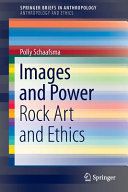
Ethics and Rock Art: Images and Power addresses the distinctive ways in which ethical considerations pertain to rock art research within the larger context of the archaeological ethical debate. Marks on stone, with their social and religious implications, give rise to distinctive ethical concerns within the scholarly enterprise as different perceptions between scholars and Native Americans are encountered in regard to worldviews, concepts of space, time, and in the interpretation of the imagery itself. This discourse addresses issues such as the conflicting paradigms of oral traditions and archaeological veracity, differing ideas about landscapes in which rock art occurs, the intrusion of “desired knowledge”, and how the past may be robbed by changing interpretations and values on both sides. Case studies are presented in regard to shamanism and war-related imagery. Also addressed are issues surrounding questions of art, aesthetics, and appropriation of imagery by outsiders. Overall, this discourse attempts to clarify points of contention between Euro-American scholars and Native Americans so that we can better recognize the origins of differences and thus promote better mutual understanding in these endeavors.
ما از اخلاق چه انتظاری داریم؟ این سوال شاید تاحدودی برای عموم مردم و یا متخصصان این رشته قابل پاسخ باشد؛ اینکه خوب بودن را به ما بیاموزد و در تنظیم روابط فردی م...

جشن کتاب تهران به ایستگاه سی و یکم رسیده است. حال و احوال نشر کتاب خوب نیست و باید فرهنگدوستان را به خرید و هدیه دادن کتاب ترغیب نمود. خانه اخلاقپژوهان جوان ب...

بنیاد کتابهای اخلاق اسلامی عمدتا پالایش جان از آلودگیها و آراستن آن به زیباییها است. اندیشه محوری این قبیل کتابها آن است که انسان فعلی آنی نیست که باید باشد...

-
0 Comments