Notice: تابع WP_Block_Type_Registry::register به طورنادرست فراخوانی شد. نامهای نوع بلوک نباید حروف بزرگ داشته باشند. لطفاً برای اطلاعات بیشتر، اشکال زدایی در وردپرس را مشاهده کنید. (این پیام در نگارش 5.0.0 افزوده شده است.) in /home/ethicsho/public_html/wp-includes/functions.php on line 5313
Warning: Use of undefined constant TDC_PATH_LEGACY - assumed 'TDC_PATH_LEGACY' (this will throw an Error in a future version of PHP) in /home/ethicsho/public_html/wp-content/plugins/td-composer/td-composer.php on line 109
Warning: Use of undefined constant TDSP_THEME_PATH - assumed 'TDSP_THEME_PATH' (this will throw an Error in a future version of PHP) in /home/ethicsho/public_html/wp-content/plugins/td-composer/td-composer.php on line 113 بایگانیهای 9780199743094 - خانه اخلاق پژوهان جوان Notice: Trying to access array offset on value of type bool in /home/ethicsho/public_html/wp-content/plugins/wp-ulike/inc/general-functions.php on line 807
Copyright laws, along with other Intellectual Property Rights (IPRs), constitute the legal foundation for the “global knowledge-based economy” and copyright law now plays an increasingly important role in the creation of business fortunes, the access to and dissemination of knowledge, and human development in general. This book examines major problems in the current IPR regime, particularly the copyright regime, in the context of digitization, knowledge economy, and globalization. The book contends that the final goals of IP law and policy-making are to enhance the progress of science and economic development, and the use and even-distribution of intellectual resource at the global level. By referring to major international IP consensus, recent developments in regional IP forums and the successful experiences of various countries, YiJun Tian is able to provide specific theoretical, policy and legislative suggestions for addressing current copyright challenges. The book contends that each nation should strengthen the coordination of its IP protection and development strategies, adopt a more systematic and heterogeneous approach, and make IP theory, policy, specific legal mechanisms, marketing forces and all other available measures work collectively to deal with digital challenges and in a way that contributes to the establishment of a knowledge equilibrium international society.
The Blackwell Guide to Aristotle’s Nicomachean Ethics illuminates Aristotle’s ethics for both academics and students new to the work, with sixteen newly commissioned essays by distinguished international scholars. The structure of the book mirrors the organization of the Nichomachean Ethics itself.Discusses the human good, the general nature of virtue, the distinctive characteristics of particular virtues, voluntariness, self-control, and pleasure.
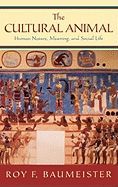
What makes us human? Why do people think, feel and act as they do? What is the essence of human nature? What is the basic relationship between the individual and society? These questions have fascinated both great thinkers and ordinary humans for centuries. Now, at last, there is a solid basis for answering them, in the form of accumulated efforts and studies by thousands of psychology researchers. We no longer have to rely on navel-gazing and speculation to understand why people are the way they are – we can instead turn to solid, objective findings. This book, by an eminent social psychologist at the peak of his career, not only summarizes what we know about people – it also offers a coherent, easy-to-understand, though radical, explanation. Turning conventional wisdom on its head, the author argues that culture shaped human evolution. Contrary to theories that depict the individual’s relation to society as one of victimization, endless malleability, or just a square peg in a round hole, he proposes that the individual human being is designed by nature to be part of society. Moreover, he argues that we need to briefly set aside the endless study of cultural differences to look at what most cultures have in common – because that holds the key to human nature. Culture is in our genes, although cultural differences may not be. This core theme is further developed by a powerful tour through the main dimension of human psychology. What do people want? How do people think? How do emotions operate? How do people behave? And how do they interact with each other? The answers are often surprising, and along the way the author explains how human desire, thought, feeling, and action are connected.
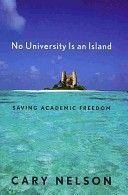
The modern university is sustained by academic freedom; it guarantees higher education’s independence, its quality, and its success in educating students. The need to uphold those values would seem obvious. Yet the university is presently under siege from all corners; workers are being exploited with paltry salaries for full-time work, politics and profit rather than intellectual freedom govern decision-making, and professors are being monitored for the topics they teach.No University Is an Islandoffers a comprehensive account of the social, political, and cultural forces undermining academic freedom. At once witty and devastating, it confronts these threats with exceptional frankness, then offers a prescription for higher education’s renewal. In an insider’s account of how the primary organization for faculty members nationwide has fought the culture wars, Cary Nelson, the current President of the American Association of University Professors, unveils struggles over governance and unionization and the increasing corporatization of higher education. Peppered throughout with previously unreported, and sometimes incendiary, higher education anecdotes, Nelson is at his flame-throwing best.The book calls on higher education’s advocates of both the Left and the Right to temper conviction with tolerance and focus on higher education’s real injustices. Nelson demands we stop denying teachers, student workers, and other employees a living wage and basic rights. He urges unions to take up the larger cause of justice. And he challenges his own and other academic organizations to embrace greater democracy.With broad and crucial implications for the future,No University Is an Islandwill be the benchmark against which we measure the current definitive struggle for academic freedom.
ما از اخلاق چه انتظاری داریم؟ این سوال شاید تاحدودی برای عموم مردم و یا متخصصان این رشته قابل پاسخ باشد؛ اینکه خوب بودن را به ما بیاموزد و در تنظیم روابط فردی م...

جشن کتاب تهران به ایستگاه سی و یکم رسیده است. حال و احوال نشر کتاب خوب نیست و باید فرهنگدوستان را به خرید و هدیه دادن کتاب ترغیب نمود. خانه اخلاقپژوهان جوان ب...

بنیاد کتابهای اخلاق اسلامی عمدتا پالایش جان از آلودگیها و آراستن آن به زیباییها است. اندیشه محوری این قبیل کتابها آن است که انسان فعلی آنی نیست که باید باشد...

-
0 Comments