Notice: تابع WP_Block_Type_Registry::register به طورنادرست فراخوانی شد. نامهای نوع بلوک نباید حروف بزرگ داشته باشند. لطفاً برای اطلاعات بیشتر، اشکال زدایی در وردپرس را مشاهده کنید. (این پیام در نگارش 5.0.0 افزوده شده است.) in /home/ethicsho/public_html/wp-includes/functions.php on line 5313
Warning: Use of undefined constant TDC_PATH_LEGACY - assumed 'TDC_PATH_LEGACY' (this will throw an Error in a future version of PHP) in /home/ethicsho/public_html/wp-content/plugins/td-composer/td-composer.php on line 109
Warning: Use of undefined constant TDSP_THEME_PATH - assumed 'TDSP_THEME_PATH' (this will throw an Error in a future version of PHP) in /home/ethicsho/public_html/wp-content/plugins/td-composer/td-composer.php on line 113 بایگانیهای 9780199276363 - خانه اخلاق پژوهان جوان Notice: Trying to access array offset on value of type bool in /home/ethicsho/public_html/wp-content/plugins/wp-ulike/inc/general-functions.php on line 807
Book Summary of Bioethical Issues, Sociological PerspectivesThis volume deals with the topic of health inequalities and health disparities. The volume is divided into five sections. The first section includes an introductory look at the issue of health care inequalities and disparities and also an introduction to the volume. One of the backdrops to this topic in the United States was The National Healthcare Disparities Report and its focus on the ability of Americans to access health care and variation in the quality of care. Disparities related to socioeconomic status were included, as were disparities linked to race and ethnicity and the report also tried to explore the relationship between race/ethnicity and socioeconomic position, as explained in more detail in the first article in the book. The second article discusses a newer overall approach to issues related to health inequalities and health disparities.The remaining four sections of the book address more specific topics relating to inequalities and disparities. The second section examines racial and ethnic inequalities and disparities. The third section includes articles that address the issue from the perspective of research about health care providers and health care facilities. The last two sections of the book focus on consumers and topics of health care disparities, with Section 4 focused on issues related to substance abuse, mental health and related concerns. Section 5 includes articles looking at issues of vulnerable women, women with breast cancer and people with colorectal cancer.Inequalities and Disparities in Health Care and Health is important reading for medical sociologists and people working in other social science disciplines studying health-related issues. The volume also provides vital information for health services researchers, policy analysts and public health researchers..
“This book offers insight into social and ethical challenges presented by modern technology covering the rapidly growing field of information assurance and security”–Provided by publisher.
This long-awaited book sets out the implications of Habermas’s theory of communicative action for moral theory. ‘Discourse ethics’ attempts to reconstruct a moral point of view from which normative claims can be imperative with a procedure of justification based on reasoned agreement among participants in practical discourse.
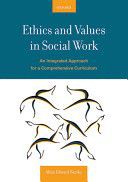
In a unique and student-friendly package, Ethics and Values in Social Work offers a series of learning modules that will ensure graduates receive a comprehensive ethics and values education. Designed to be easily incorporated into any curriculum, each module helps students integrate the knowledge, skills, self-awareness, and critical thinking abilities required for dealing with ethical issues. From applying basic ethical standards of practice to managing complex ethical dilemmas, this textbook equips readers with a range of tools and strategies for responding to ethical questions and concerns. Traditional ethics textbooks provide students with a model for ethical decision making. This breakthrough textbook goes beyond ethical decision making by providing students with a strategic framework for managing ethical issues that includes guidelines for engaging others in ethical discussions and using conflict resolution theory to promote collaborative solutions. Some textbooks introduce students to ethical theories, such as deontology, teleology, and virtue ethics. This textbook goes beyond describing these theories by providing students with opportunities to apply, compare, and contrast these approaches as they relate to various contexts of social work practice. A wealth of case scenarios, discussion questions, and role-play exercises make this an engaging, thought-provoking teaching and learning tool. At a basic level, this textbook teaches students the essential principles and standards that define ethical practice. At a more profound level, Ethics and Values in Social Work inspires students to reach for the highest values of profession: service, dignity and worth of the person, human relationships, integrity, competence, social justice, human rights, and scientific inquiry. Format and contents help social work programs meet and exceed CSWE accreditation standards, providing a clear structure for integrating ethics and values content throughout foundation and advanced courses The six-stage framework for managing ethical issues provides a range of tools and strategies for identifying, analyzing, and responding to ethical problems, dilemmas, and breaches A developmental approach to learning ethics supports students in engaging in higher levels of understanding, abstraction, application, and synthesis of ethics material Experiential exercises prepare students for managing the ethical and values issues that may arise in field placements Fun, engaging activities encourage students to reflect, question, and apply theory to practice Thought-provoking and reality-based case examples illustrate thorny ethical issues that professionals may encounter, ranging from end-of-life decision making to boundary crossings to rationing resources during a national crisis
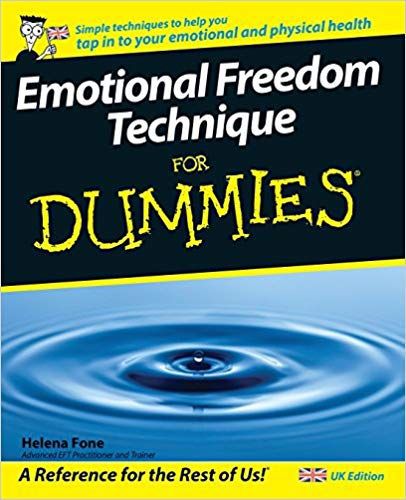
A member of the Energy Therapies family – which includes, acupuncture, acupressure and shiatsu – Emotional Freedom Technique is a simple and increasingly popular self- development therapy used to treat a wide range of physical and emotional issues. Popularised by figures including Paul McKenna, EFT is based on the theory that negative emotions are caused by disturbances in the body’s energy. Often referred to as acupuncture without needles, EFT involves locating and tapping on meridian points in the body while thinking of a negative emotion and using positive suggestion and thoughts to alter the body’s energy flow, restore balance and reprogram thought processes. This no-nonsense guide introduces readers to the theories and methods behind the technique and shows them how to use it to reduce the physical and emotional impact of a wide range of issues including, depression, fears, phobias, anger, addictions, sleeplessness and pain. It’s simple, safe, anyone can practice it at home and with EFT For Dummies readers can banish bad habits for good. Includes information on: The path to emotional freedom – explaining EFT Understanding your emotions Basic EFT tapping routines Improving emotional health with EFT Practising EFT on yourself and others Helena Fone is a registered EFT practitioner and trainer and an advanced hypnotherapist. She has a diploma in advanced holistic hypnotherapy and practices CBT and NLP. Find out more about Helena at www.EFTRegister.com
ما از اخلاق چه انتظاری داریم؟ این سوال شاید تاحدودی برای عموم مردم و یا متخصصان این رشته قابل پاسخ باشد؛ اینکه خوب بودن را به ما بیاموزد و در تنظیم روابط فردی م...

جشن کتاب تهران به ایستگاه سی و یکم رسیده است. حال و احوال نشر کتاب خوب نیست و باید فرهنگدوستان را به خرید و هدیه دادن کتاب ترغیب نمود. خانه اخلاقپژوهان جوان ب...

بنیاد کتابهای اخلاق اسلامی عمدتا پالایش جان از آلودگیها و آراستن آن به زیباییها است. اندیشه محوری این قبیل کتابها آن است که انسان فعلی آنی نیست که باید باشد...

-
0 Comments