Notice: تابع WP_Block_Type_Registry::register به طورنادرست فراخوانی شد. نامهای نوع بلوک نباید حروف بزرگ داشته باشند. لطفاً برای اطلاعات بیشتر، اشکال زدایی در وردپرس را مشاهده کنید. (این پیام در نگارش 5.0.0 افزوده شده است.) in /home/ethicsho/public_html/wp-includes/functions.php on line 5313
Warning: Use of undefined constant TDC_PATH_LEGACY - assumed 'TDC_PATH_LEGACY' (this will throw an Error in a future version of PHP) in /home/ethicsho/public_html/wp-content/plugins/td-composer/td-composer.php on line 109
Warning: Use of undefined constant TDSP_THEME_PATH - assumed 'TDSP_THEME_PATH' (this will throw an Error in a future version of PHP) in /home/ethicsho/public_html/wp-content/plugins/td-composer/td-composer.php on line 113 بایگانیهای 9780195342062 - خانه اخلاق پژوهان جوان Notice: Trying to access array offset on value of type bool in /home/ethicsho/public_html/wp-content/plugins/wp-ulike/inc/general-functions.php on line 807
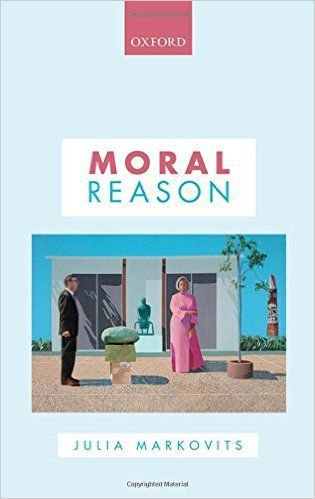
Julia Markovits develops a desire-based, internalist account of what normative reasons are-an account which is compatible with the idea that moral reasons can apply to all of us, regardless of our desires. She builds on Kant’s formula of humanity to defend universal moral reasons, and addresses the age-old question of why we should be moral.
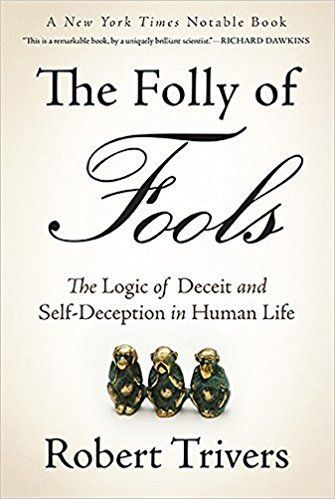
Whether it’s in a cockpit at takeoff or the planning of an offensive war, a romantic relationship or a dispute at the office, there are many opportunities to lie and self-deceive?but deceit and self-deception carry the costs of being alienated from reality and can lead to disaster. So why does deception play such a prominent role in our everyday lives? In short, why do we deceive? In his bold new work, prominent biological theorist Robert Trivers unflinchingly argues that self-deception evolved in the service of deceit?the better to fool others. We do it for biological reasons?in order to help us survive and procreate. From viruses mimicking host behavior to humans misremembering (sometimes intentionally) the details of a quarrel, science has proven that the deceptive one can always outwit the masses. But we undertake this deception at our own peril. Trivers has written an ambitious investigation into the evolutionary logic of lying and the costs of leaving it unchecked.
This unique introduction to comparative philosophy brings together Chinese, Indian, and Western philosophers of roughly the same sort, of comparable stature, on the same philosophical topics and issues. Discussions are arranged in traditional clusters — logic, epistemology, metaphysics, ethics, and social and political philosophy. Compares equals to equals — logicians with logicians, metaphysicians with metaphysicians, ethicists with ethicists — e.g., compares Indian, Chinese and Western empiricists, utilitarians, hedonists, egoists, atheists, theists, monists, pluralists, idealists, materialists, dualists, skeptics, relativists, political realists, etc. Treats the strictly philosophical arguments as roughly similar across cultures, but presents the larger cultural contexts in which they occur as considerably different. For anyone interested in comparative philosophy.
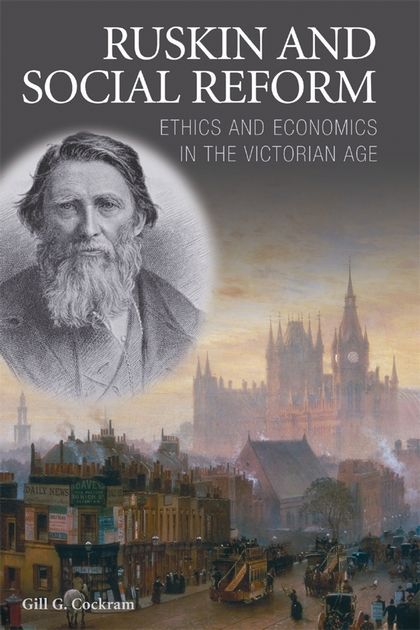
In the first book to analyze the form and influence of Ruskin’s social theory, Gill Cockram looks at Ruskin’s significant contribution to social and intellectual thought in the late 19th and early 20th centuries. In a field often overlooked by 19th century historians, ‘Ruskin and Social Reform’ clarifies for the first time how Ruskin’s social theory was disseminated to a much wider readership than was evident in the mid-nineteenth century and how it was that Ruskin achieved great prominence as a social philosopher. Cockram examines the chronological development of Ruskin’s thought and establishes the extent of his influence among the nascent labour movement. It was the support of a thinker as original and as unconventional as Ruskin that helped to challenge the laissez-faire conformities of classical economics and launched the quest to find a more ethical and humane basis for social policy-making.
ما از اخلاق چه انتظاری داریم؟ این سوال شاید تاحدودی برای عموم مردم و یا متخصصان این رشته قابل پاسخ باشد؛ اینکه خوب بودن را به ما بیاموزد و در تنظیم روابط فردی م...

جشن کتاب تهران به ایستگاه سی و یکم رسیده است. حال و احوال نشر کتاب خوب نیست و باید فرهنگدوستان را به خرید و هدیه دادن کتاب ترغیب نمود. خانه اخلاقپژوهان جوان ب...

بنیاد کتابهای اخلاق اسلامی عمدتا پالایش جان از آلودگیها و آراستن آن به زیباییها است. اندیشه محوری این قبیل کتابها آن است که انسان فعلی آنی نیست که باید باشد...

-
0 Comments