Notice: تابع WP_Block_Type_Registry::register به طورنادرست فراخوانی شد. نامهای نوع بلوک نباید حروف بزرگ داشته باشند. لطفاً برای اطلاعات بیشتر، اشکال زدایی در وردپرس را مشاهده کنید. (این پیام در نگارش 5.0.0 افزوده شده است.) in /home/ethicsho/public_html/wp-includes/functions.php on line 5313
Warning: Use of undefined constant TDC_PATH_LEGACY - assumed 'TDC_PATH_LEGACY' (this will throw an Error in a future version of PHP) in /home/ethicsho/public_html/wp-content/plugins/td-composer/td-composer.php on line 109
Warning: Use of undefined constant TDSP_THEME_PATH - assumed 'TDSP_THEME_PATH' (this will throw an Error in a future version of PHP) in /home/ethicsho/public_html/wp-content/plugins/td-composer/td-composer.php on line 113 بایگانیهای 9780195168655 - خانه اخلاق پژوهان جوان Notice: Trying to access array offset on value of type bool in /home/ethicsho/public_html/wp-content/plugins/wp-ulike/inc/general-functions.php on line 807
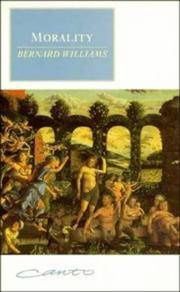
Bernard Williams s remarkable essay on morality confronts the problems of writing moral philosophy, and offers a stimulating alternative to more systematic accounts which seem nevertheless to have left all the important issues somewhere off the page. Williams explains, analyses and distinguishes a number of key positions, from the purely amoral to notions of subjective or relative morality, testing their coherence before going on to explore the nature of goodness in relation to responsibilities and choice, roles, standards, and human nature. The final chapters make a fascinating enquiry into what morality is about, looking beyond happiness to other human aims and ideals. This re-issue of a classic in moral philosophy includes a new foreword by the author.
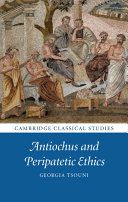
This book offers a fresh analysis of the account of Peripatetic ethics in Cicero’s On Ends 5, which goes back to the first-century BCE philosopher Antiochus of Ascalon. Georgia Tsouni challenges previous characterisations of Antiochus’ philosophical project as ‘eclectic’ and shows how his reconstruction of the ethics of the ‘Old Academy’ demonstrates a careful attempt to update the ancient heritage, and predominantly the views of Aristotle and the Peripatos, in the light of contemporary Stoic-led debates. This results in both a hermeneutically complex and a philosophically exciting reading of the old tradition. A case in point is the way Antiochus grounds the ‘Old Academic’ conception of the happy life in natural appropriation (oikeiosis), thus offering a naturalistic version of Aristotelian ethics.
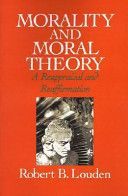
Contemporary philosophers have grown increasingly skeptical toward both morality and moral theory. Some argue that moral theory is a radically misguided enterprise that does not illuminate moral practice, while others simply deny the value of morality in human life. In this important new book, Louden responds to the arguments of both “anti-morality” and “anti-theory” skeptics. In Part One, he develops and defends an alternative conception of morality, which, he argues, captures more of the central features of both Aristotelian and Kantian ethics than do other contemporary models, and enables the central importance of morality to be convincingly reaffirmed. In Louden’s model, morality is primarily a matter of what one does to oneself, rather than what one does or does not do to others. This model eliminates the gulf that many anti-morality critics say exists between morality’s demands and the personal point of view. Louden further argues that morality’s primary focus should be on agents and their lives, rather than on right actions, and that it is always better to be morally better–i.e. it is impossible to be “too moral.” Part Two presents Louden’s alternative conception of moral theory. Here again he draws on the work of Aristotle and Kant, showing that their moral theories have far more in common than is usually thought, and that those features that they share can be the basis for a viable moral theory that is immune to the standard anti-theory objections. Louden reaffirms the necessity and importance of moral theory in human life, and shows that moral theories fulfill a variety of genuine and indispensable human needs.
ما از اخلاق چه انتظاری داریم؟ این سوال شاید تاحدودی برای عموم مردم و یا متخصصان این رشته قابل پاسخ باشد؛ اینکه خوب بودن را به ما بیاموزد و در تنظیم روابط فردی م...

جشن کتاب تهران به ایستگاه سی و یکم رسیده است. حال و احوال نشر کتاب خوب نیست و باید فرهنگدوستان را به خرید و هدیه دادن کتاب ترغیب نمود. خانه اخلاقپژوهان جوان ب...

بنیاد کتابهای اخلاق اسلامی عمدتا پالایش جان از آلودگیها و آراستن آن به زیباییها است. اندیشه محوری این قبیل کتابها آن است که انسان فعلی آنی نیست که باید باشد...

-
0 Comments