Notice: تابع WP_Block_Type_Registry::register به طورنادرست فراخوانی شد. نامهای نوع بلوک نباید حروف بزرگ داشته باشند. لطفاً برای اطلاعات بیشتر، اشکال زدایی در وردپرس را مشاهده کنید. (این پیام در نگارش 5.0.0 افزوده شده است.) in /home/ethicsho/public_html/wp-includes/functions.php on line 5313
Warning: Use of undefined constant TDC_PATH_LEGACY - assumed 'TDC_PATH_LEGACY' (this will throw an Error in a future version of PHP) in /home/ethicsho/public_html/wp-content/plugins/td-composer/td-composer.php on line 109
Warning: Use of undefined constant TDSP_THEME_PATH - assumed 'TDSP_THEME_PATH' (this will throw an Error in a future version of PHP) in /home/ethicsho/public_html/wp-content/plugins/td-composer/td-composer.php on line 113 بایگانیهای 978-92-9223-316-7 - خانه اخلاق پژوهان جوان Notice: Trying to access array offset on value of type bool in /home/ethicsho/public_html/wp-content/plugins/wp-ulike/inc/general-functions.php on line 807
Challenging, with several powerful arguments, some of our deepest beliefs about rationality, morality, and personal identity, Parfit claims that we have a false view about our own nature. It is often rational to act against our own best interests, he argues, and most of us have moral views that are self-defeating. We often act wrongly, although we know there will be no one with serious grounds for complaint, and when we consider future generations it is very hard to avoid conclusions that most of us will find very disturbing.
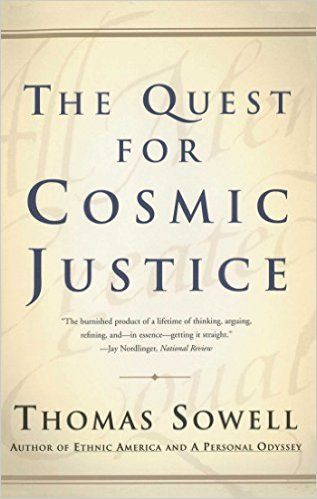
This is not a comforting book — it is a book about disturbing issues that are urgently important today and enduringly critical for the future. It rejects both “merit” and historical redress as principles for guiding public policy. It shows how “peace” movements have led to war and to needless casualties in those wars. It argues that “equality” is neither right nor wrong, but meaningless.The Quest for Cosmic Justice shows how confused conceptions of justice end up promoting injustice, how confused conceptions of equality end up promoting inequality, and how the tyranny of social visions prevents many people from confronting the actual consequences of their own beliefs and policies. Those consequences include the steady and dangerous erosion of the fundamental principles of freedom — and the quiet repeal of the American revolution.
Moral Development Theories–Secular and Religious introduces readers to 13 secular models and 13 religious theories in a wide-ranging comparative study of the roots of moral development. The secular models include attribution theory, cognitive-structural views, social-learning and social-cognition approaches, Freud’s psychoanalysis (plus Erikson and Fromm), Marxist beliefs, a composite theory, Hoffman’s conception of empathy, Anderson’s information-integration view, Gilligan’s gender distinction, Sutherland and Cressey’s explanation of delinquency, and Lovinger on ego development. Religious theories represent the Judaic-Christian-Islamic line, Hinduism and derivatives (Buddhism, Jainism, Sikhism), Confucianism, Shinto, and four minor theories drawn from the belief systems of the Navajo, Zulus, Vodou adherents, and Okinawans.
ما از اخلاق چه انتظاری داریم؟ این سوال شاید تاحدودی برای عموم مردم و یا متخصصان این رشته قابل پاسخ باشد؛ اینکه خوب بودن را به ما بیاموزد و در تنظیم روابط فردی م...

جشن کتاب تهران به ایستگاه سی و یکم رسیده است. حال و احوال نشر کتاب خوب نیست و باید فرهنگدوستان را به خرید و هدیه دادن کتاب ترغیب نمود. خانه اخلاقپژوهان جوان ب...

بنیاد کتابهای اخلاق اسلامی عمدتا پالایش جان از آلودگیها و آراستن آن به زیباییها است. اندیشه محوری این قبیل کتابها آن است که انسان فعلی آنی نیست که باید باشد...

-
0 Comments