Notice: تابع WP_Block_Type_Registry::register به طورنادرست فراخوانی شد. نامهای نوع بلوک نباید حروف بزرگ داشته باشند. لطفاً برای اطلاعات بیشتر، اشکال زدایی در وردپرس را مشاهده کنید. (این پیام در نگارش 5.0.0 افزوده شده است.) in /home/ethicsho/public_html/wp-includes/functions.php on line 5313
Warning: Use of undefined constant TDC_PATH_LEGACY - assumed 'TDC_PATH_LEGACY' (this will throw an Error in a future version of PHP) in /home/ethicsho/public_html/wp-content/plugins/td-composer/td-composer.php on line 109
Warning: Use of undefined constant TDSP_THEME_PATH - assumed 'TDSP_THEME_PATH' (this will throw an Error in a future version of PHP) in /home/ethicsho/public_html/wp-content/plugins/td-composer/td-composer.php on line 113 بایگانیهای 1583605568 - خانه اخلاق پژوهان جوان Notice: Trying to access array offset on value of type bool in /home/ethicsho/public_html/wp-content/plugins/wp-ulike/inc/general-functions.php on line 807
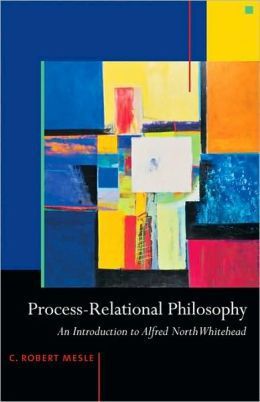
Process-Relational Philosophy provides a basic introduction to Alfred North Whitehead’s Process and Reality, the vision that underlies much of contemporary process philosophy, theology, political theory, educational theory, and the religion-science dialogue. A companion volume to the author’s acclaimed Process Theology: A Basic Introduction, it shows the way beyond both reductive materialism and the traps of Cartesian dualism to a world of continual process and becoming, where each person relates to every other and to all of nature.
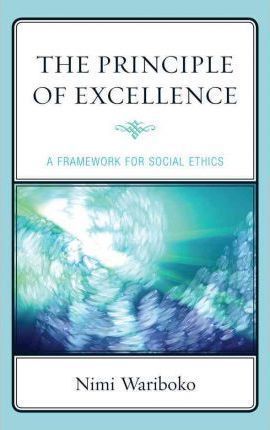
In The Principle of Excellence, Nimi Wariboko deconstructs the traditional, depoliticized meaning of virtue, providing a thorough reading of the debates, conceptual struggles, and ambiguities used by virtue ethicists to produce today’s conception of excellence. He presents a new meaning of excellence, explaining the ways communities can use excellence as the organizing principle for their political and economic development, and exploring how large-scale modern societies can be better administered in environments characterized by contingency and possibilities.
The Common Good and Christian Ethics rethinks the ancient tradition of the common good in a way that addresses contemporary social divisions, both urban and global. David Hollenbach draws on social analysis, moral philosophy, and theological ethics to chart new directions in both urban life and global society. He argues that the division between the middle class and the poor in major cities and the challenges of globalisation require a new commitment to the common good and that both believers and secular people must move towards new forms of solidarity.
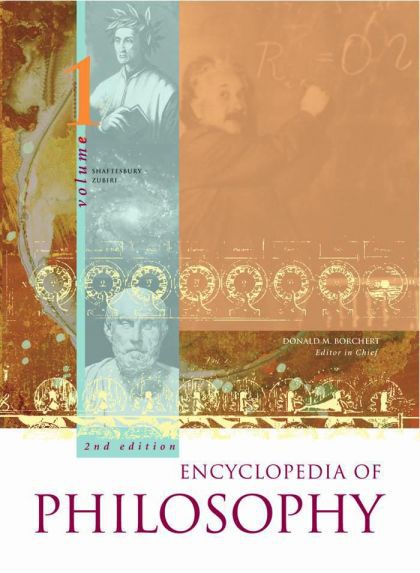
Containing material from hundreds of highly distinguished contributors representing the world’s top universities and institutions, the second edition has a truly global perspective. It contains more than 2,100 entries — including more than 450 new articles. Among the many topics covered are African, Islamic, Jewish, Russian, Chinese, and Buddhist philosophies; bioethics and biomedical ethics; art and aesthetics; epistemology; metaphysics; peace and war; social and political philosophy; the Holocaust; feminist thought; and much more. Additionally, the second edition also features 1,000 biographical entries on major figures in philosophical thought throughout history.
ما از اخلاق چه انتظاری داریم؟ این سوال شاید تاحدودی برای عموم مردم و یا متخصصان این رشته قابل پاسخ باشد؛ اینکه خوب بودن را به ما بیاموزد و در تنظیم روابط فردی م...

جشن کتاب تهران به ایستگاه سی و یکم رسیده است. حال و احوال نشر کتاب خوب نیست و باید فرهنگدوستان را به خرید و هدیه دادن کتاب ترغیب نمود. خانه اخلاقپژوهان جوان ب...

بنیاد کتابهای اخلاق اسلامی عمدتا پالایش جان از آلودگیها و آراستن آن به زیباییها است. اندیشه محوری این قبیل کتابها آن است که انسان فعلی آنی نیست که باید باشد...

-
0 Comments