Notice: تابع WP_Block_Type_Registry::register به طورنادرست فراخوانی شد. نامهای نوع بلوک نباید حروف بزرگ داشته باشند. لطفاً برای اطلاعات بیشتر، اشکال زدایی در وردپرس را مشاهده کنید. (این پیام در نگارش 5.0.0 افزوده شده است.) in /home/ethicsho/public_html/wp-includes/functions.php on line 5313
Warning: Use of undefined constant TDC_PATH_LEGACY - assumed 'TDC_PATH_LEGACY' (this will throw an Error in a future version of PHP) in /home/ethicsho/public_html/wp-content/plugins/td-composer/td-composer.php on line 109
Warning: Use of undefined constant TDSP_THEME_PATH - assumed 'TDSP_THEME_PATH' (this will throw an Error in a future version of PHP) in /home/ethicsho/public_html/wp-content/plugins/td-composer/td-composer.php on line 113 بایگانیهای 1-882926-36-6 1 - خانه اخلاق پژوهان جوان Notice: Trying to access array offset on value of type bool in /home/ethicsho/public_html/wp-content/plugins/wp-ulike/inc/general-functions.php on line 807
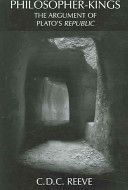
A reprint of the Princeton University Press edition of 1988. Reeve’s classic work provides an interpretation of Republic that makes a case for the coherence of Plato’s argument.
This book provides a novel formulation and defence of moral error theory. It also provides a novel solution to the so-called now what question; viz., the question what we should do with our moral thought and talk after moral error theory. The novel formulation of moral error theory uses pragmatic presupposition rather than conceptual entailment to argue that moral judgments carry a non-negotiable commitment to categorical moral reasons. The new answer to the now what question is pragmatic presupposition substitutionism: we should substitute our current moral judgments, which pragmatically presuppose the existence of categorical moral reasons with ‘schmoral’ judgments that pragmatically presuppose the existence of a specific class of prudential reasons. These are prudential reasons that, when we act on them, contribute to the satisfaction of what the author calls ‘the fundamental desire’; namely, the desire to live in a world with mutually beneficial cooperation.
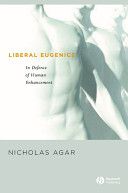
In this provocative book, philosopher Nicholas Agar defends the idea that parents should be allowed to enhance their children’s characteristics.Gets away from fears of a Huxleyan ‘Brave New World’ or a return to the fascist eugenics of the past. Written from a philosophically and scientifically informed point of view. Considers real contemporary cases of parents choosing what kind of child to have. Uses ‘moral images’ as a way to get readers with no background in philosophy to think about moral dilemmas. Provides an authoritative account of the science involved, making the book suitable for readers with no knowledge of genetics. Creates a moral framework for assessing all new technologies.
This work describes the shape of a Christian ethic that arises from a conversation between accounts of natural law theory narrative and virtue ethics; and an insistence that a Christian ethic begin with a Christian description of reality.
ما از اخلاق چه انتظاری داریم؟ این سوال شاید تاحدودی برای عموم مردم و یا متخصصان این رشته قابل پاسخ باشد؛ اینکه خوب بودن را به ما بیاموزد و در تنظیم روابط فردی م...

جشن کتاب تهران به ایستگاه سی و یکم رسیده است. حال و احوال نشر کتاب خوب نیست و باید فرهنگدوستان را به خرید و هدیه دادن کتاب ترغیب نمود. خانه اخلاقپژوهان جوان ب...

بنیاد کتابهای اخلاق اسلامی عمدتا پالایش جان از آلودگیها و آراستن آن به زیباییها است. اندیشه محوری این قبیل کتابها آن است که انسان فعلی آنی نیست که باید باشد...

-
0 Comments