Notice: تابع WP_Block_Type_Registry::register به طورنادرست فراخوانی شد. نامهای نوع بلوک نباید حروف بزرگ داشته باشند. لطفاً برای اطلاعات بیشتر، اشکال زدایی در وردپرس را مشاهده کنید. (این پیام در نگارش 5.0.0 افزوده شده است.) in /home/ethicsho/public_html/wp-includes/functions.php on line 5313
Warning: Use of undefined constant TDC_PATH_LEGACY - assumed 'TDC_PATH_LEGACY' (this will throw an Error in a future version of PHP) in /home/ethicsho/public_html/wp-content/plugins/td-composer/td-composer.php on line 109
Warning: Use of undefined constant TDSP_THEME_PATH - assumed 'TDSP_THEME_PATH' (this will throw an Error in a future version of PHP) in /home/ethicsho/public_html/wp-content/plugins/td-composer/td-composer.php on line 113 بایگانیهای 1-85728-074-1 - خانه اخلاق پژوهان جوان Notice: Trying to access array offset on value of type bool in /home/ethicsho/public_html/wp-content/plugins/wp-ulike/inc/general-functions.php on line 807
Explore central questions in moral philosophy with HOW SHOULD WE LIVE? With a focus on the question of why or how we should be moral in a time plagued by relativism, this philosophy text covers the three most seminal ethical theories: utilitarianism, deontology, and virtue-based ethics. End of chapter discussion questions and bibliography assist you in contemplating the most central issues encountered in the text and in pursuing additional research.
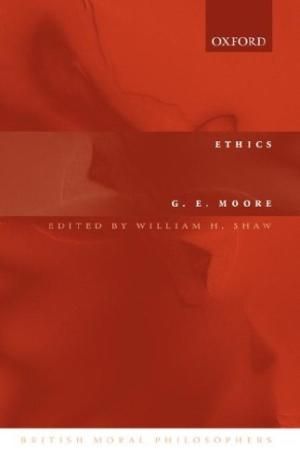
Short but philosophically rich, and written with impressive precision and intellectual candour, ‘Ethics’ is a minor classic which repays careful study. This edition includes Moore’s essay ‘The Nature of Moral Philosophy’ as well as editorial notes, an introduction, and a guide to further reading.
Postmodernism has had a significant and divisive impact on late-Twentieth Century thought. Proponents of the postmodernist critique of absolute knowledge have felt it necessary to jettison the Enlightenment concepts of truth, reason and the self. Opponents of postmodernism have seized on this abandonment of rational standards only to ignore the very real problems raised by the postmodernists. Michael Luntley provides a lively introduction to debate and offers a clear and careful exposition of how rational debate can survive even if the main postmodernist critique of the Enlightenment is accepted.Reason, Truth and Selfcovers many of the key questions of our age: the rationality of science; the availability of rational but non-scientific ways of understanding ourselves and our world; the nature of mind and of knowledge; the nature of moral judgement and the scope for accounts of the self that do justice to our situatedness in real historical circumstances.
Wide-ranging and ambitious, Justice combines moral philosophy and Christian ethics to develop an important theory of rights and of justice as grounded in rights. Nicholas Wolterstorff discusses what it is to have a right, and he locates rights in the respect due the worth of the rights-holder. After contending that socially-conferred rights require the existence of natural rights, he argues that no secular account of natural human rights is successful; he offers instead a theistic account. Wolterstorff prefaces his systematic account of justice as grounded in rights with an exploration of the common claim that rights-talk is inherently individualistic and possessive. He demonstrates that the idea of natural rights originated neither in the Enlightenment nor in the individualistic philosophy of the late Middle Ages, but was already employed by the canon lawyers of the twelfth century. He traces our intuitions about rights and justice back even further, to Hebrew and Christian scriptures. After extensively discussing justice in the Old Testament and the New, he goes on to show why ancient Greek and Roman philosophy could not serve as a framework for a theory of rights. Connecting rights and wrongs to God’s relationship with humankind, Justice not only offers a rich and compelling philosophical account of justice, but also makes an important contribution to overcoming the present-day divide between religious discourse and human rights.
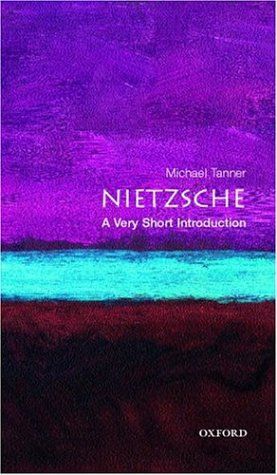
The philosophy of Friedrich Nietzsche (1844-1900) was almost wholly neglected during his sane life, which came to an abrupt end in 1889. Since then he has been appropriated as an icon by an astonishingly diverse spectrum of people, whose interpretations of his thought range from the highly irrational to the firmly analytical. Thus Spoke Zarathustra introduced the ‘superman’ and The Twilight of the Idols developed the ‘Will to Power’ concept; these term, together with ‘Sklavenmoral’ and ‘Herrenmoral’, became confused with the rise of nationalism in Germany. Idiosyncratic and aphoristic, Nietzsche is always bracing and provocative, and temptingly easy to dip into. Michael Tanner’s readable introduction to the philosopher’s life and work examines the numerous ambiguities inherent in his writings. It also explodes the many misconceptions fostered in the hundred years since Nietzsche wrote, prophetically: ‘Do not, above all, confound me with what I am not!’
ما از اخلاق چه انتظاری داریم؟ این سوال شاید تاحدودی برای عموم مردم و یا متخصصان این رشته قابل پاسخ باشد؛ اینکه خوب بودن را به ما بیاموزد و در تنظیم روابط فردی م...

جشن کتاب تهران به ایستگاه سی و یکم رسیده است. حال و احوال نشر کتاب خوب نیست و باید فرهنگدوستان را به خرید و هدیه دادن کتاب ترغیب نمود. خانه اخلاقپژوهان جوان ب...

بنیاد کتابهای اخلاق اسلامی عمدتا پالایش جان از آلودگیها و آراستن آن به زیباییها است. اندیشه محوری این قبیل کتابها آن است که انسان فعلی آنی نیست که باید باشد...

-
0 Comments