Notice: تابع WP_Block_Type_Registry::register به طورنادرست فراخوانی شد. نامهای نوع بلوک نباید حروف بزرگ داشته باشند. لطفاً برای اطلاعات بیشتر، اشکال زدایی در وردپرس را مشاهده کنید. (این پیام در نگارش 5.0.0 افزوده شده است.) in /home/ethicsho/public_html/wp-includes/functions.php on line 5313
Warning: Use of undefined constant TDC_PATH_LEGACY - assumed 'TDC_PATH_LEGACY' (this will throw an Error in a future version of PHP) in /home/ethicsho/public_html/wp-content/plugins/td-composer/td-composer.php on line 109
Warning: Use of undefined constant TDSP_THEME_PATH - assumed 'TDSP_THEME_PATH' (this will throw an Error in a future version of PHP) in /home/ethicsho/public_html/wp-content/plugins/td-composer/td-composer.php on line 113 بایگانیهای 0385468431 - خانه اخلاق پژوهان جوان Notice: Trying to access array offset on value of type bool in /home/ethicsho/public_html/wp-content/plugins/wp-ulike/inc/general-functions.php on line 807
Examining the emergence and development of legal positivism as a distinctive and particularly powerful tradition in legal thought, this book places particular emphasis on its relationship to traditional understandings of the common law and on forms of idealism. The focus throughout is on the consequences positivism holds for the idea of the rule of law and of law’s role in maintaining (and perhaps creating) conditions of stable social order. The book examines the shifts in thinking about the rule of law and the wider significance of law, brought about by changing conceptions of the nature of law: from an understanding of law in which the primary focus is on rights, to an articulation of the legal order as a body of deliberately posited rules and, finally, to an understanding of law as a corpus of systematic rules and principles, underpinned by an abiding concern with individual rights.
Addictive thought is inherently self-deceptive, yet offers a superficial logic that can be misleading to the addict as well as to the addict’s family members.Abnormal thinking in addiction was originally recognized by members of Alcoholics Anonymous, who coined the term “stinking thinking.” Addictive thinking often appears rational, but only on a superficial level. Addicts, as well as their family members, are easily seduced by the attendant–and erroneous–reasoning process it can foster. In Addictive Thinking, author Abraham Twerski reveals how self-deceptive thought can undermine self-esteem and threaten the sobriety of a recovering individual. This timely revision of the original classic includes updated information and research on depression and affective disorders, the relationship between addictive thinking and relapse, and the origins of addictive thought. Ultimately, Addictive Thinking offers hope to those seeking a healthy and rewarding life in recovery. Dr. Twerski is founder and medical director of the Gateway Rehabilitation Center in Pittsburgh, Pennsylvania. A rabbi, psychiatrist, and chemical dependency counselor, he is the author of numerous journal articles and books including Self Discovery in Recovery, I Didn’t Ask to be in This Family: Sibling Relationships and How They Shame Adult Behavior and Dependencies, and with “Peanuts” cartoonist Charles Schulz, When Do the Good Things Start?
In this book John Kekes examines the indispensable role enjoyment plays in a good life. The key to it is the development of a style of life that combines an attitude and a manner of living and acting that jointly express one’s deepest concerns. Since such styles vary with characters and circumstances, a reasonable understanding of them requires attending to the particular and concrete details of individual lives. Reflection on works of literature is a better guide to this kind of understanding than the futile search for general theories and principles that preoccupies much of contemporary moral thought. Enjoyment proceeds by the detailed examination of particular cases, shows how this kind of reflection can be reasonably conducted, and how the quest for universality and impartiality is misguided in this context. Central to the argument is a practical, particular, pluralistic, and yet objective conception of reason that rejects the pervasive contemporary tendency to regard reasons as good only if they are binding on all who aspire to live reasonably and morally. Reason in morality is neither theoretical nor general. Reasons for living and acting in particular ways are individually variable and none the worse for that. Kekes aims to reorient moral thought from deontological, contractarian, and consequentialist preoccupations toward a reasonable but pluralistic reflection on what individuals can do to make their lives better.
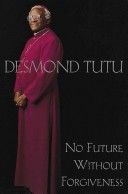
“The Truth and Reconciliation Commission of South Africa has put the spotlight on all of us…In its hearings Desmond Tutu has conveyed our common pain and sorrow, our hope and confidence in the future.” –Nelson Mandela The establishment of South Africa’s Truth and Reconciliation Commission was a pioneering international event. Never had any country sought to move forward from despotism to democracy both by exposing the atrocities committed in the past and achieving reconciliation with its former oppressors. At the center of this unprecedented attempt at healing a nation has been Archbishop Desmond Tutu, whom President Nelson Mandela named as Chairman of the Truth and Reconciliation Commission. With the final report of the Commission just published, Archbishop Tutu offers his reflections on the profound wisdom he has gained by helping usher South Africa through this painful experience. InNo Future Without Forgiveness, Tutu argues that true reconciliation cannot be achieved by denying the past. But nor is it easy to reconcile when a nation “looks the beast in the eye.” Rather than repeat platitudes about forgiveness, he presents a bold spirituality that recognizes the horrors people can inflict upon one another, and yet retains a sense of idealism about reconciliation. With a clarity of pitch born out of decades of experience, Tutu shows readers how to move forward with honesty and compassion to build a newer and more humane world.
ما از اخلاق چه انتظاری داریم؟ این سوال شاید تاحدودی برای عموم مردم و یا متخصصان این رشته قابل پاسخ باشد؛ اینکه خوب بودن را به ما بیاموزد و در تنظیم روابط فردی م...

جشن کتاب تهران به ایستگاه سی و یکم رسیده است. حال و احوال نشر کتاب خوب نیست و باید فرهنگدوستان را به خرید و هدیه دادن کتاب ترغیب نمود. خانه اخلاقپژوهان جوان ب...

بنیاد کتابهای اخلاق اسلامی عمدتا پالایش جان از آلودگیها و آراستن آن به زیباییها است. اندیشه محوری این قبیل کتابها آن است که انسان فعلی آنی نیست که باید باشد...

-
0 Comments