Notice: تابع WP_Block_Type_Registry::register به طورنادرست فراخوانی شد. نامهای نوع بلوک نباید حروف بزرگ داشته باشند. لطفاً برای اطلاعات بیشتر، اشکال زدایی در وردپرس را مشاهده کنید. (این پیام در نگارش 5.0.0 افزوده شده است.) in /home/ethicsho/public_html/wp-includes/functions.php on line 5313
Warning: Use of undefined constant TDC_PATH_LEGACY - assumed 'TDC_PATH_LEGACY' (this will throw an Error in a future version of PHP) in /home/ethicsho/public_html/wp-content/plugins/td-composer/td-composer.php on line 109
Warning: Use of undefined constant TDSP_THEME_PATH - assumed 'TDSP_THEME_PATH' (this will throw an Error in a future version of PHP) in /home/ethicsho/public_html/wp-content/plugins/td-composer/td-composer.php on line 113 بایگانیهای 0312128681 - خانه اخلاق پژوهان جوان Notice: Trying to access array offset on value of type bool in /home/ethicsho/public_html/wp-content/plugins/wp-ulike/inc/general-functions.php on line 807
This book presents and argues for a moral theory which draws on most of the major theoretical positions to some degree, but it also spells out the limits and boundaries of a moral theory. In doing so, it exposes a number of common confusions and misunderstandings about morality, and presents a strong argument for some indisputable truths in relation to the moral sphere. Divided into four parts, the book covers the key issues within moral philosophy: Part 1 provides a lucid and powerful account of the nature and limits of moral theory, sharply distinguishing it from religion Part 2 outlines a positive moral theory by exploring the defining principles of morality and the reasons for being moral Part 3 distinguishes moral values from others such as ecological, health and safety and sexual values Part 4 is concerned with the implications of our moral understanding for moral education While this book concentrateson argument and ideas, a commentary to each chapter provides historical context and contemporary reference points. It will prove an invaluable resource for students of both Education and Philosophy.
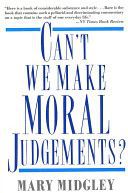
In this book, Mary Midgely turns a spotlight on the fashionable view that we no longer need or use moral judgements. She shows how the question of whether or not we can make moral judgements must inevitably affect our attitudes to the law and its institutions, but also to events that occur in our daily lives.
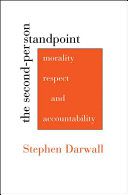
Why should we avoid doing moral wrong? The inability of philosophy to answer this question in a compelling manner–along with the moral skepticism and ethical confusion that ensue–result, Stephen Darwall argues, from our failure to appreciate the essentially interpersonal character of moral obligation. After showing how attempts to vindicate morality have tended to change the subject–falling back on nonmoral values or practical, first-person considerations–Darwall elaborates the interpersonal nature of moral obligations: their inherent link to our responsibilities to one another as members of the moral community.As Darwall defines it, the concept of moral obligation has an irreducibly second-person aspect; it presupposes our authority to make claims and demands on one another. And so too do many other central notions, including those of rights, the dignity of and respect for persons, and the very concept of person itself. The result is nothing less than a fundamental reorientation of moral theory that enables it at last to account for morality’s supreme authority–an account that Darwall carries from the realm of theory to the practical world of second-person attitudes, emotions, and actions.
ما از اخلاق چه انتظاری داریم؟ این سوال شاید تاحدودی برای عموم مردم و یا متخصصان این رشته قابل پاسخ باشد؛ اینکه خوب بودن را به ما بیاموزد و در تنظیم روابط فردی م...

جشن کتاب تهران به ایستگاه سی و یکم رسیده است. حال و احوال نشر کتاب خوب نیست و باید فرهنگدوستان را به خرید و هدیه دادن کتاب ترغیب نمود. خانه اخلاقپژوهان جوان ب...

بنیاد کتابهای اخلاق اسلامی عمدتا پالایش جان از آلودگیها و آراستن آن به زیباییها است. اندیشه محوری این قبیل کتابها آن است که انسان فعلی آنی نیست که باید باشد...

-
0 Comments