Notice: تابع WP_Block_Type_Registry::register به طورنادرست فراخوانی شد. نامهای نوع بلوک نباید حروف بزرگ داشته باشند. لطفاً برای اطلاعات بیشتر، اشکال زدایی در وردپرس را مشاهده کنید. (این پیام در نگارش 5.0.0 افزوده شده است.) in /home/ethicsho/public_html/wp-includes/functions.php on line 5313
Warning: Use of undefined constant TDC_PATH_LEGACY - assumed 'TDC_PATH_LEGACY' (this will throw an Error in a future version of PHP) in /home/ethicsho/public_html/wp-content/plugins/td-composer/td-composer.php on line 109
Warning: Use of undefined constant TDSP_THEME_PATH - assumed 'TDSP_THEME_PATH' (this will throw an Error in a future version of PHP) in /home/ethicsho/public_html/wp-content/plugins/td-composer/td-composer.php on line 113 بایگانیهای 0 335 21087 2 - خانه اخلاق پژوهان جوان Notice: Trying to access array offset on value of type bool in /home/ethicsho/public_html/wp-content/plugins/wp-ulike/inc/general-functions.php on line 807
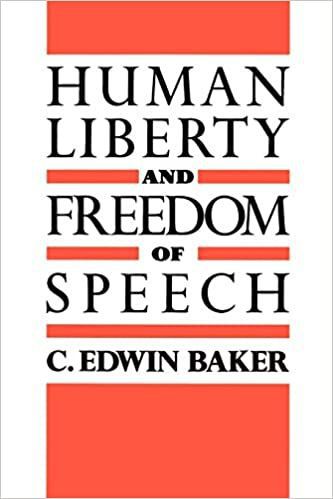
Although an inchoate liberty theory of freedom of speech has deep roots in Supreme Court decisions and political history, it has been overshadowed in judicial decisions and scholarly commentary by the marketplace of ideas theory. In this book, Baker critiques the assumptions required by the marketplace of ideas theory and develops the liberty theory, showing its philosophical soundness, persuasiveness, and ability to protect free speech. He argues that First Amendment liberty rights (as well as Fourteenth Amendment equality rights) required by political or moral theory are central to the possibility of progressive change. Problem areas are examined, including the question of whether individual political and civil rights can in principle be distinguished from property rights, freedom of the press, and the use of public spaces for expressive purposes.
This book is a wide-ranging examination of rationalist thought in philosophy from ancient times to the present day. Written by a superbly qualified cast of philosophers. Critically analyses the concept of rationalism. Focuses principally on the golden age of rationalism in the seventeenth and early eighteenth centuries. Also covers ancient rationalism, nineteenth-century rationalism, and rationalist themes in recent thought. Organised chronologically. Various philosophical methods and viewpoints are represented.
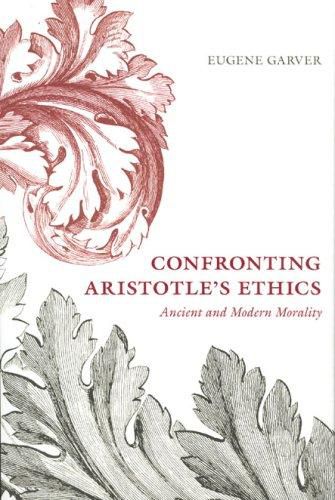
Book Summary of Confronting Aristotle’s Ethics: Ancient And Modern MoralityWhat is the good life? Posing this question today would likely elicit very different answers. Some might say that the good life means doing good?improving one?s community and the lives of others. Others might respond that it means doing well?cultivating one?s own abilities in a meaningful way. But for Aristotle these two distinct ideas?doing good and doing well?were one and the same and could be realized in a single life. In Confronting Aristotle?s Ethics, Eugene Garver examines how we can draw this conclusion from Aristotle’s works, while also studying how this conception of the good life relates to contemporary ideas ofmorality. The key to Aristotle?s views on ethics, argues Garver, lies in the Metaphysics or, more specifically, in his thoughts on activities, actions, and capacities. For Aristotle, Garver shows, it is only possible to be truly active when acting for the common good, and it is only possible to be truly happy when active to the extent of one?s own powers. But does this mean we should aspire to Aristotle?s impossibly demanding vision of the good life? In a word, no. Garver stresses the enormous gap between life in Aristotle?s time and ours. As a result, this book will be a welcome rumination on not only Aristotle, but the relationship between the individual and society in everyday life..
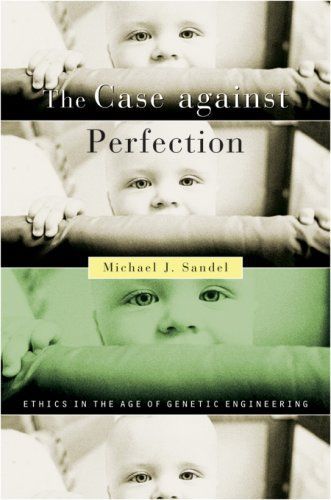
Producer: Heron & CraneBreakthroughs in genetics present us with a promise and a predicament. The promise is that we will soon be able to treat and prevent a host of debilitating diseases. The predicament is that our newfound genetic knowledge may enable us to manipulate our nature–to enhance our genetic traits and those of our children. Although most people find at least some forms of genetic engineering disquieting, it is not easy to articulate why. What is wrong with re-engineering our nature?The Case against Perfection explores these and other moral quandaries connected with the quest to perfect ourselves and our children. Michael Sandel argues that the pursuit of perfection is flawed for reasons that go beyond safety and fairness. The drive to enhance human nature through genetic technologies is objectionable because it represents a bid for mastery and dominion that fails to appreciate the gifted character of human powers and achievements. Carrying us beyond familiar terms of political discourse, this book contends that the genetic revolution will change the way philosophers discuss ethics and will force spiritual questions back onto the political agenda.In order to grapple with the ethics of enhancement, we need to confront questions largely lost from view in the modern world. Since these questions verge on theology, modern philosophers and political theorists tend to shrink from them. But our new powers of biotechnology make these questions unavoidable. Addressing them is the task of this book, by one of America’s preeminent moral and political thinkers.
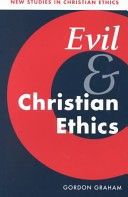
Genocide in Rwanda, multiple murder in Denver or Dunblane, the gruesome activities of serial killers–what makes these great evils, and why do they occur? In addressing such questions this book interconnects contemporary moral philosophy with recent work in New Testament scholarship. The conclusions to emerge are surprising. Gordon Graham argues that the inability of modernist thought to account satisfactorily for evil and its occurrence should not lead us to embrace an eclectic postmodernism, but to take seriously some unfashionable premodern conceptions–Satan, demonic possession, spiritual powers, cosmic battles. The book makes a powerful case for the rejection of humanism and naturalism, and for explaining the moral obligation to struggle against evil by reference to the New Testament’s cosmic narrative.
ما از اخلاق چه انتظاری داریم؟ این سوال شاید تاحدودی برای عموم مردم و یا متخصصان این رشته قابل پاسخ باشد؛ اینکه خوب بودن را به ما بیاموزد و در تنظیم روابط فردی م...

جشن کتاب تهران به ایستگاه سی و یکم رسیده است. حال و احوال نشر کتاب خوب نیست و باید فرهنگدوستان را به خرید و هدیه دادن کتاب ترغیب نمود. خانه اخلاقپژوهان جوان ب...

بنیاد کتابهای اخلاق اسلامی عمدتا پالایش جان از آلودگیها و آراستن آن به زیباییها است. اندیشه محوری این قبیل کتابها آن است که انسان فعلی آنی نیست که باید باشد...

-
0 Comments