Notice: تابع WP_Block_Type_Registry::register به طورنادرست فراخوانی شد. نامهای نوع بلوک نباید حروف بزرگ داشته باشند. لطفاً برای اطلاعات بیشتر، اشکال زدایی در وردپرس را مشاهده کنید. (این پیام در نگارش 5.0.0 افزوده شده است.) in /home/ethicsho/public_html/wp-includes/functions.php on line 5313
Warning: Use of undefined constant TDC_PATH_LEGACY - assumed 'TDC_PATH_LEGACY' (this will throw an Error in a future version of PHP) in /home/ethicsho/public_html/wp-content/plugins/td-composer/td-composer.php on line 109
Warning: Use of undefined constant TDSP_THEME_PATH - assumed 'TDSP_THEME_PATH' (this will throw an Error in a future version of PHP) in /home/ethicsho/public_html/wp-content/plugins/td-composer/td-composer.php on line 113 بایگانیهای 0-19-924149-X - خانه اخلاق پژوهان جوان Notice: Trying to access array offset on value of type bool in /home/ethicsho/public_html/wp-content/plugins/wp-ulike/inc/general-functions.php on line 807
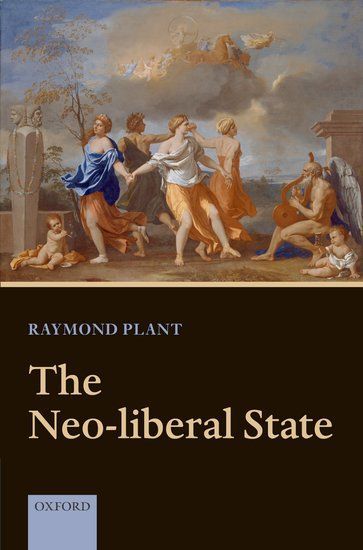
The aim of the book is two-fold. First of all it is to provide a fair, complete and analytical account of the Neo-liberal conception of the role and function of the state in modern society. The second aim is to provide a critical assessment of some of the central elements of this conception. The book will look at the emphasis of Neo-liberals on procedural and rule governed approaches to the role of the state rather than outcome or end state views of the role of government and to consider how this conception of politics relates to issues such as the rule of law, freedom, justice, rights, the relationship to the market economy, to civil society and to look at the role of government in relation to the provision of welfare and public sector services more generally. It builds up the Neo-liberal case in respect of these aspects of modern society by drawing upon the works of central Neo-liberal thinkers such as Hayek, Mises, Menger, as well as thinkers such as Oakeshott, Nozick and Rotbard who are not directly Neo-liberals but whose works have been important for the development of central Neo-liberal themes. The second part of the book provides what might be regarded as an immanent critique of the Neo-liberal case built up in the first part of the study. It takes Neo-liberal ideas very seriously and shows how incoherences arise within and between those ideas such that a plausible form of Neo-liberalism as opposed to Libertarianism on the one hand and Social Democracy on the other is very difficult to state. The theme of this book is very germane given the considerable debate which is now taking place in the context of the world financial crisis about the appropriate role for the state.
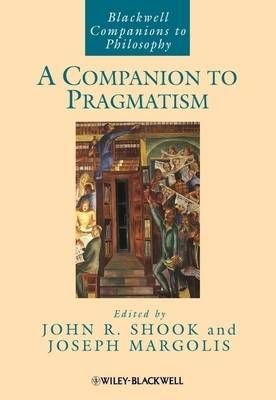
A Companion to Pragmatism, comprised of 38 newly commissioned essays, provides comprehensive coverage of one of the most vibrant and exciting fields of philosophy today. Unique in depth and coverage of classical figures and their philosophies as well as pragmatism as a living force in philosophy. Chapters include discussions on philosophers such as John Dewey, Jürgen Habermas and Hilary Putnam.
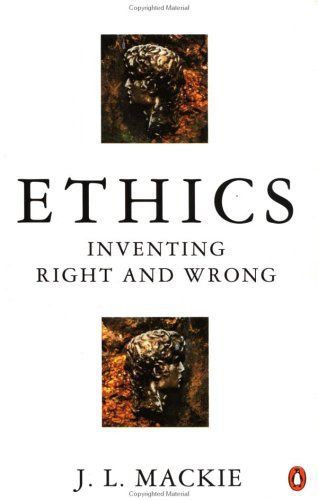
John Mackie’s stimulating book is a complete and clear treatise on moral theory. His writings on normative ethics-the moral principles he recommends-offer a fresh approach on a much neglected subject, and the work as a whole is undoubtedly a major contribution to modern philosophy.The author deals first with the status of ethics, arguing that there are not objective values, that morality cannot be discovered but must be made. He examines next the content of ethics, seeing morality as a functional device, basically the same at all times but changing significantly in response to changes in the human condition. He sketches a practical moral system, criticizing but also borrowing from both utilitarian and absolutist views. Thirdly, the frontiers of ethics, areas of contact with psychology, metaphysics, theology, law and politcs, are explored.Throughout, his aim is to discuss a wide range of questions that are both philosophical and practical, working within a distinctive version of subjectivism-an “error” theory of the apparent objectivity of values. John Mackie has drawn on the contributions of such classic thinkers as Plato, Aristotle, Hobbes, Hume, Kant and Sidgwick, and on more recent discussions, to produce a thought-provoking account that will inspire both the general reader and the student of philosophy.
ما از اخلاق چه انتظاری داریم؟ این سوال شاید تاحدودی برای عموم مردم و یا متخصصان این رشته قابل پاسخ باشد؛ اینکه خوب بودن را به ما بیاموزد و در تنظیم روابط فردی م...

جشن کتاب تهران به ایستگاه سی و یکم رسیده است. حال و احوال نشر کتاب خوب نیست و باید فرهنگدوستان را به خرید و هدیه دادن کتاب ترغیب نمود. خانه اخلاقپژوهان جوان ب...

بنیاد کتابهای اخلاق اسلامی عمدتا پالایش جان از آلودگیها و آراستن آن به زیباییها است. اندیشه محوری این قبیل کتابها آن است که انسان فعلی آنی نیست که باید باشد...

-
0 Comments