Notice: تابع WP_Block_Type_Registry::register به طورنادرست فراخوانی شد. نامهای نوع بلوک نباید حروف بزرگ داشته باشند. لطفاً برای اطلاعات بیشتر، اشکال زدایی در وردپرس را مشاهده کنید. (این پیام در نگارش 5.0.0 افزوده شده است.) in /home/ethicsho/public_html/wp-includes/functions.php on line 5313
Warning: Use of undefined constant TDC_PATH_LEGACY - assumed 'TDC_PATH_LEGACY' (this will throw an Error in a future version of PHP) in /home/ethicsho/public_html/wp-content/plugins/td-composer/td-composer.php on line 109
Warning: Use of undefined constant TDSP_THEME_PATH - assumed 'TDSP_THEME_PATH' (this will throw an Error in a future version of PHP) in /home/ethicsho/public_html/wp-content/plugins/td-composer/td-composer.php on line 113 بایگانیهای 994 - خانه اخلاق پژوهان جوان Notice: Trying to access array offset on value of type bool in /home/ethicsho/public_html/wp-content/plugins/wp-ulike/inc/general-functions.php on line 807
Jason Stanley presents a startling and provocative claim about knowledge: that whether or not someone knows a proposition at a given time is in part determined by his or her practical interests, i.e. by how much is at stake for that person at that time. So whether a true belief is knowledge is not merely a matter of supporting beliefs or reliability; in the case of knowledge, practical rationality and theoretical rationality are intertwined. Stanley defends this thesis against alternative accounts of the phenomena that motivate it, such as the claim that knowledge attributions are linguistically context-sensitive (contextualism about knowledge attributions), and the claim that the truth of a knowledge claim is somehow relative to the person making the claim (relativism about knowledge). In the course of his argument Stanley introduces readers to a number of strategies for resolving philosophical paradox, making the book essential not just for specialists in epistemology but for all philosophers interested in philosophical methodology. Since a number of his strategies appeal to linguistic evidence, it will be of great interest to linguists as well.
Does our understanding and appreciation of Shakespeare’s plays demand that we know exactly who Shakespeare really was and what he intended to communicate in his work? This volume examines the role that authorship plays in people’s experience of language and art as meaningful human artifacts, as well as reviewing the fierce debates over these issues both within academia and popular culture. It is argued that many aspects of our understanding of language (both oral and written) and artworks (paintings, music, theater, etc.) rests on people’s fundamental, often unconscious, bias to seek who created something and for what communicative purpose.
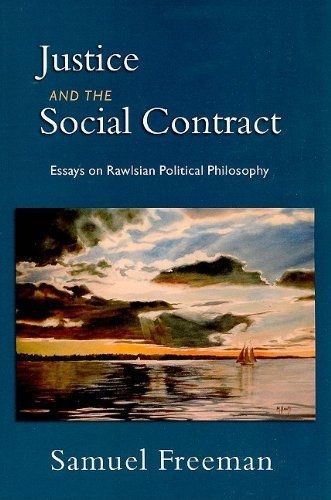
John Rawls (1921-2002) was one of the 20th century’s most important philosophers and continues to be among the most widely discussed of contemporary thinkers. His work, particularly A Theory of Justice, is integral to discussions of social and international justice, democracy, liberalism, welfare economics, and constitutional law, in departments of philosophy, politics, economics, law, public policy, and others. Samuel Freeman is one of Rawls’s foremost interpreters. This volume contains nine of his essays on Rawls and Rawlsian justice, two of which are previously unpublished. Freeman places Rawls within historical context in the social contract tradition, addresses criticisms of his positions, and discusses the implications of his views on issues of distributive justice, liberalism and democracy, international justice, and other subjects. This collection will be useful to the wide range of scholars interested in Rawls and theories of justice.
ما از اخلاق چه انتظاری داریم؟ این سوال شاید تاحدودی برای عموم مردم و یا متخصصان این رشته قابل پاسخ باشد؛ اینکه خوب بودن را به ما بیاموزد و در تنظیم روابط فردی م...

جشن کتاب تهران به ایستگاه سی و یکم رسیده است. حال و احوال نشر کتاب خوب نیست و باید فرهنگدوستان را به خرید و هدیه دادن کتاب ترغیب نمود. خانه اخلاقپژوهان جوان ب...

بنیاد کتابهای اخلاق اسلامی عمدتا پالایش جان از آلودگیها و آراستن آن به زیباییها است. اندیشه محوری این قبیل کتابها آن است که انسان فعلی آنی نیست که باید باشد...

-
0 Comments