Notice: تابع WP_Block_Type_Registry::register به طورنادرست فراخوانی شد. نامهای نوع بلوک نباید حروف بزرگ داشته باشند. لطفاً برای اطلاعات بیشتر، اشکال زدایی در وردپرس را مشاهده کنید. (این پیام در نگارش 5.0.0 افزوده شده است.) in /home/ethicsho/public_html/wp-includes/functions.php on line 5313
Warning: Use of undefined constant TDC_PATH_LEGACY - assumed 'TDC_PATH_LEGACY' (this will throw an Error in a future version of PHP) in /home/ethicsho/public_html/wp-content/plugins/td-composer/td-composer.php on line 109
Warning: Use of undefined constant TDSP_THEME_PATH - assumed 'TDSP_THEME_PATH' (this will throw an Error in a future version of PHP) in /home/ethicsho/public_html/wp-content/plugins/td-composer/td-composer.php on line 113 بایگانیهای 956 - خانه اخلاق پژوهان جوان Notice: Trying to access array offset on value of type bool in /home/ethicsho/public_html/wp-content/plugins/wp-ulike/inc/general-functions.php on line 807
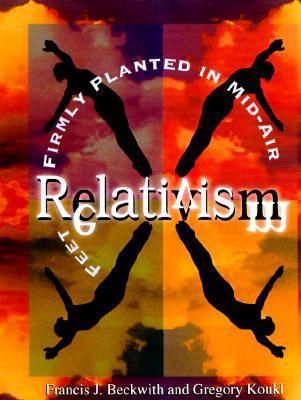
“An extremely well-researched, intellectual approach to the problem of relativism and its effect on education, public policy, and our everyday lives.” –Youthworker
(۳)۴z(BThis book is a comprehensive and comprehensible coverage of the philosophical underpinning of the integrity construct as reflected in the Western literature—a must read for researchers and scholars interested in integrity assessments. The authors have integrated insights from several disciplines, and have written in a clear and engaging style. The Czech historical sketch gives an interesting background to these discussions.(3)4y (BProfessor Vish C. Viswesvaran, Florida International University, USA This book discusses outcomes of a study by the National Institute of Mental Health, Czech Republic, examining moral integrity in the post-communist Czech-speaking environment. Chapters map the history of the Euro-Atlantic ethical disciplines from moral philosophy and psychology to evolutionary neuroscience and socio-biology. The authors emphasize the biological and social conditionality of ethics and call for greater differentiation of both research and applied psychological standards in today’s globalised world. Using a non-European ethical system – Theravada Buddhism – as a case study, the authors explore the differences in English and Czech interpretations of the religion. They analyse cognitive styles and language as central variables in formatting and interpreting moral values, with important consequences for cultural transferability of psychological instruments. This book will appeal to academics and other specialists in psychology, psychiatry, sociology and related fields, as well as to readers interested in the psychology of ethics. .
This book provides a collection of original essays on cutting-edge topics in medical ethics research. Leading philosophers give in-depth accounts of issues as diverse as embryo pre-selection, the role of autonomy in organ transplant markets, conscientious objection in the health care professions and neonatal euthanasia. Provocative and original, the contributions to this volume will be of interest to academic, students and health care professionals alike.
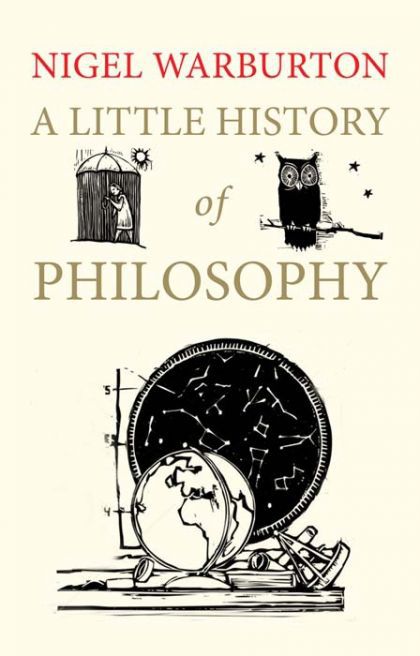
Philosophy begins with questions about the nature of reality and how we should live. These were the concerns of Socrates, who spent his days in the ancient Athenian marketplace asking awkward questions, disconcerting the people he met by showing them how little they genuinely understood. This engaging book introduces the great thinkers in Western philosophy and explores their most compelling ideas about the world and how best to live in it.In forty brief chapters, Nigel Warburton guides us on a chronological tour of the major ideas in the history of philosophy. He provides interesting and often quirky stories of the lives and deaths of thought-provoking philosophers from Socrates, who chose to die by hemlock poisoning rather than live on without the freedom to think for himself, to Peter Singer, who asks the disquieting philosophical and ethical questions that haunt our own times.Warburton not only makes philosophy accessible, he offers inspiration to think, argue, reason, and ask in the tradition of Socrates. A Little History of Philosophy presents the grand sweep of humanity’s search for philosophical understanding and invites all to join in the discussion.
ما از اخلاق چه انتظاری داریم؟ این سوال شاید تاحدودی برای عموم مردم و یا متخصصان این رشته قابل پاسخ باشد؛ اینکه خوب بودن را به ما بیاموزد و در تنظیم روابط فردی م...

جشن کتاب تهران به ایستگاه سی و یکم رسیده است. حال و احوال نشر کتاب خوب نیست و باید فرهنگدوستان را به خرید و هدیه دادن کتاب ترغیب نمود. خانه اخلاقپژوهان جوان ب...

بنیاد کتابهای اخلاق اسلامی عمدتا پالایش جان از آلودگیها و آراستن آن به زیباییها است. اندیشه محوری این قبیل کتابها آن است که انسان فعلی آنی نیست که باید باشد...

-
0 Comments