Notice: تابع WP_Block_Type_Registry::register به طورنادرست فراخوانی شد. نامهای نوع بلوک نباید حروف بزرگ داشته باشند. لطفاً برای اطلاعات بیشتر، اشکال زدایی در وردپرس را مشاهده کنید. (این پیام در نگارش 5.0.0 افزوده شده است.) in /home/ethicsho/public_html/wp-includes/functions.php on line 5313
Warning: Use of undefined constant TDC_PATH_LEGACY - assumed 'TDC_PATH_LEGACY' (this will throw an Error in a future version of PHP) in /home/ethicsho/public_html/wp-content/plugins/td-composer/td-composer.php on line 109
Warning: Use of undefined constant TDSP_THEME_PATH - assumed 'TDSP_THEME_PATH' (this will throw an Error in a future version of PHP) in /home/ethicsho/public_html/wp-content/plugins/td-composer/td-composer.php on line 113 بایگانیهای 666 - خانه اخلاق پژوهان جوان Notice: Trying to access array offset on value of type bool in /home/ethicsho/public_html/wp-content/plugins/wp-ulike/inc/general-functions.php on line 807
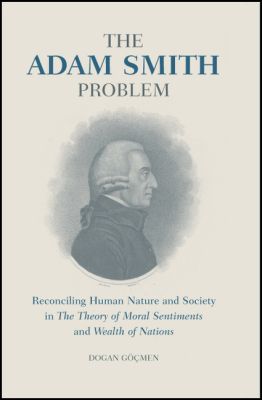
This is the first scholarly work to deal solely with the ‘Adam Smith problem’, namely the apparent contradiction between Adam Smith’s most famous works, The Theory of Moral Sentiments and The Nature and Causes of the Wealth of Nations. Since the 1840s scholars have puzzled over and attempted to explain the fact that these works offer two fundamentally different and contradictory concepts of human nature. In this radical new approach Dogan Göçmen makes a major contribution to the debate. Accepting that Smith does indeed put forward two different and varied ideas, he argues that the ethical position articulated in The Theory of Moral Sentiments can be, and was intended by Smith to be, applied as a basis for criticising the commercial society analysed in the Wealth of Nations. Göçmen argues that this ethical position points to the character of an ideal future society, Adam Smith’s Utopia, a society in which its social components are completely in sympathy – and therefore harmonious – with each other.
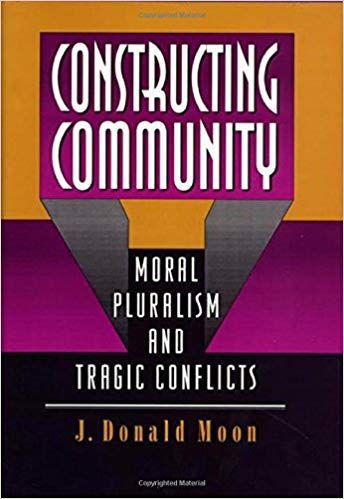
This text not only provides an introduction to the main traditions in ethical thought–such as virtue ethics, utilitarianism, and deontology–but also offers a conceptual framework of ethical pluralism for understanding the relationship among these various theories. This new edition has been significantly affected by the events of September 11, 2001.
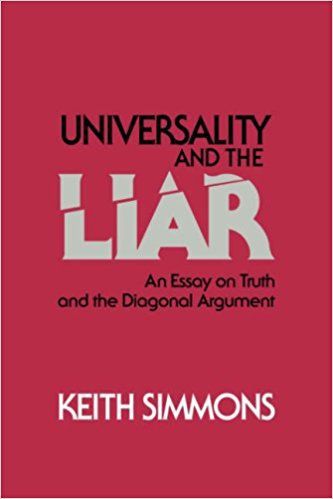
This book is about one of the most baffling of all paradoxes–the famous Liar paradox. Suppose we say: “We are lying now.” Then if we are lying, we are telling the truth; and if we are telling the truth we are lying. This paradox is more than an intriguing puzzle, since it involves the concept of truth. Thus any coherent theory of truth must deal with the Liar. Keith Simmons discusses the solutions proposed by medieval philosophers and offers his own solutions and in the process assesses other contemporary attempts to solve the paradox. Unlike such attempts, Simmons’ “singularity” solution does not abandon classical semantics and does not appeal to the kind of hierarchical view found in Barwise’s and Etchemendy’s The Liar. Moreover, Simmons’ solution resolves the vexing problem of semantic universality–the problem of whether there are semantic concepts beyond the expressive reach of a natural language such as English.
ما از اخلاق چه انتظاری داریم؟ این سوال شاید تاحدودی برای عموم مردم و یا متخصصان این رشته قابل پاسخ باشد؛ اینکه خوب بودن را به ما بیاموزد و در تنظیم روابط فردی م...

جشن کتاب تهران به ایستگاه سی و یکم رسیده است. حال و احوال نشر کتاب خوب نیست و باید فرهنگدوستان را به خرید و هدیه دادن کتاب ترغیب نمود. خانه اخلاقپژوهان جوان ب...

بنیاد کتابهای اخلاق اسلامی عمدتا پالایش جان از آلودگیها و آراستن آن به زیباییها است. اندیشه محوری این قبیل کتابها آن است که انسان فعلی آنی نیست که باید باشد...

-
0 Comments