Notice: تابع WP_Block_Type_Registry::register به طورنادرست فراخوانی شد. نامهای نوع بلوک نباید حروف بزرگ داشته باشند. لطفاً برای اطلاعات بیشتر، اشکال زدایی در وردپرس را مشاهده کنید. (این پیام در نگارش 5.0.0 افزوده شده است.) in /home/ethicsho/public_html/wp-includes/functions.php on line 5313
Warning: Use of undefined constant TDC_PATH_LEGACY - assumed 'TDC_PATH_LEGACY' (this will throw an Error in a future version of PHP) in /home/ethicsho/public_html/wp-content/plugins/td-composer/td-composer.php on line 109
Warning: Use of undefined constant TDSP_THEME_PATH - assumed 'TDSP_THEME_PATH' (this will throw an Error in a future version of PHP) in /home/ethicsho/public_html/wp-content/plugins/td-composer/td-composer.php on line 113 بایگانیهای 651 - خانه اخلاق پژوهان جوان Notice: Trying to access array offset on value of type bool in /home/ethicsho/public_html/wp-content/plugins/wp-ulike/inc/general-functions.php on line 807
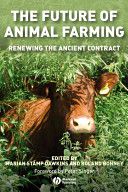
Does animal welfare have a place in sustainable farming, or do the demands of a rising human population and the threat of climate change mean that the interests of animals must be put aside? Can we improve the way we keep animals and still feed the world – or is it a choice between ethics and economics?The aim of this book is to challenge the “them-and-us” thinking that sets the interests of humans and farm animals against each other and to show that to be really “sustainable,” farming needs to include, not ignore, animal welfare. The authors of this remarkable book come from a diversity of backgrounds: industry, animal welfare organizations, academic institutions, and practical farming. They are united in arguing that farm animals matter and that sustainable farming must have animal welfare at its ethical core, along with the production of healthy, affordable food and care for the environment.
Aristotle and Confucius are pivotal figures in world history; nevertheless, Western and Eastern cultures have in modern times largely abandoned the insights of these masters. Remastering Morals is the first book-length scholarly comparison of the ethics of Aristotle and Confucius. May Sim’s comparisons offer fresh interpretations of the central teachings of both men. More than a catalog of similarities and differences, her study brings two great traditions into dialog so that each is able to learn from the other. This is essential reading for anyone interested in virtue-oriented ethics.
Why should we be tolerant? What does it mean to “live and let live”? What ought to be tolerated and what not? Toleration: A Critical Introductionis a comprehensive and accessible philosophical introduction to toleration. The first part of the book clearly and coherently introduces and assesses the major theoretical accounts of toleration, examining toleration in light of challenges from skepticism, value pluralism and reasonableness. Catriona McKinnon also draws from those philosophers whose theories are central to toleration, from Locke and Mill to Rawls. In the second part of the book, McKinnon applies the theories of toleration to urgent contemporary problems such as female circumcision, the French headscarves affair, artistic freedom, pornography and censorship, and holocaust denial. Toleration: ACritical Introductionprovides a solid theoretical base to those who value toleration, whilst considering the challenges toleration faces in practice. It provides anideal starting point for those coming to the topic for the first time, and anyone interested in the challenges facing toleration today.
In recent years, a succession of corporate scandals has rocked the international business community. As a result, many companies have invested considerable time, money and effort on the development of ethics management programs. However, in many cases, such programs are nothing more than insurance policies against corporate liability, designed merely to limit the fallout of scandals should they occur. In Business Ethics as Practice, Mollie Painter-Morland urges us to take business ethics seriously by reconsidering the role of ethics management within organizations. She redefines the typical seven-step ethics management program from within – challenging the reader to reconsider what is possible within each aspect of this process. In doing so, she draws on the insights of Aristotle, Nietzsche, Heidegger, Foucault and numerous contemporary organizational theorists and sociologists to create the space for the emergence of a morally responsive corporate ethos.
ما از اخلاق چه انتظاری داریم؟ این سوال شاید تاحدودی برای عموم مردم و یا متخصصان این رشته قابل پاسخ باشد؛ اینکه خوب بودن را به ما بیاموزد و در تنظیم روابط فردی م...

جشن کتاب تهران به ایستگاه سی و یکم رسیده است. حال و احوال نشر کتاب خوب نیست و باید فرهنگدوستان را به خرید و هدیه دادن کتاب ترغیب نمود. خانه اخلاقپژوهان جوان ب...

بنیاد کتابهای اخلاق اسلامی عمدتا پالایش جان از آلودگیها و آراستن آن به زیباییها است. اندیشه محوری این قبیل کتابها آن است که انسان فعلی آنی نیست که باید باشد...

-
0 Comments