Notice: تابع WP_Block_Type_Registry::register به طورنادرست فراخوانی شد. نامهای نوع بلوک نباید حروف بزرگ داشته باشند. لطفاً برای اطلاعات بیشتر، اشکال زدایی در وردپرس را مشاهده کنید. (این پیام در نگارش 5.0.0 افزوده شده است.) in /home/ethicsho/public_html/wp-includes/functions.php on line 5313
Warning: Use of undefined constant TDC_PATH_LEGACY - assumed 'TDC_PATH_LEGACY' (this will throw an Error in a future version of PHP) in /home/ethicsho/public_html/wp-content/plugins/td-composer/td-composer.php on line 109
Warning: Use of undefined constant TDSP_THEME_PATH - assumed 'TDSP_THEME_PATH' (this will throw an Error in a future version of PHP) in /home/ethicsho/public_html/wp-content/plugins/td-composer/td-composer.php on line 113 بایگانیهای 605 - خانه اخلاق پژوهان جوان Notice: Trying to access array offset on value of type bool in /home/ethicsho/public_html/wp-content/plugins/wp-ulike/inc/general-functions.php on line 807
This textbook looks at the main ethical questions that confront the criminal justice system – legislature, law enforcement, courts, and corrections – and those who work within that system, especially police officers, prosecutors, defence lawyers, judges, juries, and prison officers. John Kleinig sets the issues in the context of a liberal democratic society and its ethical and legislative underpinnings, and illustrates them with a wide and international range of real-life case studies. Topics covered include discretion, capital punishment, terrorism, restorative justice, and re-entry. Kleinig’s discussion is both philosophically acute and grounded in institutional realities, and will enable students to engage productively with the ethical questions which they encounter both now and in the future – whether as criminal justice professionals or as reflective citizens.
“A magisterial work (that) culminates twenty-five years of thinking about the problems of free will. For those who believe both that robust free will cannot survive in a deterministic climate and that a viable free will need be scientifically respectable, Kane’s work may prove salvific.” — Mark Bernstein, University of Texas at San Antonio. In the past quarter-century, there has been a resurgence of interest in philosophical questions about free will. After a clear and broad-reaching survey of these recent debates, Robert Kane presents his own controversial view. Arguing persuasively for a traditional incompatibilist or libertarian conception of free will, Kane demonstrates that such a conception can be made intelligible without appeals to obscure or mysterious forms of agency and thus can be reconciled with a contemporary scientific picture of the world.
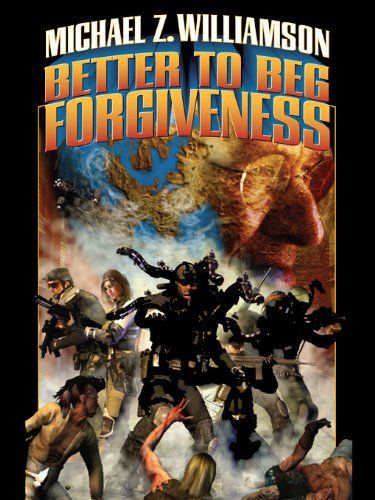
Celadon, a poor nation on a poor planet, engaged in civil war and a haven for every type of villainy in space, is ripe for cleanup. The military could pacify it handily, but it would take a statesman to fix it.But some statesmen have ethics, which politicians and megacorps find inconvenient. President Bishwanath compounded the sin by being astute, ambitious and capable. Something had to be done, because a working nation isn’t much use for pork and graft.When the word comes down that he is dead, the politicians move on with a new plan, re-allocating resources, and finding a new, more pliable president to put in place.There are three problems with this solution. Bishwanath is not dead. His mercenary bodyguards are more loyal than the politicians. And if they’re not on contract, there are no rules.
Postmodernism has had a significant and divisive impact on late-Twentieth Century thought. Proponents of the postmodernist critique of absolute knowledge have felt it necessary to jettison the Enlightenment concepts of truth, reason and the self. Opponents of postmodernism have seized on this abandonment of rational standards only to ignore the very real problems raised by the postmodernists. Michael Luntley provides a lively introduction to debate and offers a clear and careful exposition of how rational debate can survive even if the main postmodernist critique of the Enlightenment is accepted.Reason, Truth and Selfcovers many of the key questions of our age: the rationality of science; the availability of rational but non-scientific ways of understanding ourselves and our world; the nature of mind and of knowledge; the nature of moral judgement and the scope for accounts of the self that do justice to our situatedness in real historical circumstances.
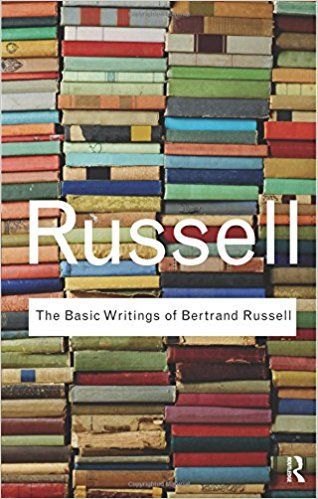
Few philosophers have had a more profound influence on the course of modern philosophy than Bertrand Russell. The Basic Writings of Bertrand Russell is a comprehensive anthology of Russell’s most definitive essays written between 1903 and 1959. First published in 1961, this remarkable collection is a testament to a philosopher whom many consider to be one of the most influential thinkers of the twentieth century. This is an essential introduction to the brilliance of Bertrand Russell.
ما از اخلاق چه انتظاری داریم؟ این سوال شاید تاحدودی برای عموم مردم و یا متخصصان این رشته قابل پاسخ باشد؛ اینکه خوب بودن را به ما بیاموزد و در تنظیم روابط فردی م...

جشن کتاب تهران به ایستگاه سی و یکم رسیده است. حال و احوال نشر کتاب خوب نیست و باید فرهنگدوستان را به خرید و هدیه دادن کتاب ترغیب نمود. خانه اخلاقپژوهان جوان ب...

بنیاد کتابهای اخلاق اسلامی عمدتا پالایش جان از آلودگیها و آراستن آن به زیباییها است. اندیشه محوری این قبیل کتابها آن است که انسان فعلی آنی نیست که باید باشد...

-
0 Comments