Notice: تابع WP_Block_Type_Registry::register به طورنادرست فراخوانی شد. نامهای نوع بلوک نباید حروف بزرگ داشته باشند. لطفاً برای اطلاعات بیشتر، اشکال زدایی در وردپرس را مشاهده کنید. (این پیام در نگارش 5.0.0 افزوده شده است.) in /home/ethicsho/public_html/wp-includes/functions.php on line 5313
Warning: Use of undefined constant TDC_PATH_LEGACY - assumed 'TDC_PATH_LEGACY' (this will throw an Error in a future version of PHP) in /home/ethicsho/public_html/wp-content/plugins/td-composer/td-composer.php on line 109
Warning: Use of undefined constant TDSP_THEME_PATH - assumed 'TDSP_THEME_PATH' (this will throw an Error in a future version of PHP) in /home/ethicsho/public_html/wp-content/plugins/td-composer/td-composer.php on line 113 بایگانیهای 522 - خانه اخلاق پژوهان جوان Notice: Trying to access array offset on value of type bool in /home/ethicsho/public_html/wp-content/plugins/wp-ulike/inc/general-functions.php on line 807
Written by renowned Aristotle scholar Sir David Ross, this study has long been established as one of the foremost surveys of Aristotle’s life, work and philosophy. With John L. Ackrill’s introduction and updated bibliography, created for the sixth edition, the book continues to serve as a standard guide, both for the student of ancient history and the general reader.
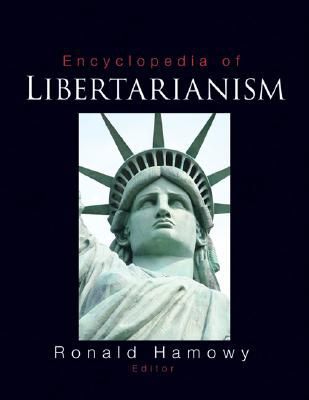
As a continuation of the older tradition of classical liberalism, libertarian thinking draws on a rich body of thought and scholarship. Contemporary libertarian scholars are continuing that tradition by making substantial contributions to such fields as philosophy, jurisprudence, economics, evolutionary psychology, political theory, and history, in both academia and politics. With more than 300 A-to-Z signed entries written by top scholars, The Encyclopedia of Libertarianism is purposed to be a useful compilation of and introduction to libertarian scholarship. The Encyclopedia starts with an introductory essay offering an extensive historical and thematic overview of key thinkers, events, and publications in the development of libertarian thought. The Reader’s Guide groups content for researchers and students alike, allowing them to study libertarianism topically, biographically, and by public policy issues.Key FeaturesEntries conclude with bibliographies and references for further reading and cross-references to related entries.Each entry provides an introduction to a topic or policy question relevant to libertarianism or a biography of a person who has had an impact on libertarianism.Editors take special care to ensure entries clearly explain libertarian approaches to issues, do not take sides on disputed matters or engage in polemics, and represent the views of all sides fairly and accurately.
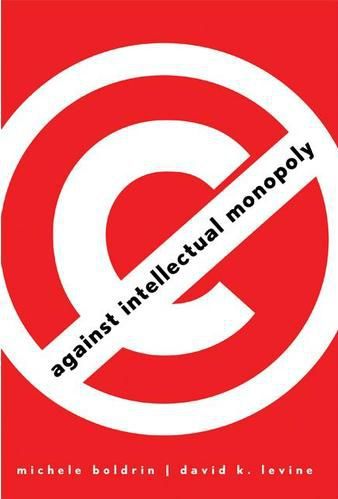
“Intellectual property” – patents and copyrights – have become controversial. We witness teenagers being sued for “pirating” music – and we observe AIDS patients in Africa dying due to lack of ability to pay for drugs that are high priced to satisfy patent holders. Are patents and copyrights essential to thriving creation and innovation – do we need them so that we all may enjoy fine music and good health? Across time and space the resounding answer is: No. So-called intellectual property is in fact an “intellectual monopoly” that hinders rather than helps the competitive free market regime that has delivered wealth and innovation to our doorsteps. This book has broad coverage of both copyrights and patents and is designed for a general audience, focusing on simple examples. The authors conclude that the only sensible policy to follow is to eliminate the patents and copyright systems as they currently exist.
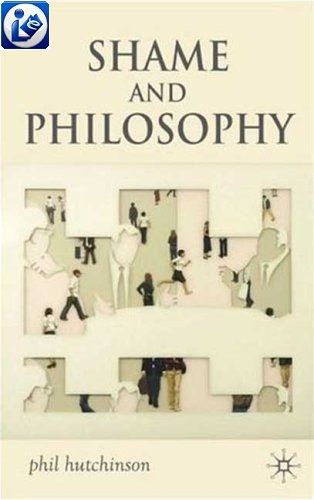
Engaging with current research in the philosophy of emotions, both analytic and continental, the author argues that reductionist accounts of emotions leave us in a state of poverty regarding our understanding of our world and of ourselves.
ما از اخلاق چه انتظاری داریم؟ این سوال شاید تاحدودی برای عموم مردم و یا متخصصان این رشته قابل پاسخ باشد؛ اینکه خوب بودن را به ما بیاموزد و در تنظیم روابط فردی م...

جشن کتاب تهران به ایستگاه سی و یکم رسیده است. حال و احوال نشر کتاب خوب نیست و باید فرهنگدوستان را به خرید و هدیه دادن کتاب ترغیب نمود. خانه اخلاقپژوهان جوان ب...

بنیاد کتابهای اخلاق اسلامی عمدتا پالایش جان از آلودگیها و آراستن آن به زیباییها است. اندیشه محوری این قبیل کتابها آن است که انسان فعلی آنی نیست که باید باشد...

-
0 Comments