Notice: تابع WP_Block_Type_Registry::register به طورنادرست فراخوانی شد. نامهای نوع بلوک نباید حروف بزرگ داشته باشند. لطفاً برای اطلاعات بیشتر، اشکال زدایی در وردپرس را مشاهده کنید. (این پیام در نگارش 5.0.0 افزوده شده است.) in /home/ethicsho/public_html/wp-includes/functions.php on line 5313
Warning: Use of undefined constant TDC_PATH_LEGACY - assumed 'TDC_PATH_LEGACY' (this will throw an Error in a future version of PHP) in /home/ethicsho/public_html/wp-content/plugins/td-composer/td-composer.php on line 109
Warning: Use of undefined constant TDSP_THEME_PATH - assumed 'TDSP_THEME_PATH' (this will throw an Error in a future version of PHP) in /home/ethicsho/public_html/wp-content/plugins/td-composer/td-composer.php on line 113 بایگانیهای 3513 - خانه اخلاق پژوهان جوان Notice: Trying to access array offset on value of type bool in /home/ethicsho/public_html/wp-content/plugins/wp-ulike/inc/general-functions.php on line 807
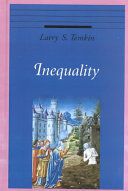
Equality has long been among the most potent of human ideals and it continues to play a prominent role in political argument. Views about equality inform much of the debate about wide-ranging issues such as racism, sexism, obligations to the poor or handicapped, relations between developed and developing countries, and the justification of competing political, economic, and ideological systems. Temkin begins his illuminating examination with a simple question: when is one situation worse than another regarding inequality? In exploring this question, a new approach to understanding inequality emerges. Temkin goes against the common view that inequality is simple and holistic and argues instead that it is complex, individualistic, and essentially comparative. He presents a new way of thinking about equality and inequality that challenges the assumptions of philosophers, welfare economists, and others, and has significant and far-reaching implications on a practical as well as a theoretical level.
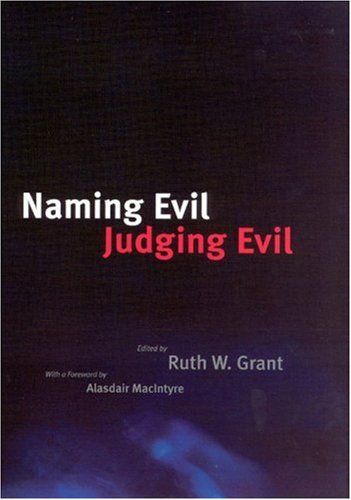
Is it more dangerous to call something evil or not to? This fundamental question deeply divides those who fear that the term oversimplifies grave problems and those who worry that, to effectively address such issues as terrorism and genocide, we must first acknowledge them as evil. Recognizing that the way we approach this dilemma can significantly affect both the harm we suffer and the suffering we inflict, a distinguished group of contributors engages in the debate with this series of timely and original essays. Drawing on Western conceptions of evil from the Middle Ages to the present, these pieces demonstrate that, while it may not be possible to definitively settle moral questions, we are still ableand in fact are obligatedto make moral arguments and judgments. Using a wide variety of approaches, the authors raise tough questions: Why is so much evil perpetrated in the name of good? Could evil ever be eradicated? How can liberal democratic politics help us strike a balance between the need to pass judgment and the need to remain tolerant? Their insightful answers exemplify how the sometimes rarefied worlds of political theory, philosophy, theology, and history can illuminate pressing contemporary concerns.
Conceived originally as a serious presentatin of the development of philosophy for Catholic seminary students, Frederick Copleston’s nine-volume “A History Of Philosophy” has journeyed far beyond the modest purpose of its author to universal acclaim as the best history of philosophy in English. Copleston, an Oxford Jesuit of immense erudition who once tangled with A.J. Ayer in a fabled debate about the existence of God and the possibility of metaphysics, knew that seminary students were fed a woefully inadequate diet of theses and proofs, and that their familiarity with most of history’s great thinkers was reduced to simplistic caricatures. Copleston set out to redress the wrong by writing a complete history of Western Philosophy, one crackling with incident an intellectual excitement – and one that gives full place to each thinker, presenting his thought in a beautifully rounded manner and showing his links to those who went before and to those who came after him.
ما از اخلاق چه انتظاری داریم؟ این سوال شاید تاحدودی برای عموم مردم و یا متخصصان این رشته قابل پاسخ باشد؛ اینکه خوب بودن را به ما بیاموزد و در تنظیم روابط فردی م...

جشن کتاب تهران به ایستگاه سی و یکم رسیده است. حال و احوال نشر کتاب خوب نیست و باید فرهنگدوستان را به خرید و هدیه دادن کتاب ترغیب نمود. خانه اخلاقپژوهان جوان ب...

بنیاد کتابهای اخلاق اسلامی عمدتا پالایش جان از آلودگیها و آراستن آن به زیباییها است. اندیشه محوری این قبیل کتابها آن است که انسان فعلی آنی نیست که باید باشد...

-
0 Comments