Notice: تابع WP_Block_Type_Registry::register به طورنادرست فراخوانی شد. نامهای نوع بلوک نباید حروف بزرگ داشته باشند. لطفاً برای اطلاعات بیشتر، اشکال زدایی در وردپرس را مشاهده کنید. (این پیام در نگارش 5.0.0 افزوده شده است.) in /home/ethicsho/public_html/wp-includes/functions.php on line 5313
Warning: Use of undefined constant TDC_PATH_LEGACY - assumed 'TDC_PATH_LEGACY' (this will throw an Error in a future version of PHP) in /home/ethicsho/public_html/wp-content/plugins/td-composer/td-composer.php on line 109
Warning: Use of undefined constant TDSP_THEME_PATH - assumed 'TDSP_THEME_PATH' (this will throw an Error in a future version of PHP) in /home/ethicsho/public_html/wp-content/plugins/td-composer/td-composer.php on line 113 بایگانیهای 3351 - خانه اخلاق پژوهان جوان Notice: Trying to access array offset on value of type bool in /home/ethicsho/public_html/wp-content/plugins/wp-ulike/inc/general-functions.php on line 807
This text not only provides an introduction to the main traditions in ethical thought–such as virtue ethics, utilitarianism, and deontology–but also offers a conceptual framework of ethical pluralism for understanding the relationship among these various theories. This new edition has been significantly affected by the events of September 11, 2001.
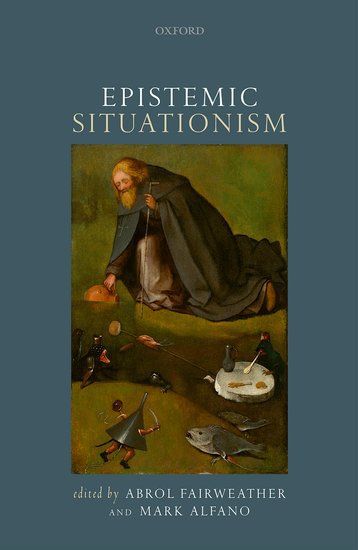
“This volume is the first sustained examination of epistemic situationism, the clash between virtue epistemology and the situationist hypothesis supported by research in empirical psychology. Current research in social psychology suggests that environmental variables have greater explanatory and predictive power than traits in explaining human behavior and this has raised serious challenges to ethical theories, such as virtue ethics, that rely on a psychology of personality traits. However, virtue epistemology appears to assume the same trait-based psychology as virtue ethics does, and the research challenging virtue theories in ethics is relevant to philosophical theorizing about knowledge as well. Until recently virtue epistemology and situationism were separate literatures, but philosophers have begun to examine the apparent incompatibility between situationist psychology and virtue epistemology. Much of the psychological research that raises questions about the empirical adequacy of the moral psychology of virtue ethics also appears to raise doubts about the empirical adequacy of the epistemic psychology assumed by virtue epistemology. Responsibilist virtue epistemology appears particularly vulnerable because epistemic virtues like open-mindedness, conscientiousness, and intellectual courage are traits of intellectual character, but reliabilist virtue epistemology appeals to the psychology of cognitive skill, abilities, and competences that may be similarly vulnerable. The essays in this volume take up this new problem of epistemic situationism from multiple points of view – some skeptical or revisionary, others conservative.”–
This book is a continuation of the enterprise which the author began with ‘The Language of Morals and Freedom and Reason’. In the present work, R.M. Hare has fashioned, out of the logical and linguistic theses of his earlier books, a full-scale but readily intelligible account of moral argument.
We have been taught that forgiveness is the only healthy, morally sound response to violation, and that it must be granted without conditions, even when the person who hurt us is unremorseful — even when that person is dead. In her long-awaited second book, the gifted therapist and bestselling author of After the Affair debunks these myths. Drawing on twenty-nine years as a clinical psychologist, Dr. Spring proposes a radically new, life-affirming alternative that lets us overcome the corrosive effects of hate and get on with our lives — without forgiving. She also offers a powerful and unconventional model for genuine forgiveness — one that asks as much of the offender as it asks of us. Forgiveness is no gratuitous gift, she argues. We can heal ourselves, but forgiveness must be earned. How Can I Forgive You? answers such crucial questions as: How do I forgive someone who can’t or won’t apologize for hurting me? How do I reconcile with an unrepentant offender and maintain my self-respect? If I can’t forgive, how do I put the injury behind me? Is forgiveness my job alone, requiring nothing in return? When is forgiveness cheap, and when is it genuine? What can the offender do to earn forgiveness? How can I encourage the offender to seek my forgiveness? What is self-forgiveness? How do we achieve it? This bold and healing book offers concrete, step-by-step instructions that help us to make peace with our partner, parent, sibling, child, in-law, or friend — and with ourselves. Penetrating and beautifully written, How Can I Forgive You? is bound to change forever the way we think about forgiveness and how we recover from intimate wounds.
ما از اخلاق چه انتظاری داریم؟ این سوال شاید تاحدودی برای عموم مردم و یا متخصصان این رشته قابل پاسخ باشد؛ اینکه خوب بودن را به ما بیاموزد و در تنظیم روابط فردی م...

جشن کتاب تهران به ایستگاه سی و یکم رسیده است. حال و احوال نشر کتاب خوب نیست و باید فرهنگدوستان را به خرید و هدیه دادن کتاب ترغیب نمود. خانه اخلاقپژوهان جوان ب...

بنیاد کتابهای اخلاق اسلامی عمدتا پالایش جان از آلودگیها و آراستن آن به زیباییها است. اندیشه محوری این قبیل کتابها آن است که انسان فعلی آنی نیست که باید باشد...

-
0 Comments