Notice: تابع WP_Block_Type_Registry::register به طورنادرست فراخوانی شد. نامهای نوع بلوک نباید حروف بزرگ داشته باشند. لطفاً برای اطلاعات بیشتر، اشکال زدایی در وردپرس را مشاهده کنید. (این پیام در نگارش 5.0.0 افزوده شده است.) in /home/ethicsho/public_html/wp-includes/functions.php on line 5313
Warning: Use of undefined constant TDC_PATH_LEGACY - assumed 'TDC_PATH_LEGACY' (this will throw an Error in a future version of PHP) in /home/ethicsho/public_html/wp-content/plugins/td-composer/td-composer.php on line 109
Warning: Use of undefined constant TDSP_THEME_PATH - assumed 'TDSP_THEME_PATH' (this will throw an Error in a future version of PHP) in /home/ethicsho/public_html/wp-content/plugins/td-composer/td-composer.php on line 113 بایگانیهای 3176 - خانه اخلاق پژوهان جوان Notice: Trying to access array offset on value of type bool in /home/ethicsho/public_html/wp-content/plugins/wp-ulike/inc/general-functions.php on line 807
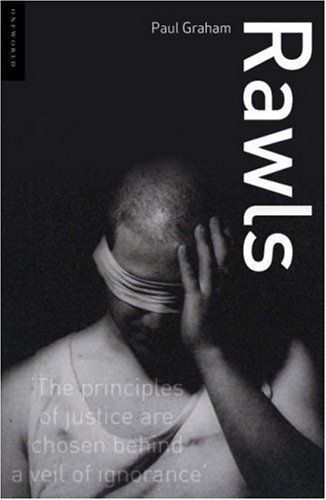
This illuminating guide covers the most interesting and important aspects of Rawls’ work in a stimulating manner, highlighting the foundations that underlie his conception of Justice, and explaining the rationale for his famous starting point, The Veil of Ignorance. Also detailing the criticisms that have met his arguments, this study will prove essential reading for students, scholars, and interested readers alike.
This lecture is MacIntyre’s most explicit defense of his approach to Thomistic metaphysics. This lecture follows MacIntyre’s argument in After Virtue that modern philosophy has very literally lost its way, and the problems it faces are insoluble. The difficulties are twofold, and stem from the Cartesian turn to the self in the XVith century. Modern philosophy cannot reestablish contact with the outside world when our starting point is self-knowledge, and modern philosophy also cannot accept that any principle could be ‘first’ in any absolute sense of the word, because final causality has been rejected. MacIntyre claims that Thomism does not suffer these defects, but he cautions against a premature victory, because Thomism has been decisively rejected by modern philosophy and modern science, so that there is no chance of effective dialogue between Thomism and other traditions. The very vocabulary of Thomism is a stumbling block. However, modern philosophy has not been able to completely eliminate the Aristotelian roots of all philosophy and science, and so keeps returning to themes that it cannot adequately address. Thus MacIntyre proposes to use the tools of modern philosophies, such as the genealogical narrative, to help reconnect modern philosophy and Thomism. A historical approach might make the rejection, and the reasons for it, evident, and allow fruitful dialogue by allowing for the fruits of modern philosophy to be discussed in a context that will allow them to finally flourish. Essentially, the goal is to enable contemporary philosophy to become more itself by freeing it from the tension created by the premises that cast doubt upon the philosophical enterprise.
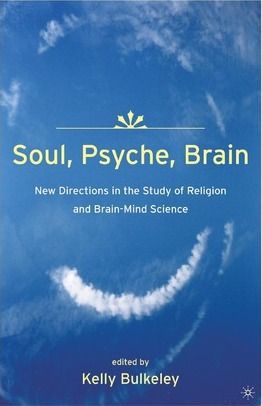
Soul, Psyche, Brainis a collection of essays that address the relationships between neuroscience, religion and human nature. The book highlights some startling new developments in neuroscience that have many people rethinking spirituality, the mind-body connection, and cognition in general. Soul, Psyche, Brainexplores questions like: What are the neurological effects of meditation and prayer? How does the mind develop psychological and spiritual self-awareness? And what are the practical implications of brain-mind science for religious faith and moral reasoning?
This volume comprises essays presented to Alvin Plantinga on the occasion of his 70th birthday. Plantinga is one of the leading figures in Anglo-American metaphysics, epistemology and philosophy of religion; his work in these areas has been the focus of wide scholarly attention. This collection of essays, all of which were written specifically for this volume in honor of Plantinga’s 70th birthday, ranges broadly over topics in metaphysics and epistemology and includes contributions by some of the best philosophers writing today. The volume will be of particular interest to metaphysicians, epistemologists, philosophers of religion and theologians as it includes important recent work by some of the leading thinkers in these fields.With contributions from William P. Alston, Michael Bergmann, Richard Fumerton, Jenann Ismael, Jonathan Kvanvig, Trenton Merricks, Richard Otte, John Pollock, Michael C. Rea, Eleonore Stump, James Tomberlin, Peter van Inwagen, Nicholas Wolterstorff, and Keith Yandell.
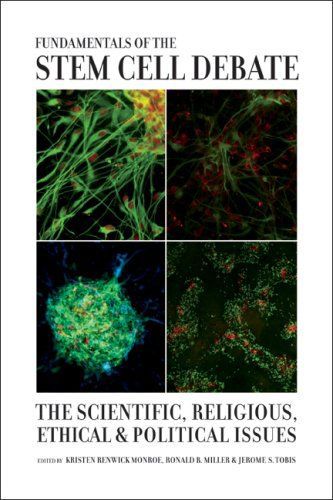
Few recent advances in science have generated as much excitement and controversy as human embryonic stem cells. The potential of these cells to replace diseased or damaged cells in virtually every tissue of the body heralds the advent of an extraordinary new field of medicine. Controversy arises, however, because current techniques required to harvest stem cells involve the destruction of the human blastocyst. This even-handed, lucidly written volume is an essential tool for understanding the complex issues–scientific, religious, ethical, and political–that currently fuel public debate about stem cell research. One of the few books to provide a comprehensive overview for a wide audience, the volume brings together leading scientists, ethicists, political scientists, and doctors to explain this new scientific development and explore its ramifications.
ما از اخلاق چه انتظاری داریم؟ این سوال شاید تاحدودی برای عموم مردم و یا متخصصان این رشته قابل پاسخ باشد؛ اینکه خوب بودن را به ما بیاموزد و در تنظیم روابط فردی م...

جشن کتاب تهران به ایستگاه سی و یکم رسیده است. حال و احوال نشر کتاب خوب نیست و باید فرهنگدوستان را به خرید و هدیه دادن کتاب ترغیب نمود. خانه اخلاقپژوهان جوان ب...

بنیاد کتابهای اخلاق اسلامی عمدتا پالایش جان از آلودگیها و آراستن آن به زیباییها است. اندیشه محوری این قبیل کتابها آن است که انسان فعلی آنی نیست که باید باشد...

-
0 Comments