Notice: تابع WP_Block_Type_Registry::register به طورنادرست فراخوانی شد. نامهای نوع بلوک نباید حروف بزرگ داشته باشند. لطفاً برای اطلاعات بیشتر، اشکال زدایی در وردپرس را مشاهده کنید. (این پیام در نگارش 5.0.0 افزوده شده است.) in /home/ethicsho/public_html/wp-includes/functions.php on line 5313
Warning: Use of undefined constant TDC_PATH_LEGACY - assumed 'TDC_PATH_LEGACY' (this will throw an Error in a future version of PHP) in /home/ethicsho/public_html/wp-content/plugins/td-composer/td-composer.php on line 109
Warning: Use of undefined constant TDSP_THEME_PATH - assumed 'TDSP_THEME_PATH' (this will throw an Error in a future version of PHP) in /home/ethicsho/public_html/wp-content/plugins/td-composer/td-composer.php on line 113 بایگانیهای 3153 - خانه اخلاق پژوهان جوان Notice: Trying to access array offset on value of type bool in /home/ethicsho/public_html/wp-content/plugins/wp-ulike/inc/general-functions.php on line 807
The final volume of Feinberg’s four-volume work, The Moral Limits of Criminal Law examines the philosophical basis for the criminalization of so-called “victimless crimes” such as ticket scalping, blackmail, consented-to exploitation of others, commercial fortune telling, and consensual sexual relations.
Examining the emergence and development of legal positivism as a distinctive and particularly powerful tradition in legal thought, this book places particular emphasis on its relationship to traditional understandings of the common law and on forms of idealism. The focus throughout is on the consequences positivism holds for the idea of the rule of law and of law’s role in maintaining (and perhaps creating) conditions of stable social order. The book examines the shifts in thinking about the rule of law and the wider significance of law, brought about by changing conceptions of the nature of law: from an understanding of law in which the primary focus is on rights, to an articulation of the legal order as a body of deliberately posited rules and, finally, to an understanding of law as a corpus of systematic rules and principles, underpinned by an abiding concern with individual rights.
“In this book, Michael Lynch argues that truth does matter, in both our personal and political lives. Lynch explains that the growing cynicism over truth stems in large part from our confusion over what truth is.” “True to Life defends four simple claims : that truth is objective; that it is good to believe what is true; that truth is a goal worthy of inquiry; and that truth can be worth caring about for its own sake – not just because it gets us other things we want. In defense of these “truisms about truth,” Lynch diagnoses the sources of our cynicism and argues that many contemporary theories of truth cannot adequately account for its value. He explains why we should care about truth, arguing that truth and its pursuit are part of living a happy life, important in our personal relationships and for our political values.”–BOOK JACKET.
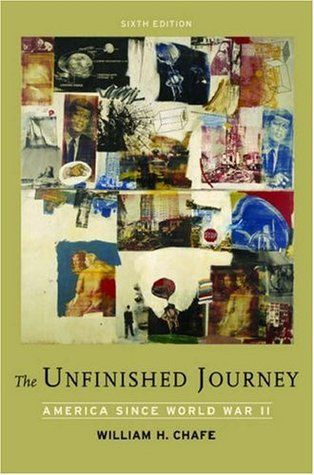
“This popular and classic text chronicles America’s roller-coaster journey through the decades since World War Two. Considering both the paradoxes and the possibilities of postwar America, William H. Chafe portrays the significant cultural and political themes that have colored our country’s past and present, including issues of race, class, gender, foreign policy, and economic and social reform. In this new edition, Chafe provides a nuanced yet unabashed assessment of George W. Bush’s presidency, covering his reelection, the saga of the Iraq War, and the administration’s response to the widespread devastation of Hurricane Katrina.”–BOOK JACKET.
ما از اخلاق چه انتظاری داریم؟ این سوال شاید تاحدودی برای عموم مردم و یا متخصصان این رشته قابل پاسخ باشد؛ اینکه خوب بودن را به ما بیاموزد و در تنظیم روابط فردی م...

جشن کتاب تهران به ایستگاه سی و یکم رسیده است. حال و احوال نشر کتاب خوب نیست و باید فرهنگدوستان را به خرید و هدیه دادن کتاب ترغیب نمود. خانه اخلاقپژوهان جوان ب...

بنیاد کتابهای اخلاق اسلامی عمدتا پالایش جان از آلودگیها و آراستن آن به زیباییها است. اندیشه محوری این قبیل کتابها آن است که انسان فعلی آنی نیست که باید باشد...

-
0 Comments