Notice: تابع WP_Block_Type_Registry::register به طورنادرست فراخوانی شد. نامهای نوع بلوک نباید حروف بزرگ داشته باشند. لطفاً برای اطلاعات بیشتر، اشکال زدایی در وردپرس را مشاهده کنید. (این پیام در نگارش 5.0.0 افزوده شده است.) in /home/ethicsho/public_html/wp-includes/functions.php on line 5313
Warning: Use of undefined constant TDC_PATH_LEGACY - assumed 'TDC_PATH_LEGACY' (this will throw an Error in a future version of PHP) in /home/ethicsho/public_html/wp-content/plugins/td-composer/td-composer.php on line 109
Warning: Use of undefined constant TDSP_THEME_PATH - assumed 'TDSP_THEME_PATH' (this will throw an Error in a future version of PHP) in /home/ethicsho/public_html/wp-content/plugins/td-composer/td-composer.php on line 113 بایگانیهای 3150 - خانه اخلاق پژوهان جوان Notice: Trying to access array offset on value of type bool in /home/ethicsho/public_html/wp-content/plugins/wp-ulike/inc/general-functions.php on line 807
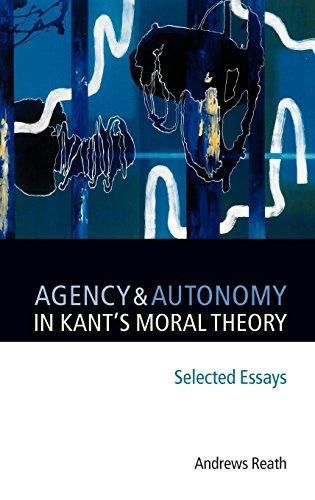
Andrews Reath presents a selection of his best essays on various features of Kant’s moral psychology and moral theory, with particular emphasis on his conception of rational agency and his conception of autonomy. Together the essays articulate Reath’s original approach to Kant’s views about human autonomy, which explains Kant’s belief that objective moral requirements are based on principles we choose for ourselves. With two new papers, and revised versions of several others, the volume will be of great interest to all students and scholars of Kant and of moral philosophy.
Willliam O. Stephens explores the moral philosophy of Epictetus and shows how, for Epictetus, happiness results from focusing our concern on what is up to us while not worrying about what is beyond our control. He concludes that the strength of Epictetus’ philosophy lies in his conception of happiness as freedom from fear, worry, grief, and dependence upon luck.
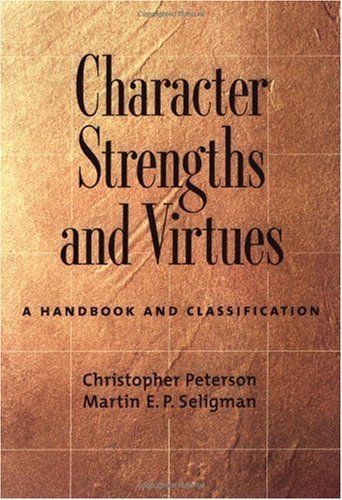
“Character” has become a front-and-center topic in contemporary discourse, but this term does not have a fixed meaning. Character may be simply defined by what someone does not do, but a more active and thorough definition is necessary, one that addresses certain vital questions. Is character a singular characteristic of an individual, or is it composed of different aspects? Does character–however we define it–exist in degrees, or is it simply something one happens to have? How can character be developed? Can it be learned? Relatedly, can it be taught, and who might be the most effective teacher? What roles are played by family, schools, the media, religion, and the larger culture? This groundbreaking handbook of character strengths and virtues is the first progress report from a prestigious group of researchers who have undertaken the systematic classification and measurement of widely valued positive traits. They approach good character in terms of separate strengths-authenticity, persistence, kindness, gratitude, hope, humor, and so on-each of which exists in degrees. Character Strengths and Virtues classifies twenty-four specific strengths under six broad virtues that consistently emerge across history and culture: wisdom, courage, humanity, justice, temperance, and transcendence. Each strength is thoroughly examined in its own chapter, with special attention to its meaning, explanation, measurement, causes, correlates, consequences, and development across the life span, as well as to strategies for its deliberate cultivation. This book demands the attention of anyone interested in psychology and what it can teach about the good life.
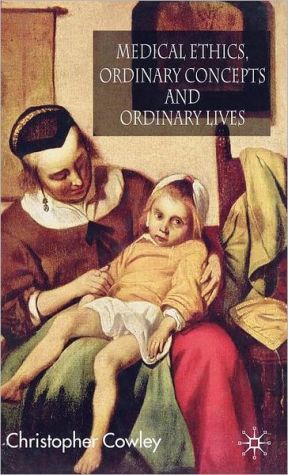
“The big issues of medical ethics are more in the news than ever before. And yet they remain as stubborn and often as incendiary as ever. This book claims that in an effort to deal with the issues, mainstream philosophers have arbitrarily omitted many ethically relevant features in order to reduce the central problems to more tractable technical puzzles. The most gratuitous omissions have been the patient’s point of view on the problem; the patient’s ordinary life, which provides the wider context for his point of view; and the ordinary language and concepts by which the patient tries to make sense of the problem.
ما از اخلاق چه انتظاری داریم؟ این سوال شاید تاحدودی برای عموم مردم و یا متخصصان این رشته قابل پاسخ باشد؛ اینکه خوب بودن را به ما بیاموزد و در تنظیم روابط فردی م...

جشن کتاب تهران به ایستگاه سی و یکم رسیده است. حال و احوال نشر کتاب خوب نیست و باید فرهنگدوستان را به خرید و هدیه دادن کتاب ترغیب نمود. خانه اخلاقپژوهان جوان ب...

بنیاد کتابهای اخلاق اسلامی عمدتا پالایش جان از آلودگیها و آراستن آن به زیباییها است. اندیشه محوری این قبیل کتابها آن است که انسان فعلی آنی نیست که باید باشد...

-
0 Comments