Notice: تابع WP_Block_Type_Registry::register به طورنادرست فراخوانی شد. نامهای نوع بلوک نباید حروف بزرگ داشته باشند. لطفاً برای اطلاعات بیشتر، اشکال زدایی در وردپرس را مشاهده کنید. (این پیام در نگارش 5.0.0 افزوده شده است.) in /home/ethicsho/public_html/wp-includes/functions.php on line 5313
Warning: Use of undefined constant TDC_PATH_LEGACY - assumed 'TDC_PATH_LEGACY' (this will throw an Error in a future version of PHP) in /home/ethicsho/public_html/wp-content/plugins/td-composer/td-composer.php on line 109
Warning: Use of undefined constant TDSP_THEME_PATH - assumed 'TDSP_THEME_PATH' (this will throw an Error in a future version of PHP) in /home/ethicsho/public_html/wp-content/plugins/td-composer/td-composer.php on line 113 بایگانیهای 3069 - خانه اخلاق پژوهان جوان Notice: Trying to access array offset on value of type bool in /home/ethicsho/public_html/wp-content/plugins/wp-ulike/inc/general-functions.php on line 807
In THE CRITIQUE OF JUDGMENT (1790), Immanuel Kant (1724-1804) seeks to establish the a priori principles underlying the faculty of judgement, just as he did in his previous critiques of pure and practical reason. The first part deals with the subject of our aesthetic sensibility; we respond to certain natural phenomena as beautiful, says Kant, when we recognise in nature a harmonious order that satisfies the mind’s own need for order. The second half of the critique concentrates on the apparent teleology in nature’s design of organisms. Kant argues that our minds are inclined to see purpose and order in nature and this is the main principle underlying all of our judgements. Although this might imply a super sensible Designer, Kant insists that we cannot prove a supernatural dimension or the existence of God. Such considerations are beyond reason and are solely the province of faith.
Study ethics from a classic ethics text, written by one of contemporary philosophy’s most skilled teachers, Louis P. Pojman, now revised by best-selling author and editor of the INTERNET ENCYCLOPEDIA OF PHILOSOPHY, James Fieser. ETHICS: DISCOVERING RIGHT AND WRONG, Seventh Edition, offers a concise yet comprehensive overview of the fundamental objectives and outlooks of ethical theory. Written with Pojman’s hallmark engaging, conversational manner with strong supporting pedagogy, this book challenges students to develop their own moral theories and to reason through ethical problems for themselves. The text even-handedly raises critical questions and fosters independent thinking within a rigorous presentation that draws numerous examples from both classical and contemporary sources. This edition maintains the text’s clarity and strengths with its non-dogmatic style and generous presentation of various positions. This revision includes more feminist and multicultural ethical perspectives.
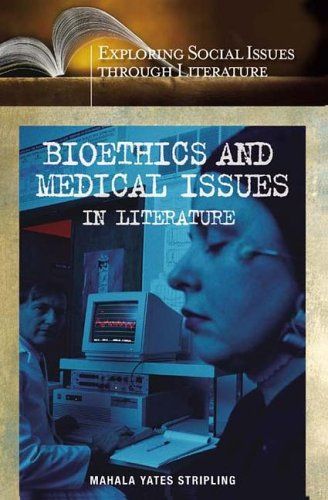
A timely investigation of the interplay between literature and medical ethics, this book ponders AIDS, stem cell research and other topics through such works as Frankenstein, Brave New World, and One Flew over the Cuckoo’s Nest.
ما از اخلاق چه انتظاری داریم؟ این سوال شاید تاحدودی برای عموم مردم و یا متخصصان این رشته قابل پاسخ باشد؛ اینکه خوب بودن را به ما بیاموزد و در تنظیم روابط فردی م...

جشن کتاب تهران به ایستگاه سی و یکم رسیده است. حال و احوال نشر کتاب خوب نیست و باید فرهنگدوستان را به خرید و هدیه دادن کتاب ترغیب نمود. خانه اخلاقپژوهان جوان ب...

بنیاد کتابهای اخلاق اسلامی عمدتا پالایش جان از آلودگیها و آراستن آن به زیباییها است. اندیشه محوری این قبیل کتابها آن است که انسان فعلی آنی نیست که باید باشد...

-
0 Comments