Notice: تابع WP_Block_Type_Registry::register به طورنادرست فراخوانی شد. نامهای نوع بلوک نباید حروف بزرگ داشته باشند. لطفاً برای اطلاعات بیشتر، اشکال زدایی در وردپرس را مشاهده کنید. (این پیام در نگارش 5.0.0 افزوده شده است.) in /home/ethicsho/public_html/wp-includes/functions.php on line 5313
Warning: Use of undefined constant TDC_PATH_LEGACY - assumed 'TDC_PATH_LEGACY' (this will throw an Error in a future version of PHP) in /home/ethicsho/public_html/wp-content/plugins/td-composer/td-composer.php on line 109
Warning: Use of undefined constant TDSP_THEME_PATH - assumed 'TDSP_THEME_PATH' (this will throw an Error in a future version of PHP) in /home/ethicsho/public_html/wp-content/plugins/td-composer/td-composer.php on line 113 بایگانیهای 3059 - خانه اخلاق پژوهان جوان Notice: Trying to access array offset on value of type bool in /home/ethicsho/public_html/wp-content/plugins/wp-ulike/inc/general-functions.php on line 807
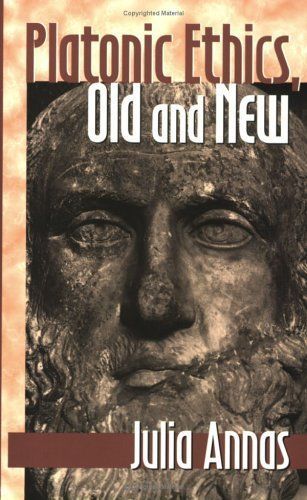
Offers a fundamental reexamination of Plato’s ethical thought, highlighting the differences between ancient & modern assumptions & stressing the need to be critical about our own.
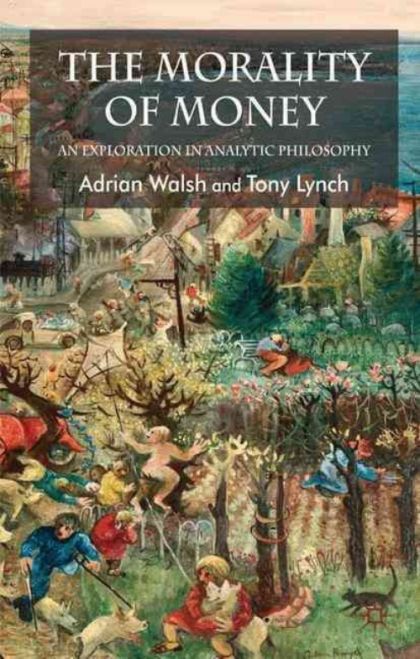
The morality of sex, violence and money is at the centre of much human life. While the first two have been subject to intensive historical and philosophical investigation, the latter has largely been neglected. The authors provide the first comprehensive introduction to the morality of money.
This non-technical introduction to ethics explores how we find true or reasonable moral principles, applicable to current concerns and issues. The reader is presented with seven radically different basic moral theories. Each theory attempts to provide an ultimate answer to the question of what ought to be done and why. Each theory is carefully described, put into historical perspective and critically assessed. The theories covered are: utilitarianism, egoism, deontological ethics, the ethics of rights, virtue ethics, feminist ethics, environmental or ecological ethics.
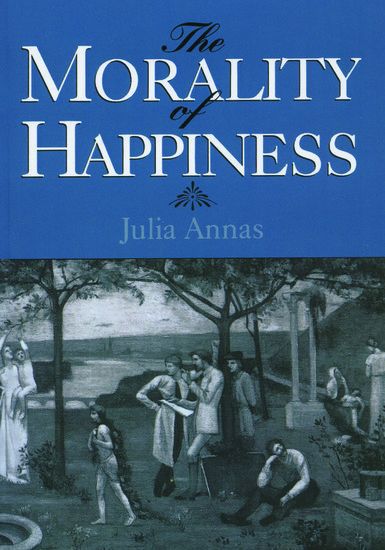
Ancient ethical theories, based on the notions of virtue and happiness, have struck many as an attractive alternative to modern theories. But we cannot find out whether this is true until we understand ancient ethics–and to do this we need to examine the basic structure of ancient ethical theory, not just the details of one or two theories. In this book, Annas brings together the results of a wide-ranging study of ancient ethical philosophy and presents it in a way that is easily accessible to anyone with an interest in ancient or modern ethics. She examines the fundamental notions of happiness and virtue, the role of nature in ethical justification and the relation between concern for self and concern for others. Her careful examination of the ancient debates and arguments shows that many widespread assumptions about ancient ethics are quite mistaken. Ancient ethical theories are not egoistic, and do not depend for their acceptance on metaphysical theories of a teleological kind. Most centrally, they are recognizably theories of morality, and the ancient disputes about the place of virtue in happiness can be seen as akin to modern disputes about the demands of morality.
ما از اخلاق چه انتظاری داریم؟ این سوال شاید تاحدودی برای عموم مردم و یا متخصصان این رشته قابل پاسخ باشد؛ اینکه خوب بودن را به ما بیاموزد و در تنظیم روابط فردی م...

جشن کتاب تهران به ایستگاه سی و یکم رسیده است. حال و احوال نشر کتاب خوب نیست و باید فرهنگدوستان را به خرید و هدیه دادن کتاب ترغیب نمود. خانه اخلاقپژوهان جوان ب...

بنیاد کتابهای اخلاق اسلامی عمدتا پالایش جان از آلودگیها و آراستن آن به زیباییها است. اندیشه محوری این قبیل کتابها آن است که انسان فعلی آنی نیست که باید باشد...

-
0 Comments